Medications
Differin Gel | A 3rd-Generation Retinoid Ointment Proven for Low Irritation
Table of Contents
1. What is Differin Gel?
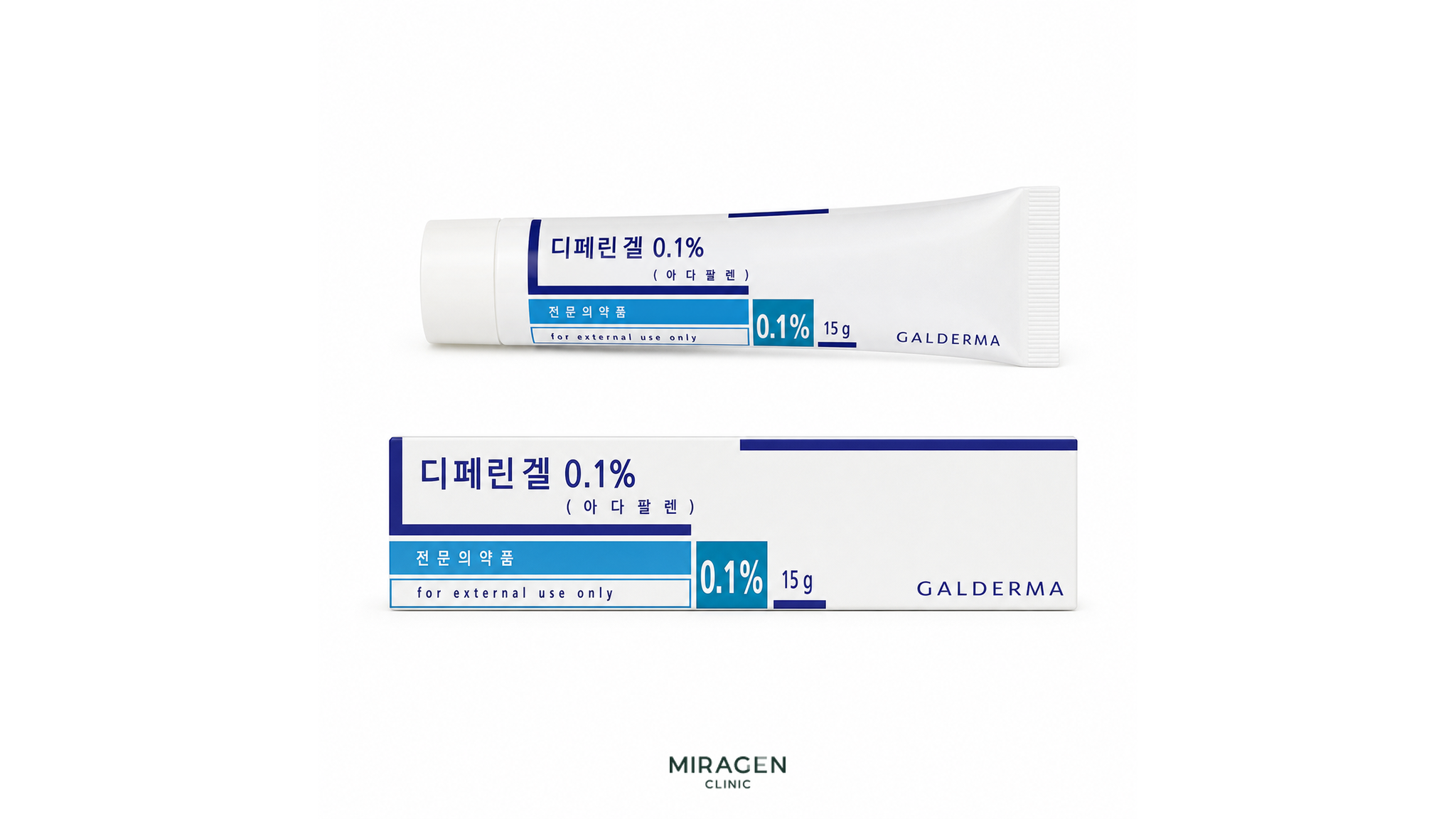
Differin Gel is a third-generation retinoid ointment containing 0.1% adapalene. It normalizes keratinization within pores and reduces inflammatory responses to decrease both comedones and inflammatory acne.1,2,3
The greatest advantage of Differin is that it is less irritating. Data from five randomized trials involving a total of 900 patients comparing Differin Gel with 0.025% tretinoin gel (1st generation) concluded that while the efficacy in reducing acne lesions was similar, Differin Gel caused less skin irritation.4
2. How does it work?
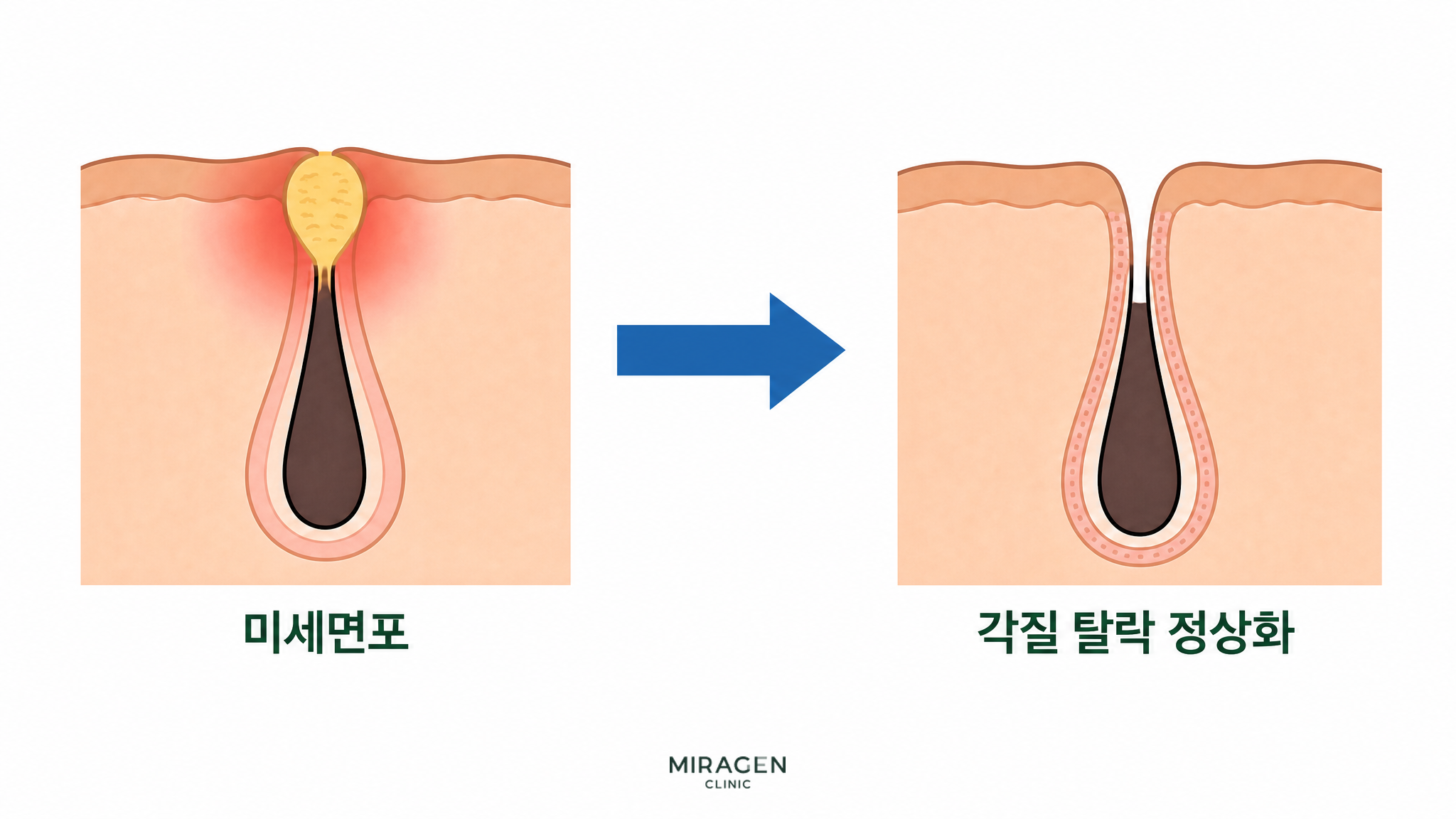
Acne begins when invisible microcomedones form inside the pores.5 Adapalene normalizes keratinization within the pores to reduce microcomedones and lowers inflammatory responses to simultaneously reduce inflammatory acne.3
A clear effect on reducing sebum secretion in humans has not been confirmed. While studies using hamster sebocytes showed a reduction in lipid synthesis and accumulation, results on actual human faces vary by area, making it difficult to view Differin Gel as a medication that reduces sebum secretion.6,7
3. Differences from Aklief
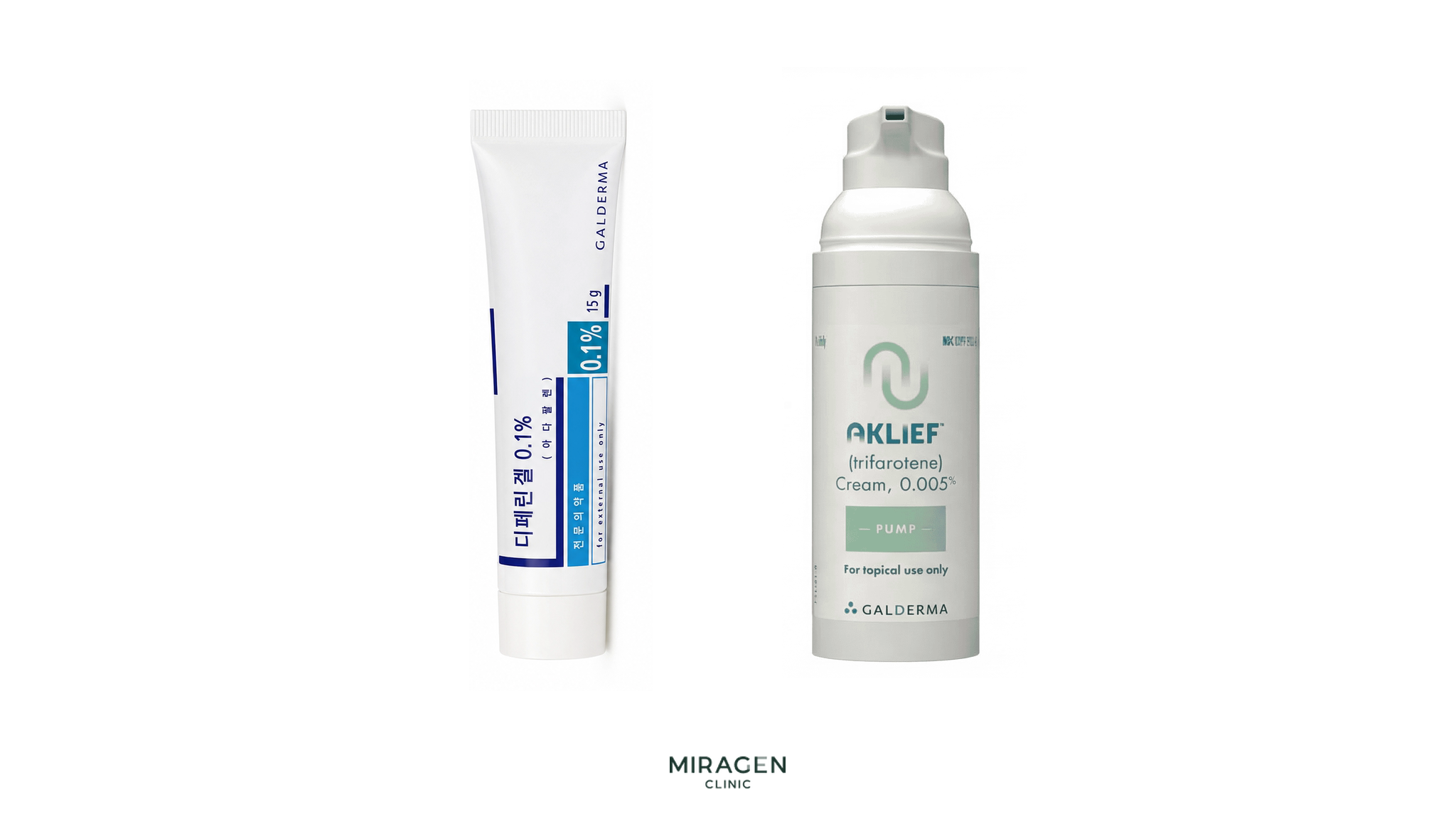
Aklief, a fourth-generation retinoid ointment, is a cream containing 0.005% trifarotene that selectively binds to RAR-γ, the most abundant retinoid receptor in the skin.2,8 In contrast, the third-generation Differin Gel is a 0.1% adapalene gel that binds not only to RAR-γ but also to RAR-β, which is widely distributed in areas other than the skin.2,3 Therefore, Aklief is expected to have less impact on other tissues than Differin, even if absorbed systemically.8
However, what is actually important is not the systemic effect. This is because the limiting factor for topical retinoid treatment is dermatitis, not systemic impact.2
In this regard, Differin Gel has much stronger evidence than Aklief. Differin Gel 0.1% was proven through direct comparative studies to be less irritating to the skin than 0.025% tretinoin gel (1st generation), whereas there are no studies yet proving that Aklief is less irritating than 1st or 3rd generation retinoids.4,8,9
4. Precautions against dermatitis
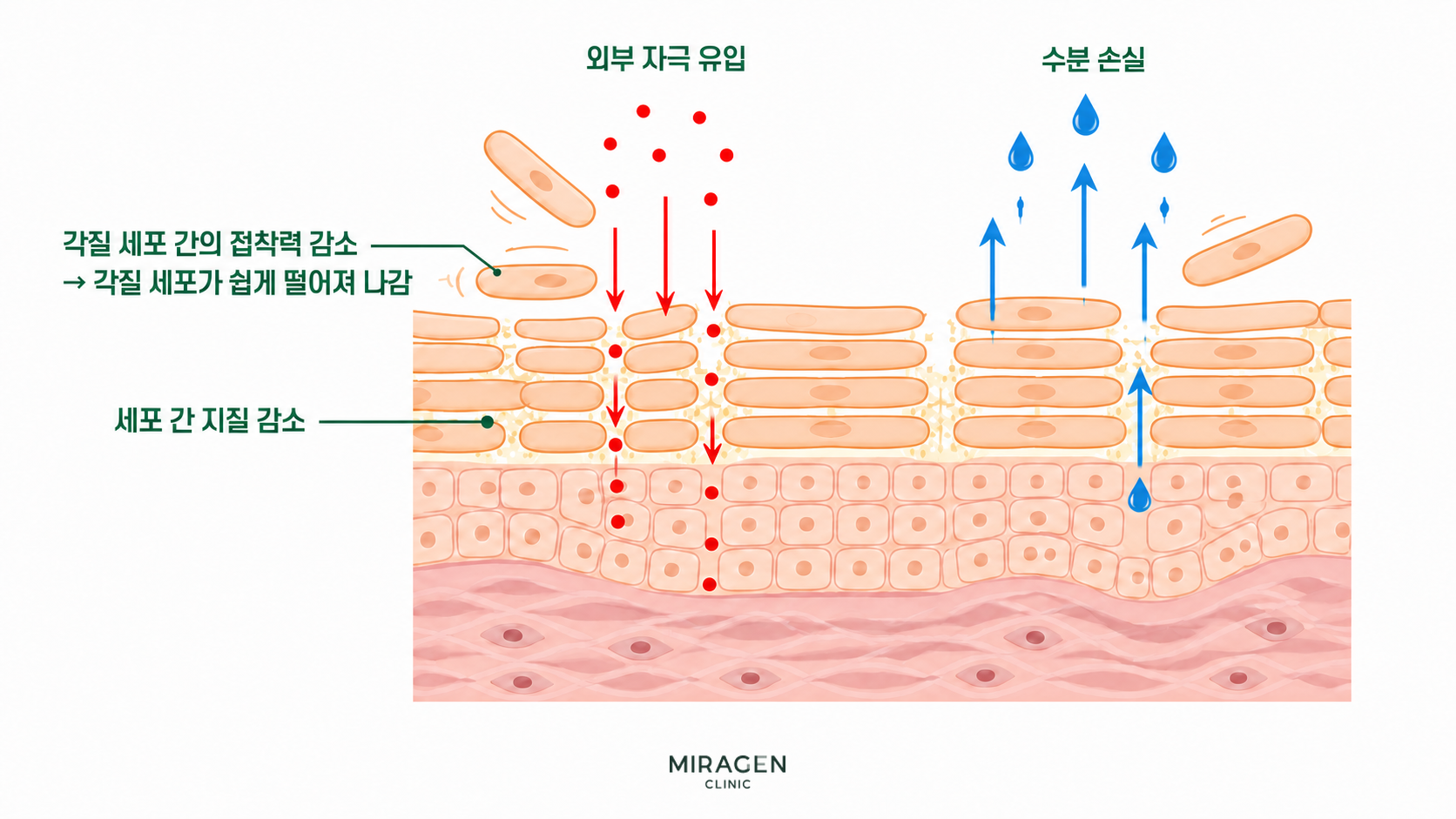
Topical retinoids weaken the bonds between keratinocytes and also cause changes in the lipids that fill the spaces between cells, thereby weakening the skin barrier. When the skin barrier is weakened, it becomes vulnerable to external irritants and more prone to dermatitis.10,11,12
Additionally, inflammation-inducing signals increase, which can lead to redness, flaking, dryness, and stinging.13
Although less so than 1st generation retinoids, finding the minimum effective dose is key with Differin due to these side effects.4
5. Oral retinoids are recommended first
Based on clinical experience, if you start Differin Gel after reducing pore clogging with oral retinoids like Isotinoin, acne tends to be controlled with a smaller amount of the gel.
This is presumed to be because Differin Gel reaches the inside of the pores more effectively when clogging is reduced.
You can learn more about oral retinoids on the Isotynoin page.
6. How to Use
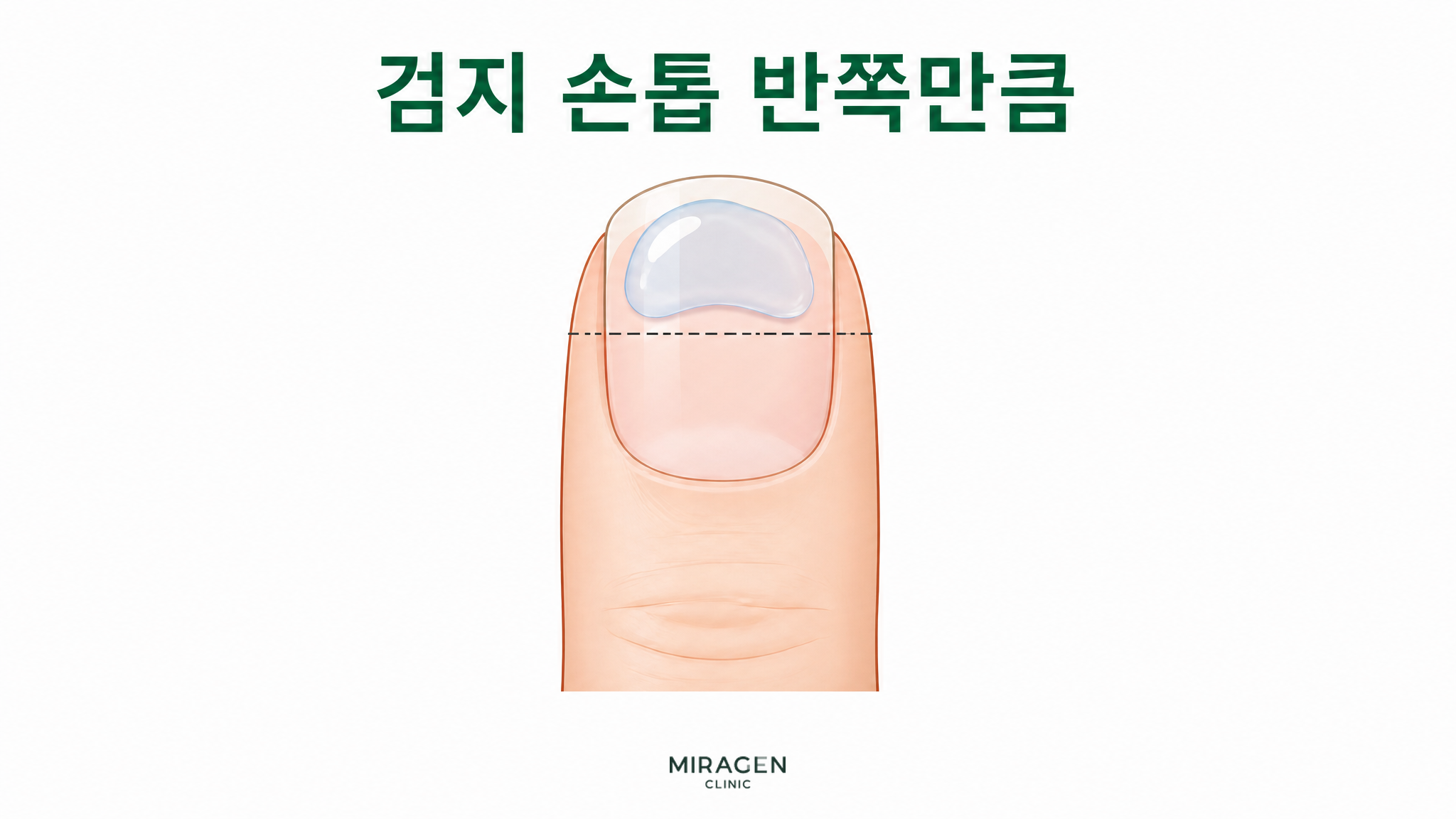
- Squeeze an amount of Differin Gel about the size of half a fingernail, mix it with a moisturizer, and apply a thin layer over the entire face, avoiding the eyes and mouth. The reason for mixing with a moisturizer is to start with such a small amount that it would be impossible to spread across the entire face otherwise.
- For the first 2 weeks, apply once every 3 days in the evening and observe your skin’s reaction.
- If your skin becomes red, stings, or itches after use, reduce the amount. If there is no irritation but acne is not sufficiently controlled, gradually increase the frequency to a maximum of once a day.1
7. Pregnancy · breastfeeding
Due to limited data on safety during pregnancy, it cannot be used if you are pregnant or planning to become pregnant. If you discover you are pregnant while using it, you must stop immediately.1
Caution is required during breastfeeding. Although it has not been confirmed that topically applied medication is transferred to the infant through breast milk, safety in such cases has not been verified. If used while breastfeeding, do not apply it to the chest and ensure the infant does not come into contact with the treated skin.1
References
- Korea Pharmaceutical Information Center. Differin Gel 0.1% Drug Information.
- Baldwin H, Webster G, Stein Gold L, et al. 50 Years of Topical Retinoids for Acne: Evolution of Treatment. Am J Clin Dermatol. 2021;22(3):315-327. PMID: 33871811.
- Michel S, Jomard A, Demarchez M. Pharmacology of adapalene. Br J Dermatol. 1998;139 Suppl 52:3-7. PMID: 9990413.
- Cunliffe WJ, Poncet M, Loesche C, Verschoore M. A comparison of the efficacy and tolerability of adapalene 0.1% gel versus tretinoin 0.025% gel in patients with acne vulgaris: a meta-analysis of five randomized trials. Br J Dermatol. 1998;139 Suppl 52:48-56. PMID: 9990421.
- Thielitz A, Sidou F, Gollnick H. Control of microcomedone formation throughout a maintenance treatment with adapalene gel, 0.1%. J Eur Acad Dermatol Venereol. 2007;21(6):747-753. PMID: 17567301.
- Sato T, Akimoto N, Kitamura K, et al. Adapalene suppresses sebum accumulation via the inhibition of triacylglycerol biosynthesis and perilipin expression in differentiated hamster sebocytes in vitro. J Dermatol Sci. 2013;70(3):204-210. PMID: 23473858.
- Stinco G, Bragadin G, Trotter D, Pillon B, Patrone P. Relationship between sebostatic activity, tolerability and efficacy of three topical drugs to treat mild to moderate acne. J Eur Acad Dermatol Venereol. 2007;21(3):320-325. PMID: 17309452.
- U.S. National Library of Medicine. DailyMed: AKLIEF (trifarotene) cream prescribing information. Updated September 16, 2024.
- Thai Clinical Trials Registry. TCTR20260127006. A pilot randomized double-blinded split-face study to evaluate the efficacy of 0.005% trifarotene cream versus 0.1% adapalene gel in the treatment of mild to moderate acne vulgaris.
- Kim MY, Lee SE, Chang JY, et al. Retinoid Induces the Degradation of Corneodesmosomes and Downregulation of Corneodesmosomal Cadherins: Implications on the Mechanism of Retinoid-induced Desquamation. Ann Dermatol. 2011;23(4):439-447. PMID: 22148010.
- Li J, Li Q, Geng S. All‑trans retinoic acid alters the expression of the tight junction proteins Claudin‑1 and ‑4 and epidermal barrier function‑associated genes in the epidermis. Int J Mol Med. 2019;43(4):1789-1805. PMID: 30816426.
- Lee DD, Stojadinovic O, Krzyzanowska A, Vouthounis C, Blumenberg M, Tomic-Canic M. Retinoid-responsive transcriptional changes in epidermal keratinocytes. J Cell Physiol. 2009;220(2):427-439. PMID: 19388012.
- Kim BH, Lee YS, Kang KS. The mechanism of retinol-induced irritation and its application to anti-irritant development. Toxicol Lett. 2003;146(1):65-73. PMID: 14615068.
- Brand B, Gilbert R, Baker MD, et al. Cumulative irritancy potential of adapalene cream 0.1% compared with adapalene gel 0.1% and several tretinoin formulations. Cutis. 2003;72(6):455-458. PMID: 14700217.
Frequently Asked Questions
Is Differin Gel less irritating than Aklief?
There are no direct comparison results between Differin Gel and Aklief yet.9 However, Differin Gel has direct comparison results showing it was less irritating than 0.025% tretinoin gel,4 whereas Aklief’s approval studies did not include a tretinoin control group.8 Due to this difference in evidence, Differin Gel is preferred for patients sensitive to irritation.
Is Differin Cream less irritating than the gel?
It has not been definitively proven to be less irritating. In cumulative irritation tests involving occlusive application to the back skin of healthy adults, the irritation of both formulations was similar, but this is not a basis for judging the difference when actually used on the face.14
Can acne flare up more initially?
Cases of increased lesions during the early stages of use have been rarely reported, but it is unclear if this is due to the medication. If new lesions increase, do not simply dismiss it as an adaptation process; instead, re-verify the frequency of use and the presence of dermatitis during a consultation.1
Can I apply it with a moisturizer?
Yes, you can. If your skin is sensitive, apply a thin layer of Differin Gel mixed with a moisturizer over the entire face. Applying a small amount evenly can also reduce dryness and stinging.
Is it a medication that reduces sebum?
Can I apply it during the day?
Differin Gel should be applied before bedtime. Since the skin may become more sensitive to sunlight during use, use sunscreen during the day.1


