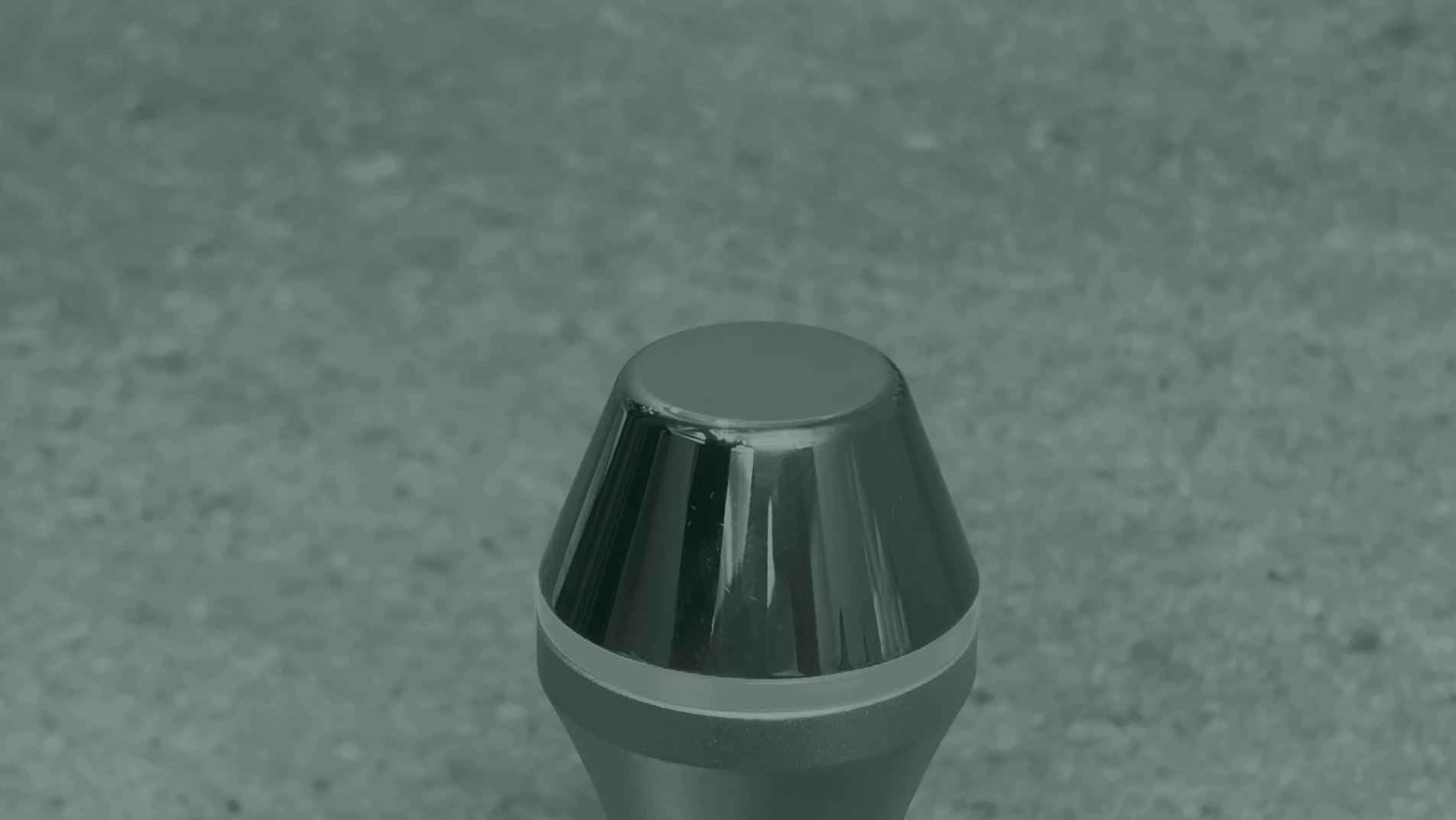
What is Liragen Sono?
Liragen Sono is a treatment that applies the wound dressing Skincellon and uses ultrasound to protect damaged skin and thereby support recovery of the skin barrier.
The wound dressing is Skincellon, which contains EGF, bFGF, and PN. Of the many wound dressings we have used at our clinic, it is the only product for which we have seen no cases of contact dermatitis despite using more than 1,000 units.
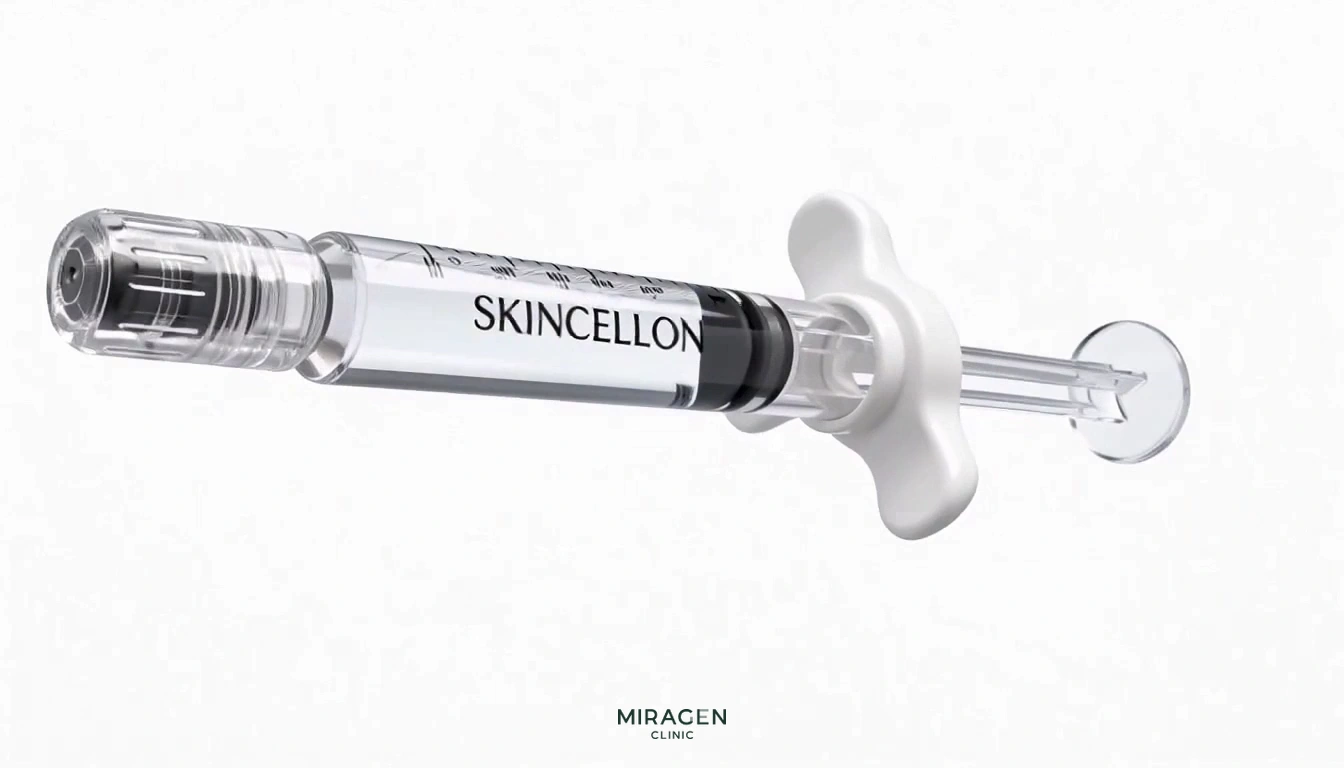
Learn more about Skincellon's ingredients and role
Why barrier recovery matters
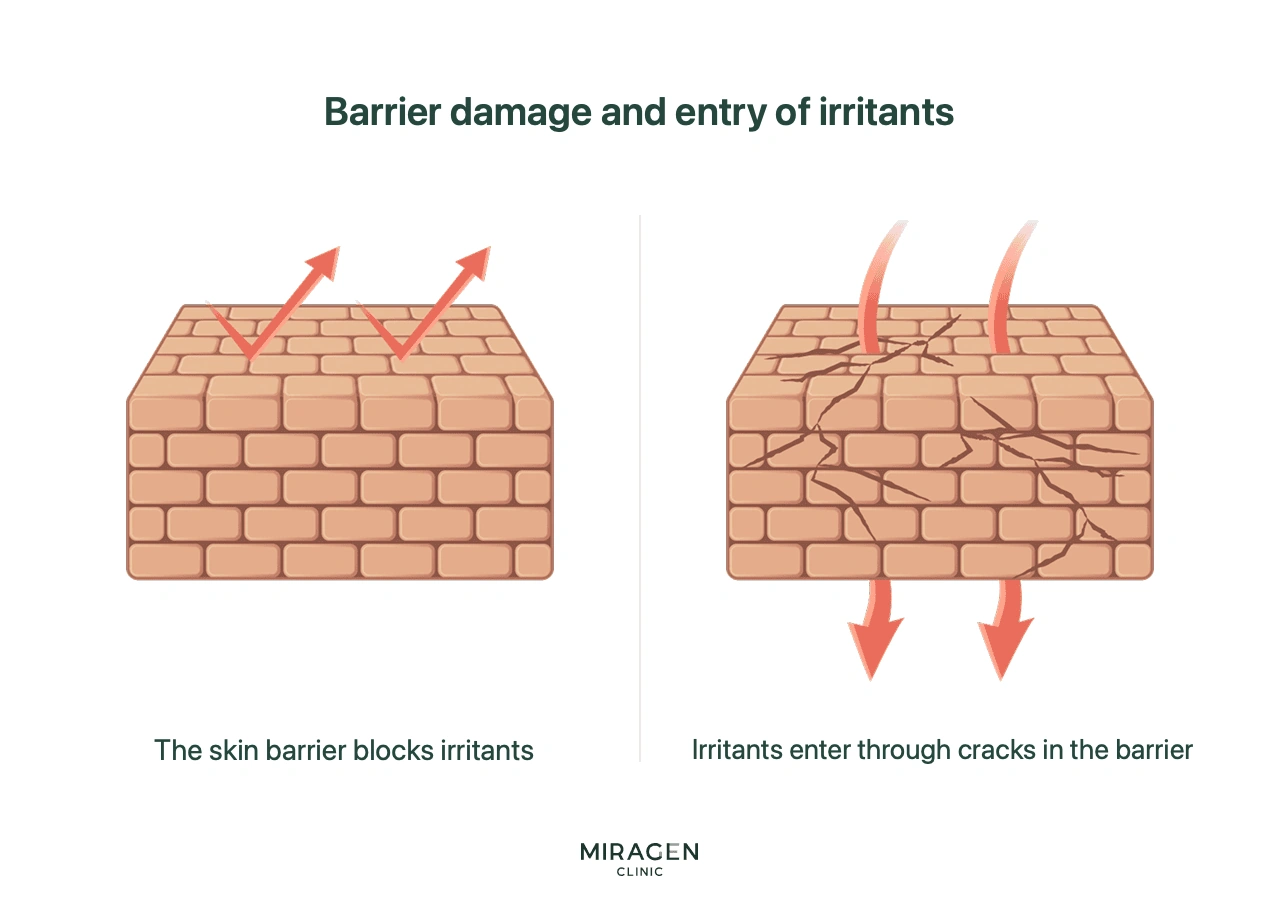
The skin barrier reduces moisture loss and protects the skin from external irritants.
When the barrier is weak, even everyday irritants can easily cause inflammation. This is why barrier recovery matters in treating dermatitis.
EGF and bFGF in barrier recovery
EGF and bFGF are growth factors involved in the recovery of damaged skin.
Liragen Sono aims to protect damaged skin with a wound dressing and thereby support recovery of the skin barrier.
Cost and treatment time
KRW 250,000 per session
VAT included · South Korean private medical expense insurance claims are possible when treating dermatitis · Approximately 40 minutes
+ Excel V: KRW 100,000
An additional option to improve telangiectasia accompanying dermatitis · Not eligible for private medical expense insurance claims
Frequently asked questions
Can I receive treatment on the day of my first visit?
Yes, it is possible. If you would like treatment on your first visit, please let us know in advance when asking about an appointment via LINE.
How often is treatment given, and how many sessions are needed to see improvement?
Treatment is generally given once a week.
Going beyond a week does not greatly affect progress, but it is best to avoid intervals longer than two weeks if possible.
Most patients begin to notice improvement within two or three treatments at the latest.
Treatment usually ends after five to ten sessions.
Can I receive treatment if my symptoms are very severe?
Generally, the more severe the symptoms, the better they respond to treatment.
Does it hurt?
There is almost no pain.
Will my skin become red after treatment?
This rarely happens. In the exceptional cases when redness occurs, it usually subsides within a day.
If Excel V is performed as well, there may be some redness or scabbing.
Is makeup prohibited after treatment?
No, makeup is not prohibited. However, patients with dermatitis often have a weak skin barrier, and even moisturizer or sunscreen may be absorbed excessively and cause inflammation.
Because the skin barrier does not recover well while inflammation is present, it is best to avoid makeup during treatment if possible.
Do I have to abstain from alcohol after treatment?
No. However, alcohol can worsen inflammation throughout the body and increase the flow of blood and immune cells to the skin, which may aggravate skin inflammation in particular.
Because the skin barrier does not recover well while inflammation is present, it is best to avoid alcohol during treatment if possible.
Why should I avoid hot baths, saunas, strenuous exercise, and spicy food?
These increase blood flow to the skin and bring more immune cells with it, which may worsen skin inflammation.
Can I claim the cost through private medical expense insurance?
Yes, because this is treatment. Dermatitis is covered by most private medical expense insurance policies, and Skincellon is used according to its purpose registered with the Korean Ministry of Food and Drug Safety.
Claims are therefore usually paid without difficulty. In rare cases, however, an insurer may refuse payment on the grounds that Skincellon is covered only when there is exudate.
In those cases, we have usually resolved the issue by explaining that Skincellon's intended use is to “form a physical film when applied to skin with a damaged barrier, maintaining moisture in the skin environment to protect the skin,” and that its approval is not limited to cases with exudate.
Aftercare
1. Cleansing
- Wash your face as usual in the morning and evening.
- If you are exposed to sweat, dust, or pollen, wash it off as soon as possible.
2. Mist
Preparation and storage
- Pour one and a half bottles of sterile distilled water into the mist container.
- It contains no preservatives, so use it within a week of mixing if possible.
- Do not use it if the liquid becomes cloudy or develops an odor.
How to use it
- At least morning and evening (and more often if possible), spray the mist about five times, then cover the area with plastic wrap for 30 minutes to one hour.
If it itches, stings, or becomes red after use
- Plastic wrap helps more, but it can raise the skin surface temperature and stimulate heat sensors, causing itching, stinging, or redness.
- If symptoms are severe, place an ice pack over the wrap or use a fan.
- If symptoms still worsen, spray the mist without using plastic wrap.
- If spraying the mist alone worsens symptoms, send photos to the clinic.
3. Moisturizer and ointment
- After using the mist, apply moisturizer and ointment in the order sent to you on KakaoTalk.
- You do not need to wait between applications.
- If we have told you to stop using moisturizer, please do not use it.
4. Daily precautions
- During treatment, tell us at your next visit if you change any product that touches your skin, such as cleanser, moisturizer, sunscreen, shampoo, conditioner, detergent, fabric softener, or perfume.
- Cosmetics: If possible, use only cleanser and the prescribed ointment and moisturizer. Avoid toner, ampoules, sunscreen, and makeup.
- Clear irritants: If you know that certain foods or dust worsen your symptoms, or that hot baths, saunas, strenuous exercise, spicy food, alcohol, or smoking do so, avoid them if possible.