When asking patients visiting for dermatitis about the ointments they have used, Bepanthen is mentioned very frequently. As it is an over-the-counter (OTC) drug, it is easily accessible, and many people seem to try it with a light heart because it contains no steroids.
As many believe, dexpanthenol, the main ingredient in Bepanthen ointment, is indeed a well-researched and safe component. However, it is important to be aware that the additive lanolin can cause issues.
I will explain the principles of how dexpanthenol benefits the skin and why lanolin can be problematic for some patients.

| Category | Ingredients | Role |
|---|---|---|
| Main Ingredient | Dexpanthenol 5% | Skin barrier recovery · Moisture retention · Promotion of wound healing |
| Additives | Purified lanolin, white beeswax, cetyl alcohol, stearyl alcohol, liquid paraffin, purified almond oil, soft paraffin, Protegin X, purified water | Vehicle for ointment texture, spreadability, and preservation |
Why is Dexpanthenol Good for the Skin?
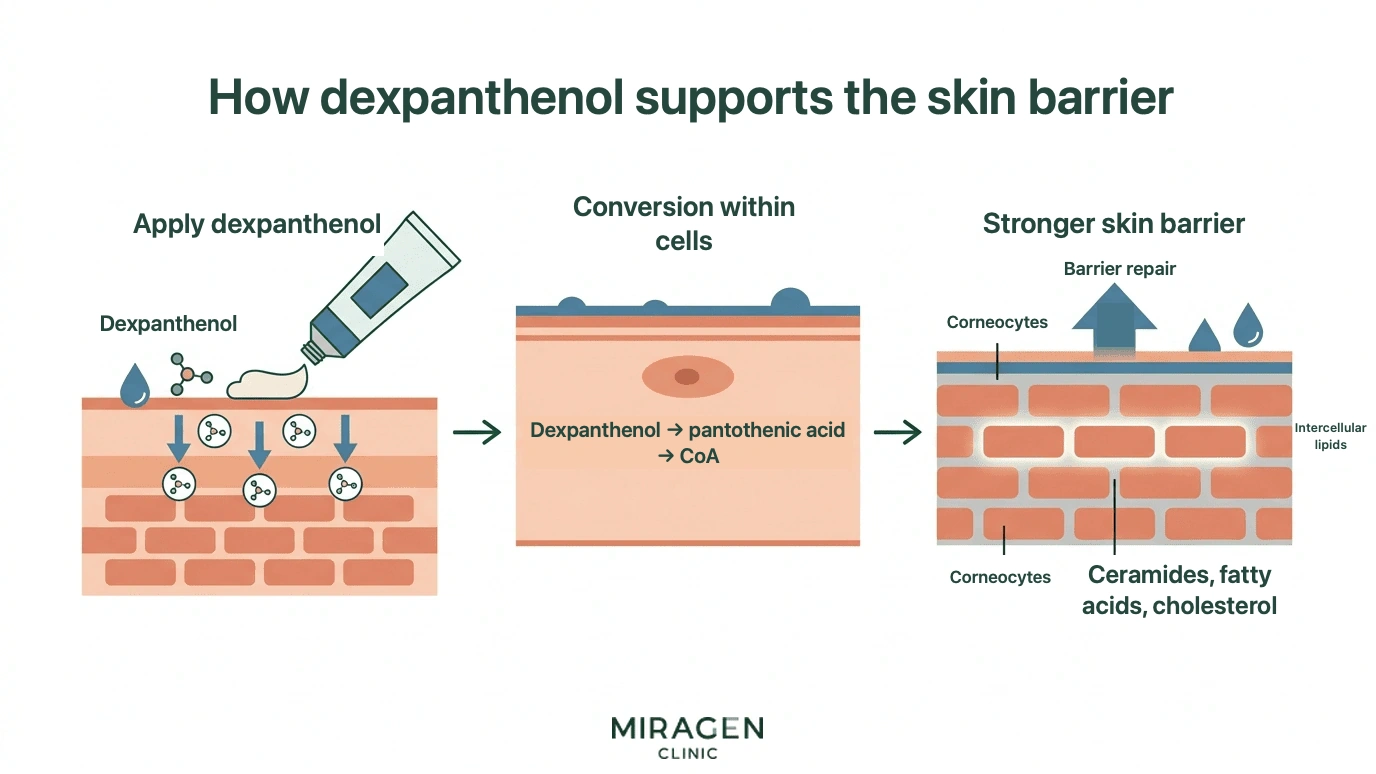
Dexpanthenol is provitamin B5, the stabilized alcohol form of pantothenic acid. When applied to the skin, it is converted into pantothenic acid within the cells, and this pantothenic acid becomes a key component of Coenzyme A (CoA).1
The skin barrier is often compared to a ‘bricks and mortar’ structure; if keratinocytes are the bricks, the lipid bilayer (ceramides, fatty acids, cholesterol) filling the gaps is the mortar. CoA is essential for the enzymatic reactions that catalyze the synthesis of fatty acids and sphingolipids, which are the raw materials for this mortar.1 In other words, applying dexpanthenol facilitates the supply of raw materials for the skin to repair its own barrier.
This principle is also confirmed in actual clinical studies. In a randomized controlled trial by Proksch and Nissen, applying dexpanthenol cream to skin artificially damaged with a detergent (SLS) resulted in significantly faster skin barrier recovery, reduced transepidermal water loss (TEWL), and decreased erythema compared to the side where only the vehicle was applied.2 The effect of promoting wound healing by activating fibroblast proliferation has also been confirmed in both in vitro and animal experiments.1
In summary, dexpanthenol is not just a simple moisturizer. It directly increases the components of the skin barrier and promotes the regeneration of damaged tissue. A consensus review by Korean dermatological experts also recommended dexpanthenol for maintenance treatment of mild to moderate atopic dermatitis and as a steroid-sparing strategy.3
Bepanthen Ointment vs. Steroid Ointments
The biggest reason people look for Bepanthen ointment is that it does not contain steroids. So, can Bepanthen ointment replace steroid ointments?
There is an interesting study. It was a comparative trial involving 30 pediatric patients with atopic dermatitis, where 5% dexpanthenol ointment was applied to one side of the body and 1% hydrocortisone ointment to the other for 4 weeks. Consequently, there was no significant difference in the reduction of SCORAD (Scoring Atopic Dermatitis) scores between the two sides.4
However, the 1% hydrocortisone used for comparison in this study belongs to Class 7, the weakest among steroid ointments. It cannot be compared to the medium-strength or potent steroids used for moderate to severe dermatitis. Furthermore, caution is needed in interpretation as it was a pilot study with only 30 participants.
Personally, I believe Bepanthen ointment is a good product for supplementary use in situations like very mild skin irritation, dryness, or diaper rash. However, for the reasons discussed in the next section, I would not recommend it in cases of severe active dermatitis.
The Additive Lanolin: What is the Problem?
This is the core of this article. Dexpanthenol itself, the main ingredient of Bepanthen ointment, has a very low risk of sensitization (the ability to cause an allergic reaction).1 The problem lies in the additives that make up the ointment’s vehicle, specifically ‘purified lanolin (lanolin).’
What is Lanolin?
Lanolin is a natural fat extracted from sheep’s wool. Due to its excellent moisturizing properties, it is used in numerous products such as ointments, creams, lip balms, and nipple creams. It very rarely causes irritation on healthy skin. For this reason, it has long been considered a ‘safe natural ingredient.’
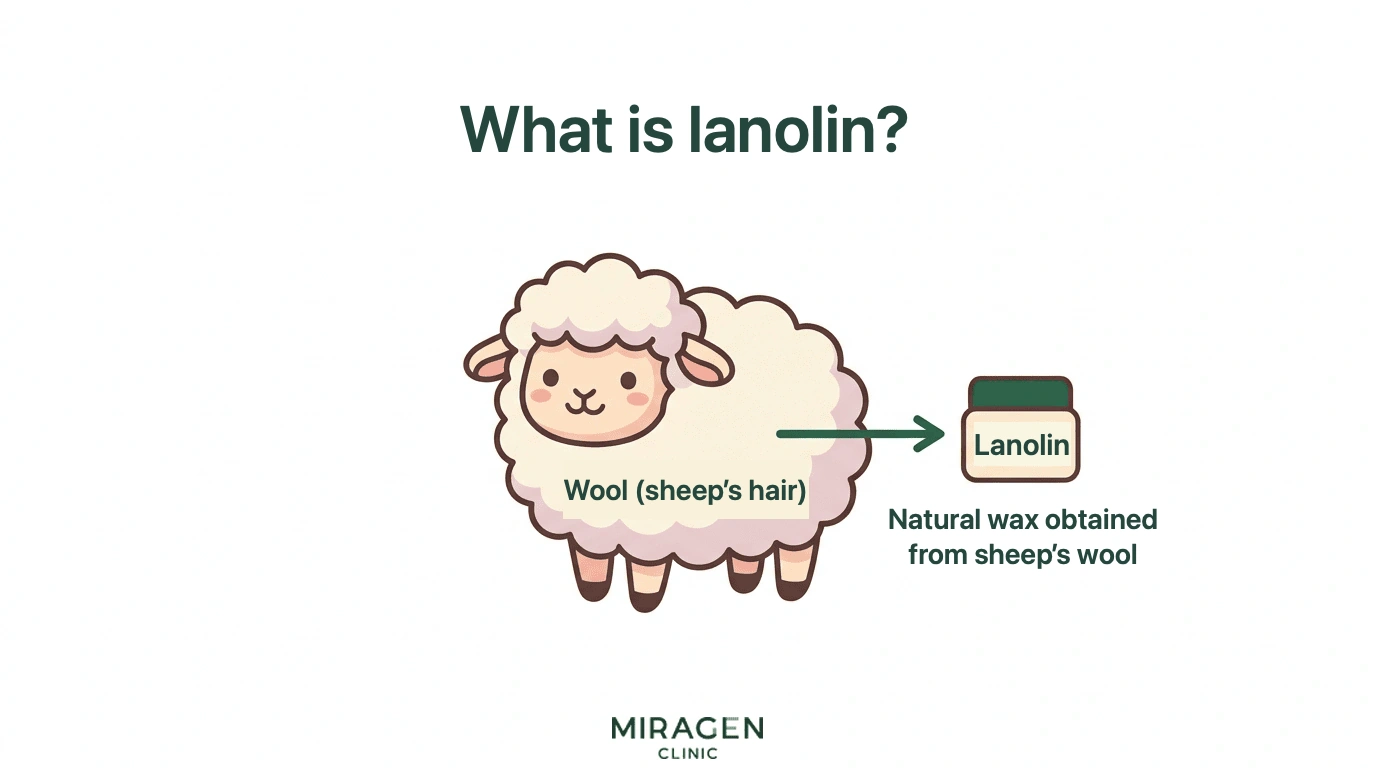
Selected as the 2023 ACDS ‘Allergen of the Year’
However, in 2023, the American Contact Dermatitis Society (ACDS) selected lanolin as the ‘Allergen of the Year.’5 The reason for this selection is noteworthy. While it rarely causes problems on healthy skin, there is a high risk of allergic contact dermatitis in patients with chronic inflammatory skin diseases.
According to an analysis of data from 43,691 individuals who underwent patch testing by the North American Contact Dermatitis Group (NACDG) from 2001 to 2018, the rate of positive reactions to lanolin was 3.3% (1,431 people) overall. In children, it was 4.5%, higher than in adults (3.2%).6
There is more to note. Patients who showed a positive reaction to lanolin in patch tests had a significantly higher rate of history of eczema or allergic rhinitis compared to those who were negative.6 In other words, the more the skin barrier is already damaged, the more likely one is to be sensitized to lanolin.
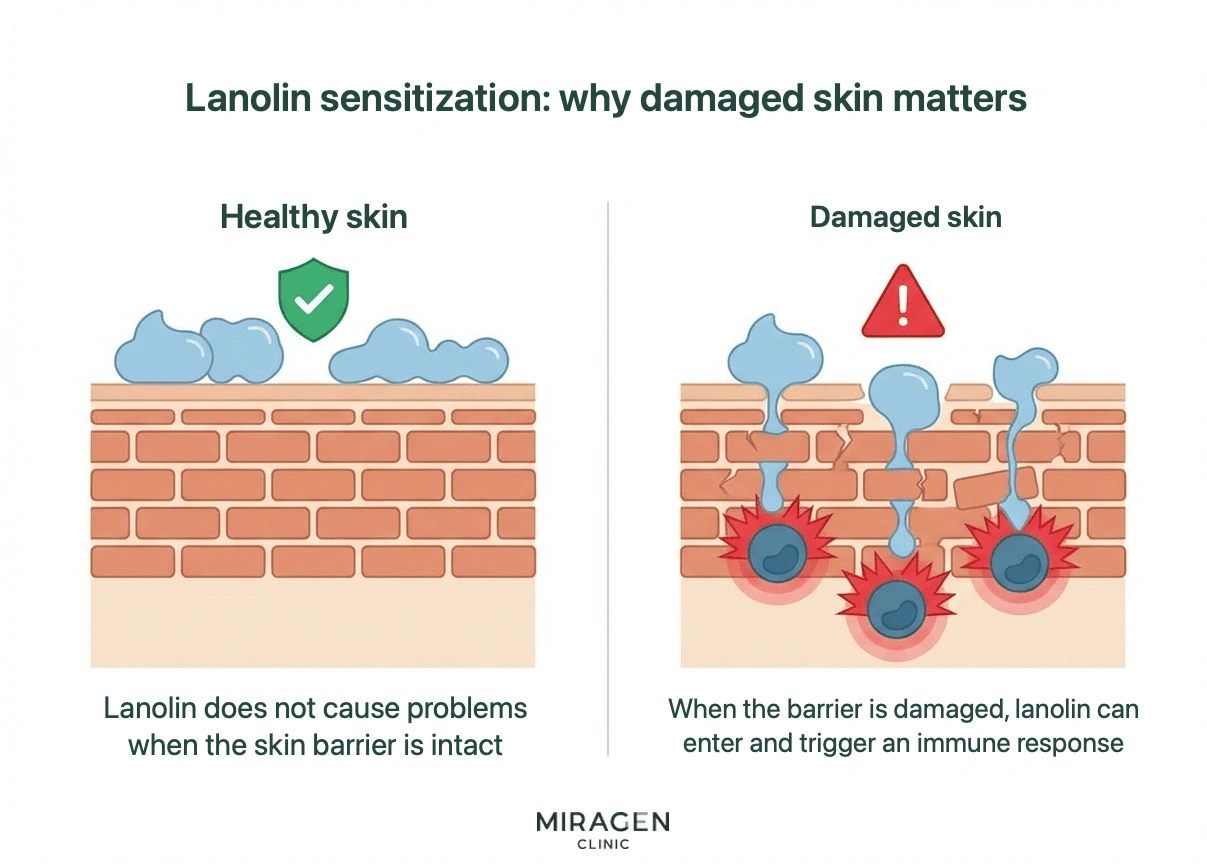
The Paradox of Bepanthen Ointment and Lanolin
A paradox arises here. Bepanthen ointment is intended for atopic dermatitis, eczema, diaper rash, and nipple fissures — all conditions where the skin barrier is already compromised. This very patient group is also the one at the highest risk for lanolin sensitization.
Of course, the figure of 3.3% comes from data of a patient group that underwent patch testing due to suspected contact dermatitis. The rate in the general population would likely be lower. However, considering that most people using Bepanthen ointment already have skin issues, it is not a figure to be taken lightly.
Types of Dexpanthenol Ointments
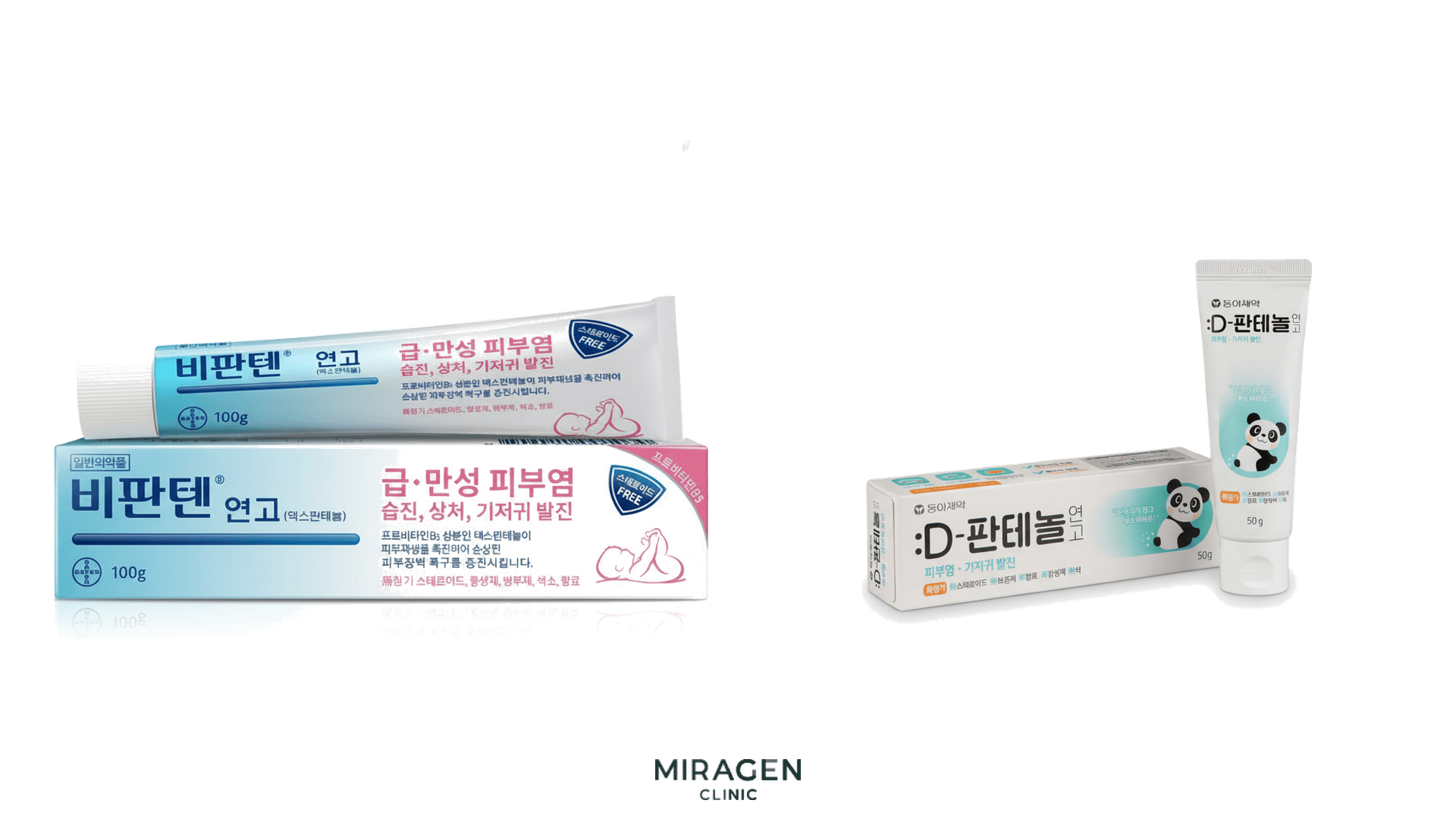
There is a product called D-Panthenol ointment, which is similar to Bepanthen ointment.
The main ingredient is the same at 5% dexpanthenol, but the composition of additives is slightly different. However, D-Panthenol ointment also contains lanolin. D-Panthenol ointment tends to be more affordable.
| Product Name | Manufacturer | Contains Lanolin | Key Additive Characteristics |
|---|---|---|---|
| Bepanthen Ointment | Bayer (Imported) | O (Purified Lanolin) | Fatty vehicles such as white beeswax and Protegin X |
| D-Panthenol Ointment | Dong-A Pharmaceutical | O (Lanolin) | Complex vehicles such as shea butter and dimethicone |
How to Check if Bepanthen Ointment Suits You
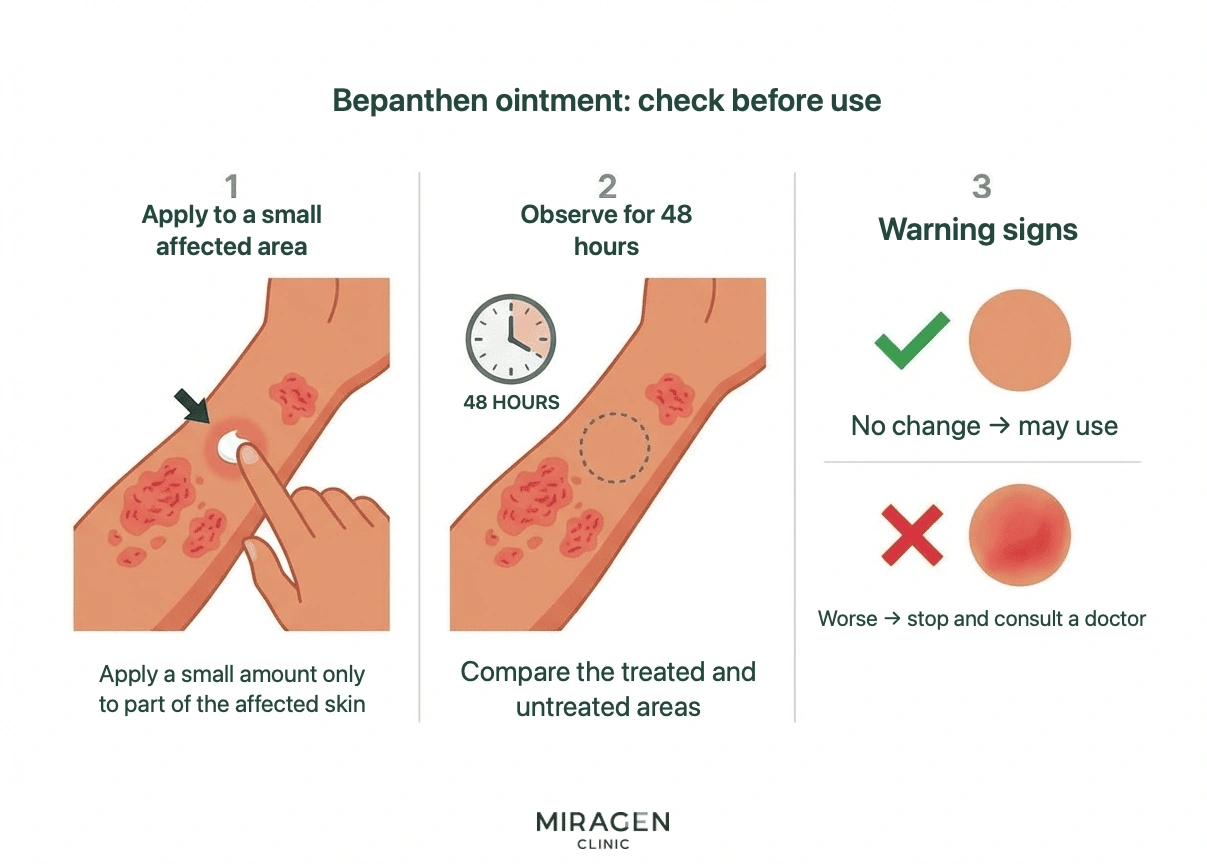
The most practical way to check if Bepanthen ointment is right for you is to apply it to only a part of the lesion first.
- Apply a small amount to a part of the lesion. Apply it twice a day for two days to only a portion of the area with dermatitis. It is difficult to confirm by applying it to the healthy skin on the inside of the arm, as lanolin sensitization occurs in already damaged skin.
- Check the skin reaction after 48 hours. If the existing symptoms do not worsen in the applied area, it is fine to use.
- Stop use if warning signs appear even before 48 hours. If the applied area becomes redder, itchy, or starts to ooze, stop use and consult a doctor.
Frequently Asked Questions
Can Bepanthen ointment be used for pregnant women or newborns?
Dexpanthenol itself has safety data for use in pregnant women and newborns and is generally evaluated as safe. However, since newborns or infants with atopic tendencies have immature skin barriers, the possibility of sensitization to additives may be higher than in adults. Therefore, please check the reaction with a small amount when using for the first time.
Can Bepanthen ointment be applied to acne or the face?
Bepanthen ointment consists of oily fatty vehicles (paraffin, white beeswax, etc.), which can clog pores and worsen acne in acne-prone or oily skin. If using on the face, it is recommended to apply it topically only to dry or cracked areas rather than over a wide area.
My skin became redder after applying Bepanthen ointment. Is it a lanolin allergy?
It is a possibility, but difficult to confirm. It could be a reaction to other additives or vehicle ingredients besides lanolin.
References
- Ebner F, Heller A, Rippke F, et al. Topical use of dexpanthenol in skin disorders. Am J Clin Dermatol. 2002;3(6):427-433.
- Proksch E, Nissen HP. Dexpanthenol enhances skin barrier repair and reduces inflammation after sodium lauryl sulphate-induced irritation. J Dermatolog Treat. 2002;13(4):173-178.
- Cho YS, Kim HO, Woo SM, et al. Use of Dexpanthenol for Atopic Dermatitis—Benefits and Recommendations Based on Current Evidence. J Clin Med. 2022;11(14):3943.
- Udompataikul M, Limpa-o-vart D. Comparative trial of 5% dexpanthenol in water-in-oil formulation with 1% hydrocortisone ointment in the treatment of childhood atopic dermatitis: a pilot study. J Drugs Dermatol. 2012;11(3):366-374.
- Johnson H, Norman T, Adler BL, et al. Lanolin: The 2023 American Contact Dermatitis Society Allergen of the Year. Cutis. 2023;112(2):78-81.
- Silverberg JI, Patel N, Warshaw EM, et al. Lanolin Allergic Reactions: North American Contact Dermatitis Group Experience, 2001 to 2018. Dermatitis. 2022;33(3):193-199.