Can sulfur soap cure acne or folliculitis? A quick search for sulfur soap online reveals many reviews claiming it’s “good for sebum control” and “eliminates demodex mites.” It is true that sulfur as an ingredient has efficacy. It has been used for skin conditions for thousands of years and indeed possesses antibacterial, keratolytic, and insecticidal properties.

However, there’s a crucial point often overlooked: the time spent washing with sulfur soap is usually less than 30 seconds. In such a short period, it’s difficult for sulfur to exert its pharmacological effects on the skin. Moreover, the high pH characteristic of soap can actually weaken the skin barrier.
Therefore, when I encounter patients using sulfur soap during consultations, I often suggest, “Would you consider using this instead of soap?” I’ve summarized the reasons why.
Sulfur’s Effects Are Real
Sulfur is one of the oldest therapeutic ingredients in dermatology. When applied to the skin, it converts into pentathionic acid and hydrogen sulfide, which exert three actions:1
- Keratolytic: Loosens the bonds between keratinocytes, clearing clogged pores.
- Antibacterial · Antifungal: Inhibits the growth of bacteria and fungi (including Malassezia and Candida).
- Insecticidal: Suppresses demodex mites.
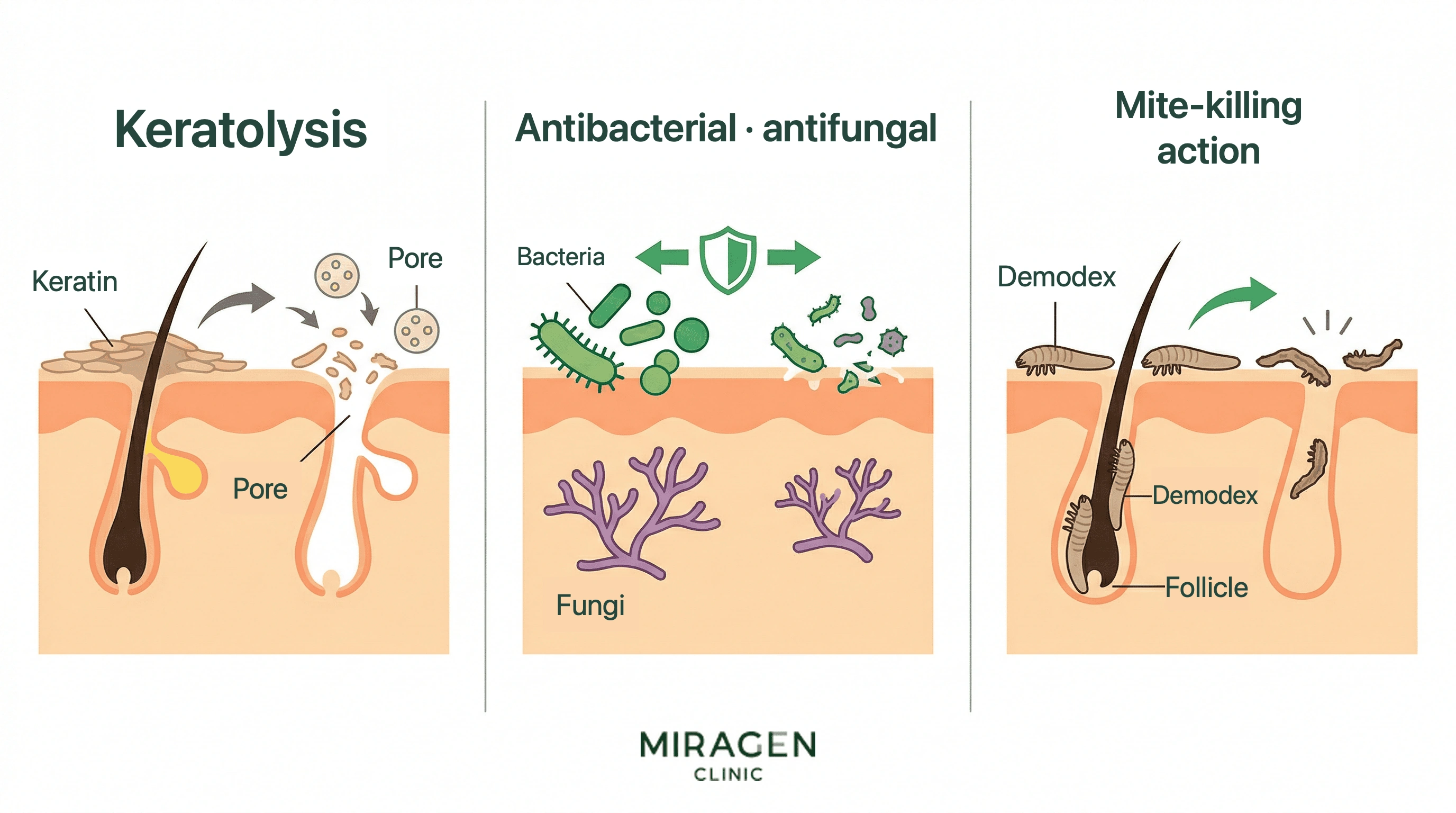
The advantage of sulfur is that these three actions are all present in one ingredient, making it broadly applicable for conditions involving keratin and microorganisms, such as acne, rosacea, and seborrheic dermatitis. Indeed, sulfur creams at concentrations of 5-10% have been used as medicinal products, and real-world clinical data from Japan reported that 10% sulfur cream improved rosacea to a similar extent as metronidazole.2
Structural Limitations of Sulfur Soap
The problem with sulfur soap is not the efficacy of sulfur, but the soap formulation itself.
Contact Time Is Too Short
Sulfur requires a certain amount of time to convert into pentathionic acid and hydrogen sulfide on the skin. Leave-on formulations like creams or lotions ensure this time. In contrast, the time from applying soap to rinsing it off is typically 20-30 seconds.3 The active ingredients are simply washed away.
Therefore, for sulfur, the formulation it is delivered in is critical. Most studies confirming sulfur’s efficacy in treating acne used creams or lotions at 5-10% concentration, and it is difficult to find studies demonstrating equivalent effects with soap washing alone.4
pH Is Too High
The pH of healthy skin surface is 4.5-5.5. This mildly acidic environment stabilizes the lipid structure of the skin barrier and inhibits the growth of harmful bacteria.5 However, most conventional soaps, including sulfur soaps, are alkaline with a pH of 9-10.6
When this high pH comes into contact with the skin, the intercellular lipids of the stratum corneum emulsify, leading to a compromised barrier function. The stiff, tight feeling immediately after washing is a sign that the barrier has been temporarily weakened. If repeated daily, transepidermal water loss (TEWL) can increase, potentially leading to dryness, irritation, and itching.5
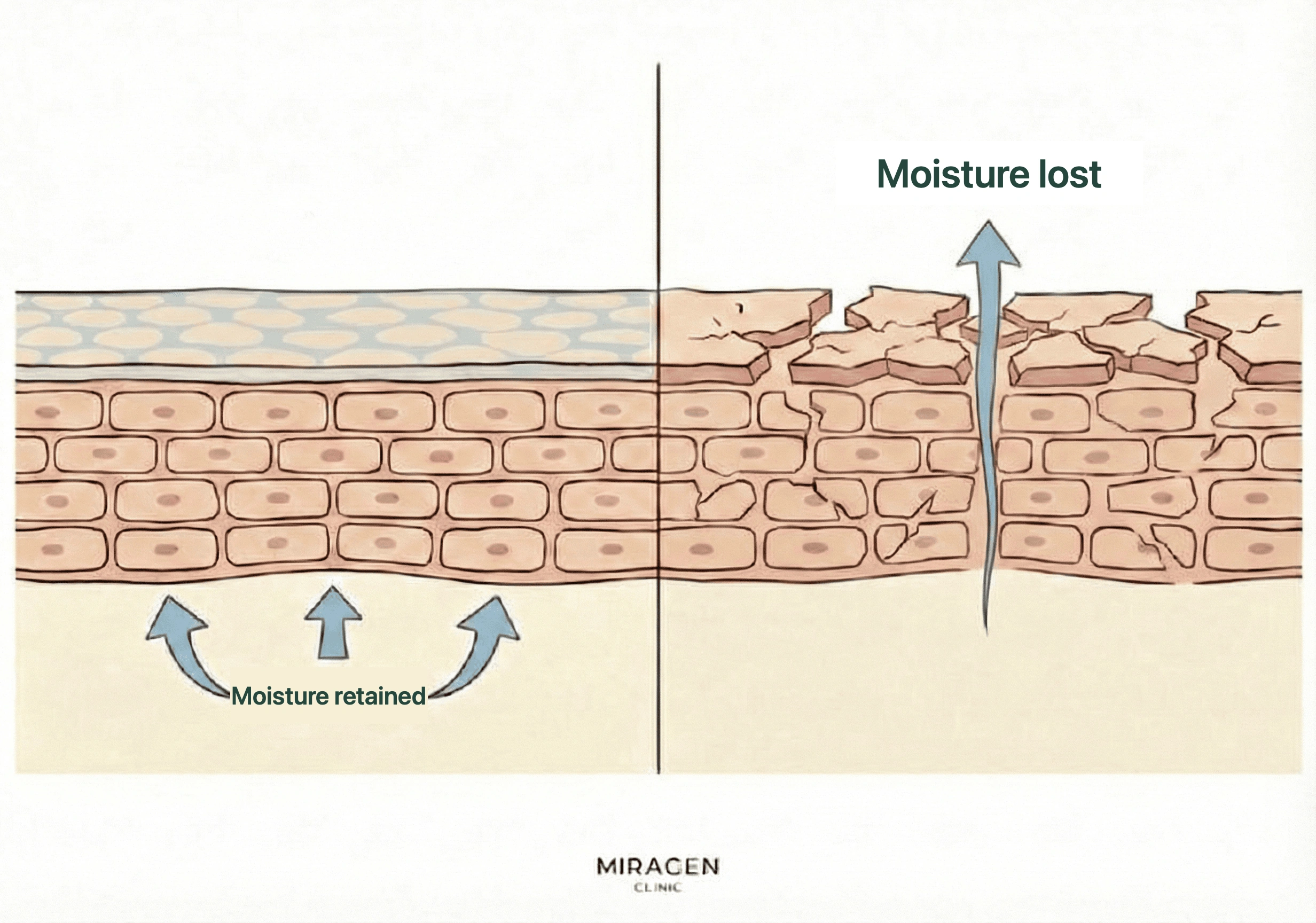
I tell those who use sulfur soap, “If you desire the effects of sulfur, it’s better to use a sulfur-containing cream than soap.” However, in most cases, there are even more evidence-based alternatives than sulfur cream.
For Acne · Folliculitis
The most common reason people seek sulfur soap is for acne and folliculitis. While some studies suggest sulfur is effective for acne, a meta-analysis concluded that the current evidence is insufficient.7 Most studies were small-scale or lacked adequate comparative control group designs.
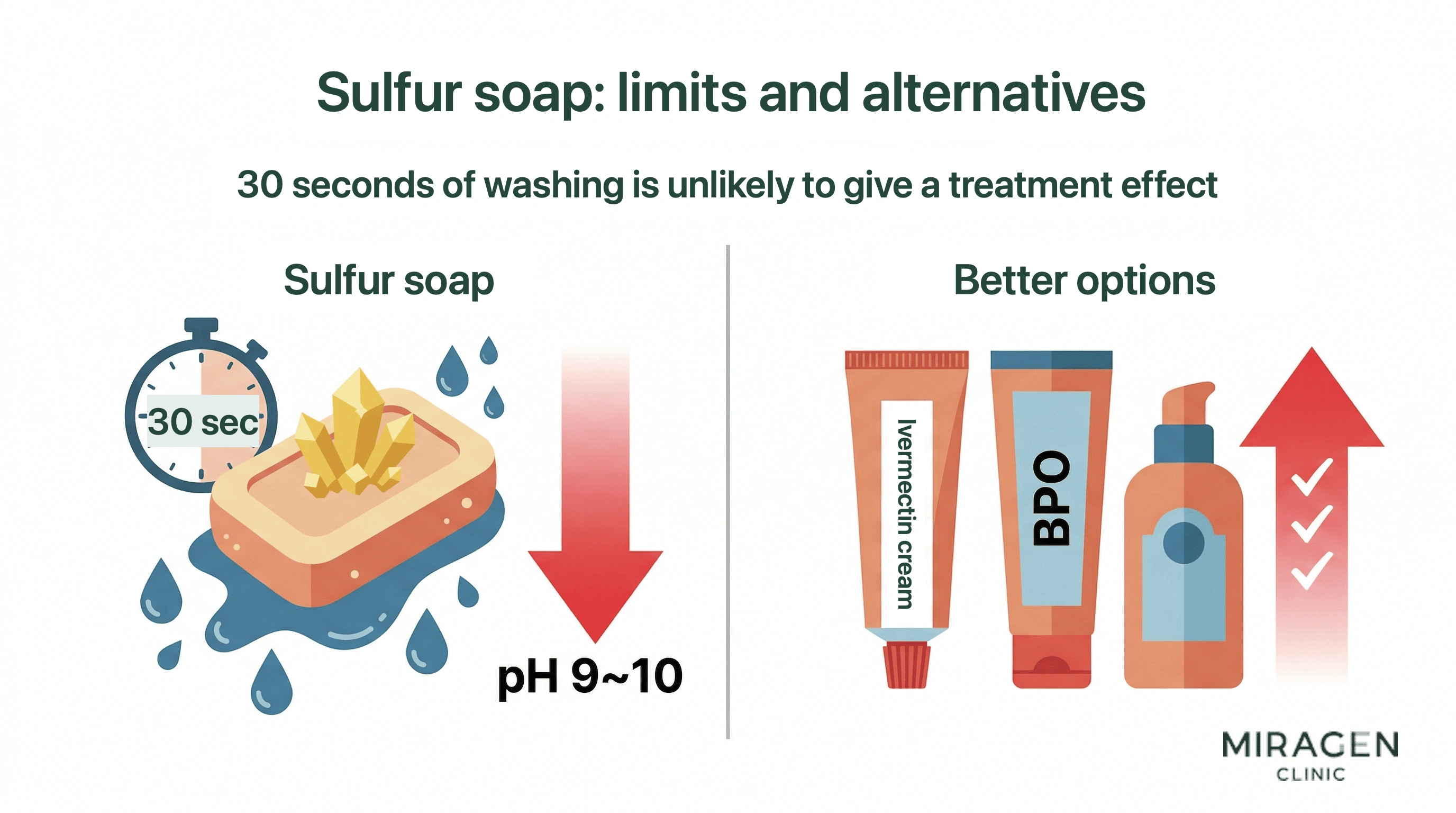
In contrast, there are established first-line treatments for acne with robust evidence.
- Benzoyl Peroxide (BPO) 5% Wash: Similar in usage to sulfur soap as a cleanser, but its antimicrobial power is incomparable. It directly kills acne bacteria (C. acnes) and helps reduce antibiotic resistance. Available over-the-counter at pharmacies.
- Trifarotene Cream 0.005% (Aklief): A fourth-generation retinoid that normalizes follicular keratinization, preventing comedone formation. It is the only topical retinoid proven effective for body acne as well as facial acne.
- Combination of BPO + Topical Retinoid: Recommended as a first-line treatment for mild to moderate acne by the American Academy of Dermatology (AAD) guidelines.
When patients with acne come to me using sulfur soap, I recommend switching to BPO wash. It fits into the same ‘cleansing’ step, requiring minimal lifestyle changes, and the evidence for its efficacy is far more robust.
For Demodex Mites · Rosacea
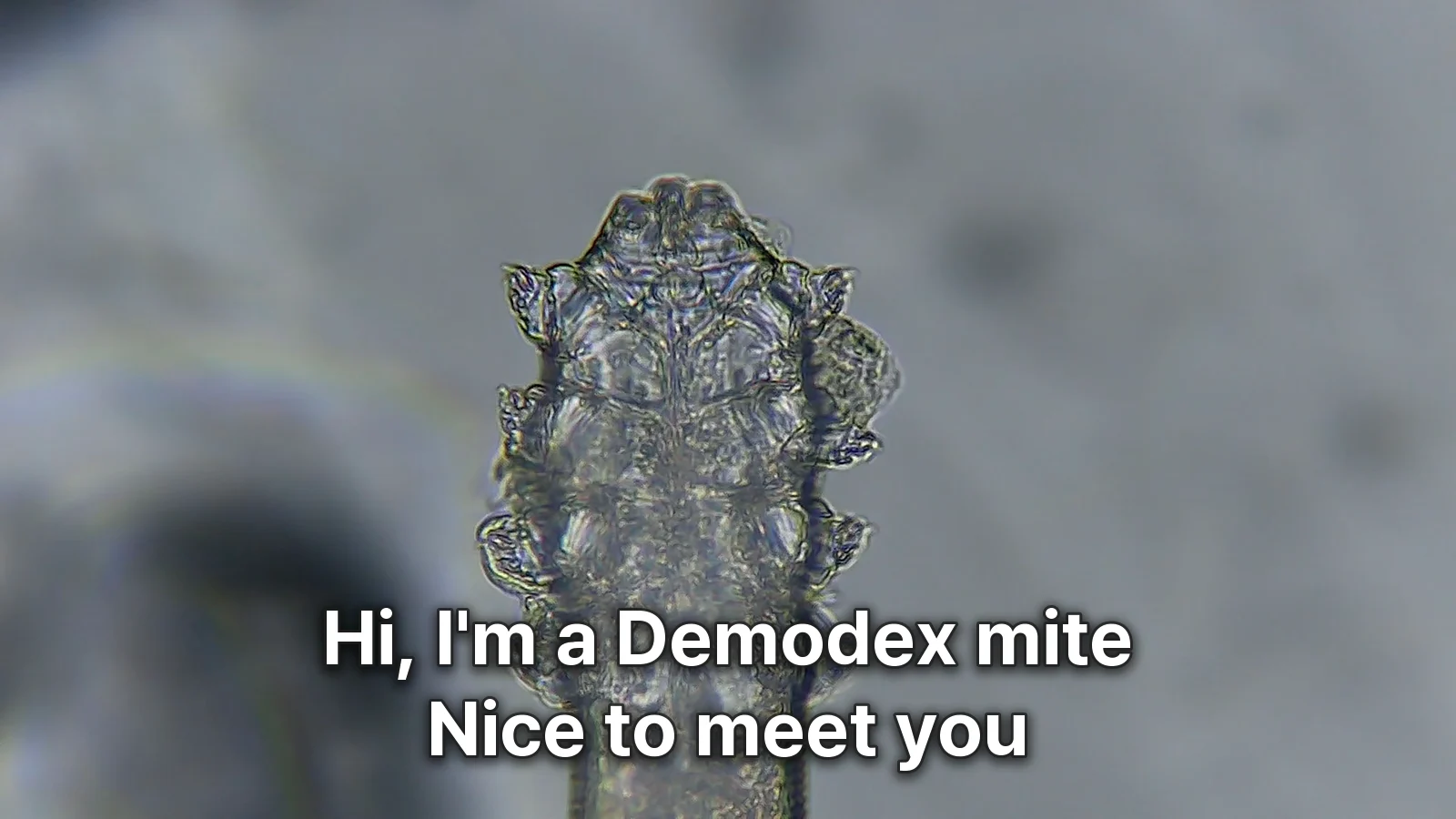
Due to sulfur’s third action, its insecticidal effect, many people concerned about demodex mites also seek sulfur soap. Demodex mites live on normal skin, but their overgrowth can exacerbate papules and pustules in rosacea.8
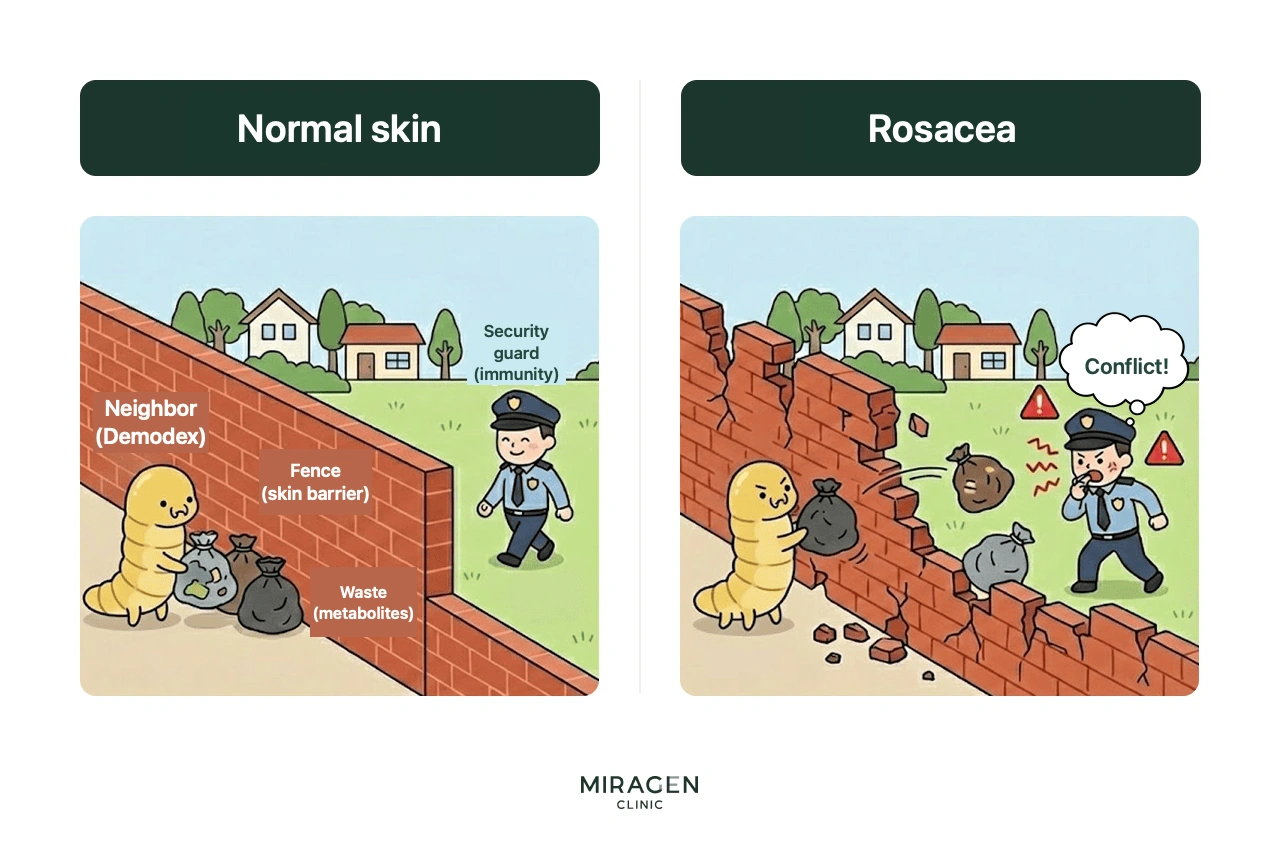
The most evidence-backed treatment for suppressing demodex mites is Ivermectin 1% Cream (Soolantra). In the ATTRACT study, ivermectin significantly prolonged the time to relapse compared to metronidazole 0.75% cream (median 115 days vs. 85 days) and showed superiority in maintaining long-term remission.9,10
There are reports that 10% sulfur cream is also effective for rosacea.2 However, this is a cream, not a soap. The short contact time of soap washing makes it difficult to reach demodex mites living deep within hair follicles. If demodex mites are suspected, the most definitive approach is to undergo a demodex mite test and, based on the results, obtain a prescription for ivermectin cream.
For Atopic Dermatitis · Dry Skin
While there are occasional claims that “sulfur soap is good for atopic dermatitis,” I do not recommend it.
The core problem in atopic dermatitis is an inherently weak skin barrier. Due to filaggrin gene mutations, natural moisturizing factors (NMF) in the stratum corneum are deficient, and ceramide synthesis is also impaired. Using an alkaline soap with a pH of 9-10 daily on such skin further compromises an already vulnerable barrier.5
The situation can worsen if sulfur’s keratolytic action is added. While shedding dead skin cells might temporarily give a ‘clean feeling,’ barrier components are also lost. This accelerates a vicious cycle of dryness → itching → scratching → further barrier damage.
The cleansing principles for atopic skin are simple.
- Use a mildly acidic cleanser (pH 5-6). Mildly acidic cleansers are less damaging to the skin barrier.6
- Keep cleansing time short and rinse with lukewarm water. Hot water further dissolves lipids.
- Apply moisturizer within 3 minutes immediately after washing. The key is to lock in moisture while the skin is still damp.
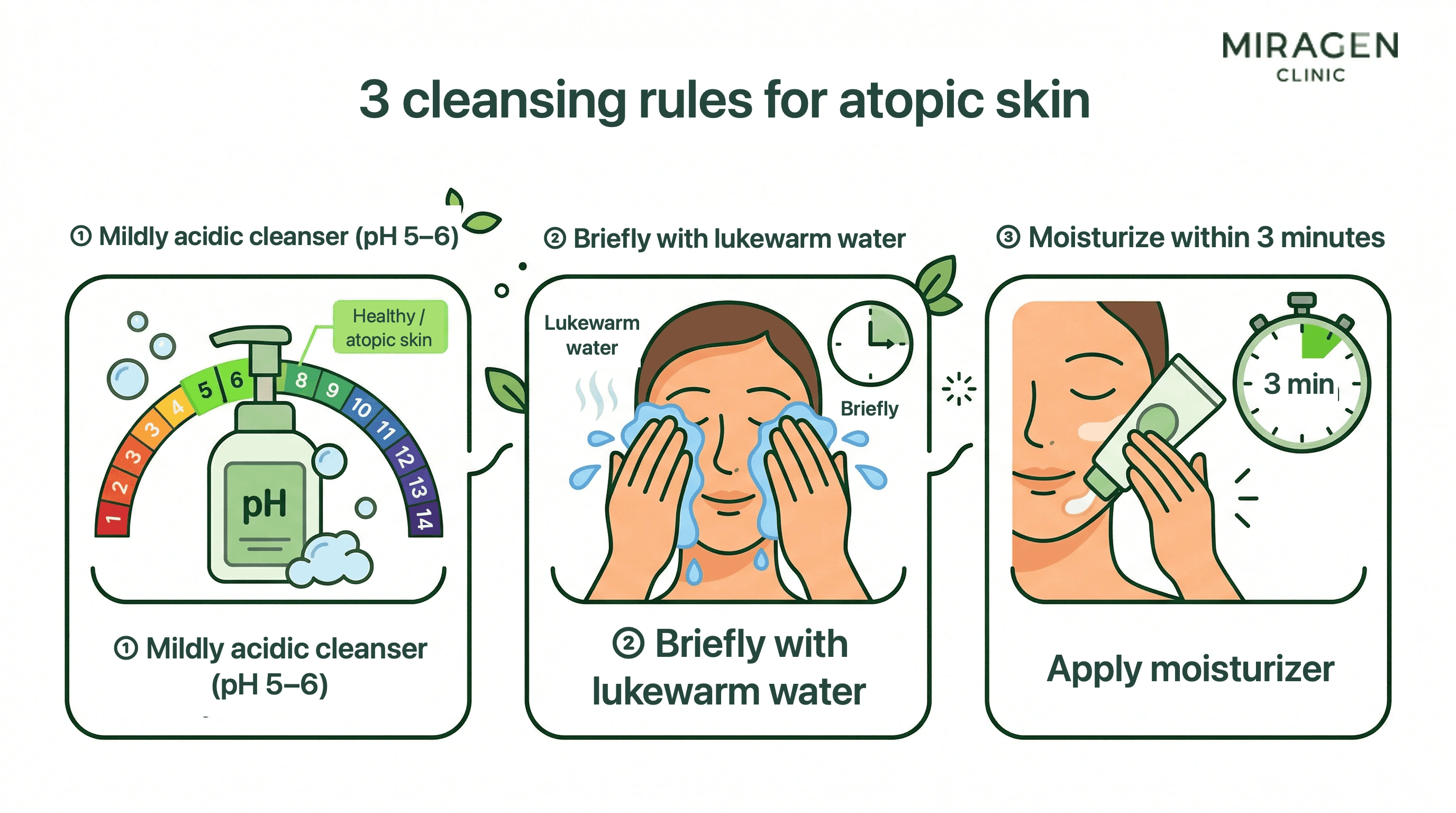
Instead of spending money on sulfur soap, investing that cost in a good moisturizer will be far more beneficial for managing atopic dermatitis.
Sulfur Soap vs. Evidence-Based Alternatives: A Summary
We’ve summarized sulfur soap and better alternatives for each skin concern.
| Skin Concern | Sulfur Soap | Better Alternative | Level of Evidence |
|---|---|---|---|
| Acne · Folliculitis | Possible keratolytic · antibacterial effects, but insufficient contact time | BPO 5% Wash + Trifarotene (Aklief) | Guideline First-Line Recommendation7 |
| Demodex Mites · Rosacea | Insecticidal effect, but soap cannot reach follicles | Ivermectin 1% Cream (Soolantra) | RCT Superiority Proven9 |
| Seborrheic Dermatitis | Possible antifungal (Malassezia suppression), but risk of dryness | Ketoconazole 2% Shampoo/Cream | Standard First-Line Treatment |
| Atopic · Dry Skin | High pH + keratolysis → barrier worsening | Mildly Acidic Cleanser + Moisturizer | Barrier Protection Principle5 |
Sulfur itself is not a bad ingredient. In appropriate concentrations (5-10%) and in cream or lotion formulations, it can be used as an adjunctive treatment for rosacea or seborrheic dermatitis. However, it’s important to understand that the soap formulation makes it difficult for sulfur to deliver its full pharmacological effects, and there are already more evidence-based treatments for each of these conditions.
If you wish to start treatment appropriate for your skin condition, we recommend consulting a doctor for a diagnosis first. This is because the approach varies completely depending on whether it’s acne, a demodex mite issue, or atopic dermatitis.
Frequently Asked Questions
Does daily use of sulfur soap improve acne?
The short cleansing time (under 30 seconds) makes it difficult for sulfur’s keratolytic and antibacterial effects to be properly exerted. For acne, please first consider proven treatments such as benzoyl peroxide 5% wash or trifarotene 0.005% cream (Aklief).
Does sulfur soap kill demodex mites?
While sulfur has an inhibitory effect on demodex mites, the contact time during soap washing is too short. For demodex mite treatment, ivermectin 1% cream (Soolantra) is most effective.
Can sulfur soap be used for atopic skin?
It is not recommended. The high pH (9-10) of sulfur soap can further damage the skin barrier, exacerbating dryness and itching. Using a mildly acidic (pH 5-6) cleanser and adequate moisturizing are fundamental for atopic dermatitis management.
References
- Gupta AK, Nicol K. The use of sulfur in dermatology. J Drugs Dermatol. 2004;3(4):427-31.
- Nobeyama Y, Aihara Y, Asahina A. Real-world Evidence for the Treatment of Rosacea with Sulfur or Metronidazole Preparation in Japanese Patients. JMA J. 2023;6(4):448-454.
- Draelos ZD. The science behind skin care: Cleansers. J Cosmet Dermatol. 2018;17(1):8-14.
- Del Rosso JQ. The use of sodium sulfacetamide 10%-sulfur 5% emollient foam in the treatment of acne vulgaris. J Clin Aesthet Dermatol. 2009;2(8):26-9.
- Ananthapadmanabhan KP, Moore DJ, Subramanyan K, et al. Cleansing without compromise: the impact of cleansers on the skin barrier and the technology of mild cleansing. Dermatol Ther. 2004;17 Suppl 1:16-25.
- Mijaljica D, Spada F, Harrison IP. Skin Cleansing without or with Compromise: Soaps and Syndets. Molecules. 2022;27(6).
- Liu H, Yu H, Xia J, et al. Topical azelaic acid, salicylic acid, nicotinamide, sulphur, zinc and fruit acid (alpha-hydroxy acid) for acne. Cochrane Database Syst Rev. 2020;5(5):CD011368.
- Jacob S, VanDaele MA, Brown JN. Treatment of Demodex-associated inflammatory skin conditions: A systematic review. Dermatol Ther. 2019;32(6):e13103.
- Taieb A, Khemis A, Ruzicka T, et al. Maintenance of remission following successful treatment of papulopustular rosacea with ivermectin 1% cream vs. metronidazole 0.75% cream: 36-week extension of the ATTRACT randomized study. J Eur Acad Dermatol Venereol. 2016;30(5):829-36.
- van Zuuren EJ, Fedorowicz Z, Tan J, et al. Interventions for rosacea based on the phenotype approach: an updated systematic review including GRADE assessments. Br J Dermatol. 2019;181(1):65-79.