Conditions
Atopic Dermatitis | Why does it occur and how is it treated?
Table of Contents
1. Causes of Atopic Dermatitis
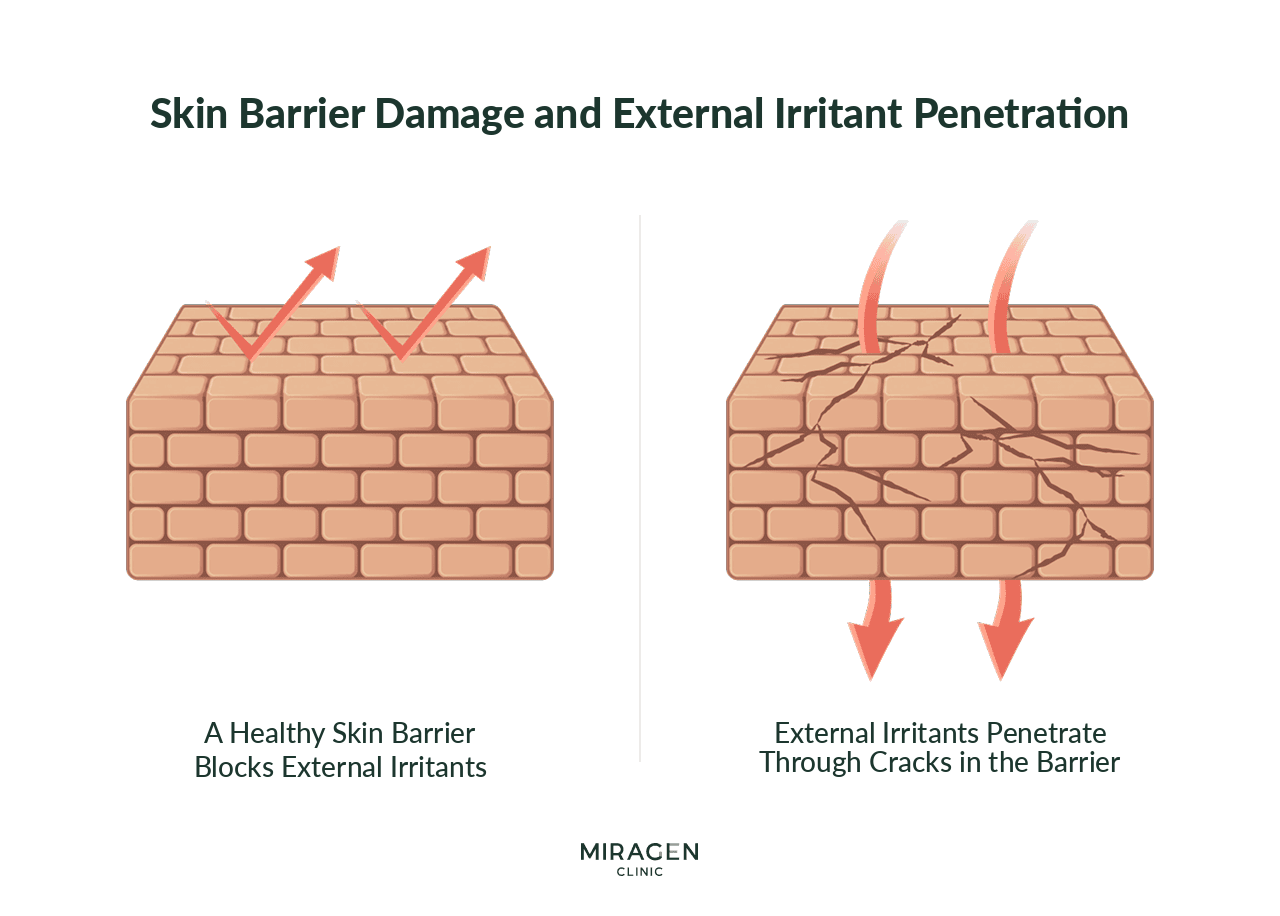
Atopic dermatitis is a condition that occurs when the skin barrier is weak, allowing external irritants to penetrate the skin.1
Congenital or acquired barrier defects are the starting point. As the barrier breaks down, the immune response becomes overactivated, leading to a vicious cycle where the overactive immunity further weakens the barrier.1 In this process, atopic dermatitis can also trigger immune abnormalities (allergies).
Pediatric Atopic Dermatitis
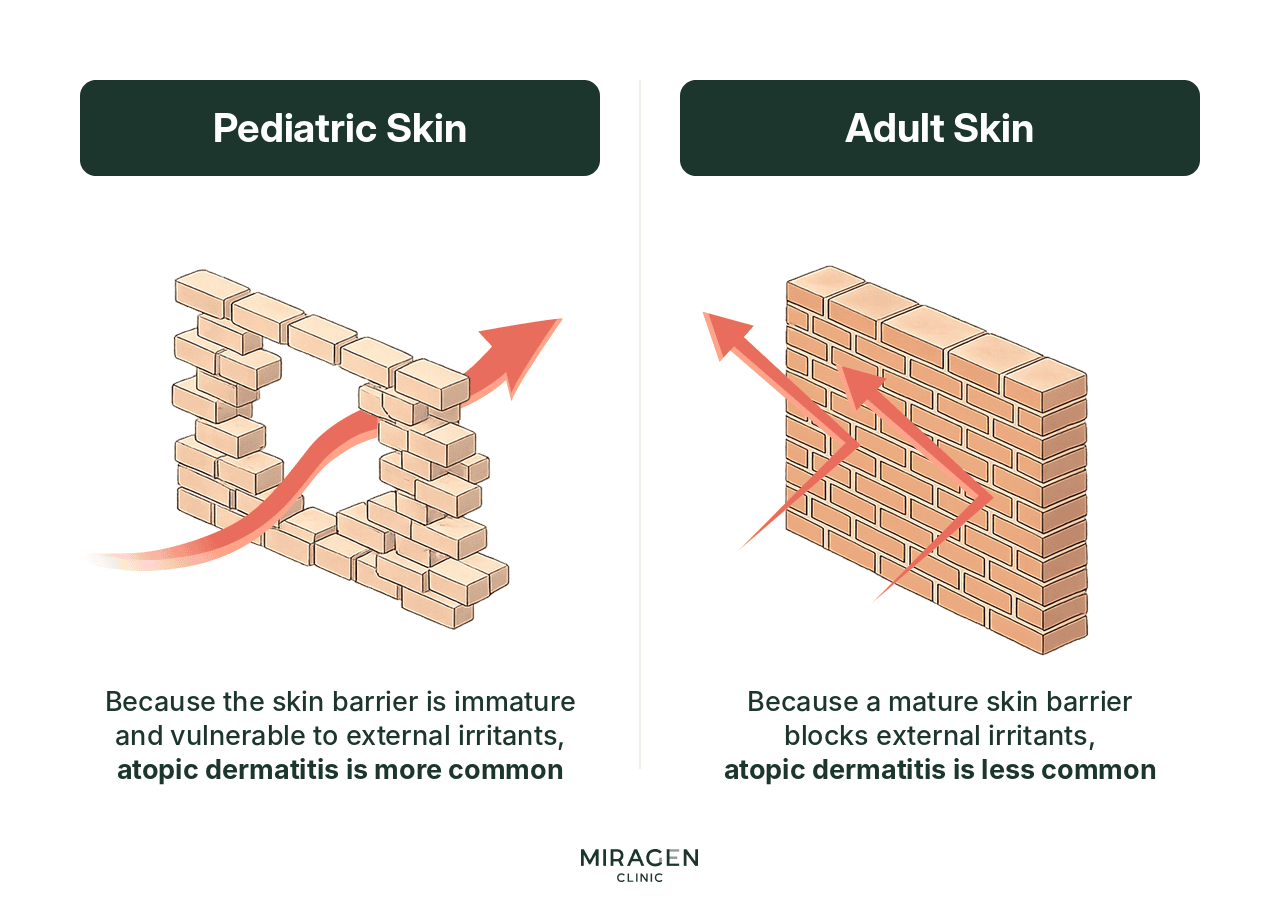
Atopic dermatitis is common in children because their skin barrier is immature and vulnerable to external irritants. In particular, if there is a filaggrin gene mutation, the barrier is even more fragile, significantly increasing the risk of onset.2 If you are unsure whether a rash on a baby’s face is heat rash or atopic dermatitis, please refer to our article on Distinguishing Newborn Atopic Dermatitis from Heat Rash.
Adult Atopic Dermatitis
In most cases, atopic dermatitis disappears as the skin barrier matures in adulthood. However, if the skin barrier is damaged by peels, lasers, waxing, home care devices, functional cosmetics (such as AHA/BHA/Retinol), steroid misuse, or occupational exposure to chronic irritants, atopic dermatitis can recur or develop for the first time.
2. Atopic Dermatitis, Rosacea, and Seborrheic Dermatitis: What are the differences?
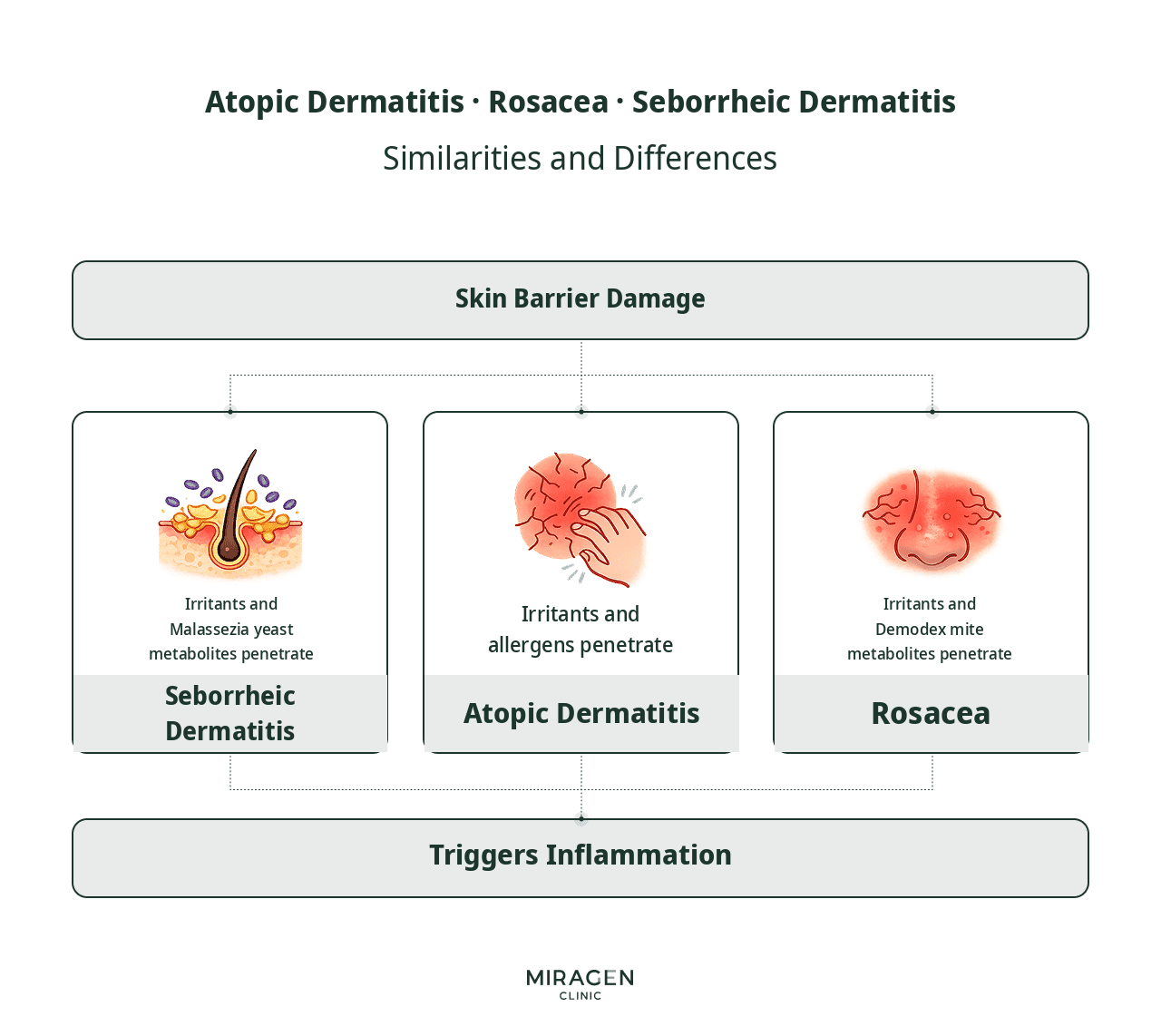
All three conditions share the commonality that the skin barrier is weak, making contact dermatitis prone to occur even from everyday irritants. In addition, each condition has its own unique aggravating factors.
- Atopic Dermatitis — Immune hypersensitivity reaction caused by the penetration of allergens (house dust mites, pollen, etc.)
- Rosacea — Vasodilation and inflammation caused by the penetration of Demodex mite metabolites
- Seborrheic Dermatitis — Inflammation caused by the penetration of Malassezia fungal metabolites
Since the fundamental cause is the same, the treatment principle of requiring barrier recovery is also shared. However, because the additional treatments tailored to each condition differ, an accurate diagnosis is crucial.
Detailed information on each condition can be found in the Rosacea Guide and the Seborrheic Dermatitis Guide.
3. Atopic Dermatitis and Allergies
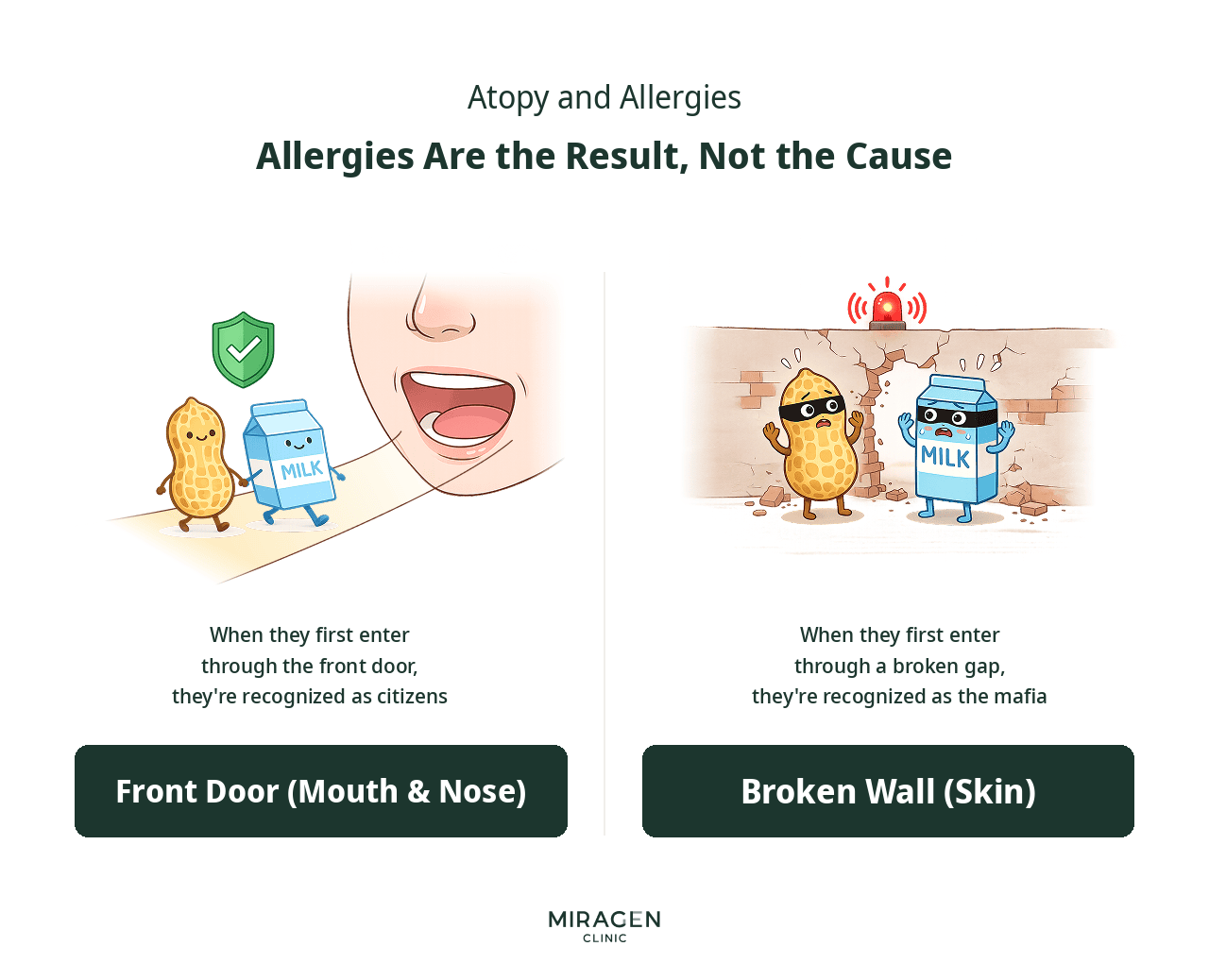
Many people misunderstand atopic dermatitis as an allergic disease, but conversely, atopic dermatitis triggers allergies.3,4
3.1 Citizens and the Mafia
Our immune system recognizes substances that first enter through the ‘front gate’ (digestive or respiratory tract) as citizens (immune tolerance).
However, if the ‘fence’ (skin) is broken, some substances enter through the gaps first. In this case, the immune system recognizes those substances as the ‘Mafia.’
3.2 The Emergency Alarm
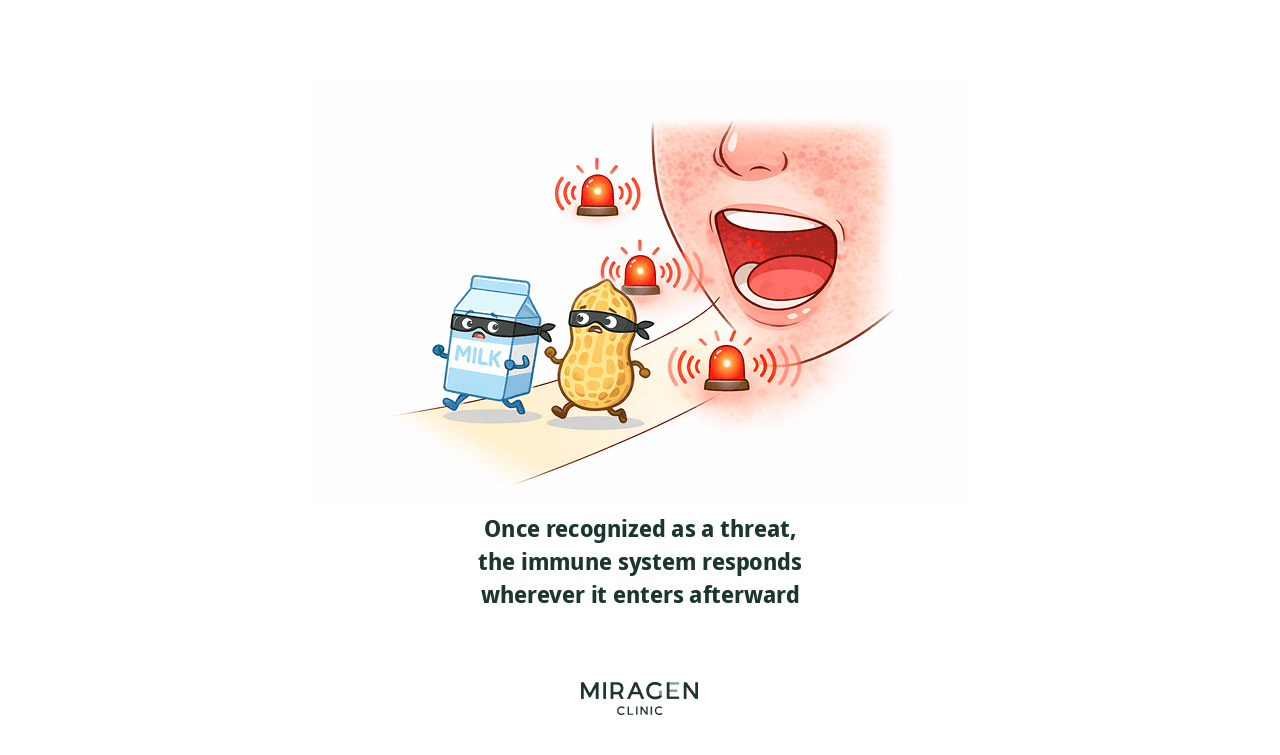
Once a substance is labeled as the Mafia, an emergency alarm (inflammation) rings throughout the body even if it enters through the front gate (food or respiration).
3.3 The Core of Treatment
Therefore, for atopic dermatitis accompanied by allergies, efforts to identify and avoid environmental allergens are necessary, in addition to skin care.
3.4 Atopic Dermatitis Without Allergies
However, not all atopic dermatitis is accompanied by allergies. It is called extrinsic if accompanied by allergies, and intrinsic if it is not.
Characteristics of Intrinsic Atopic Dermatitis
Intrinsic cases account for approximately 20% of all atopic dermatitis and are characterized by normal serum IgE levels during acute allergy testing (MAST test), with no sensitization to environmental allergens.5
This occurs because the skin barrier issues developed after the list of Citizens and Mafia had already been finalized; therefore, it is not accompanied by allergies.
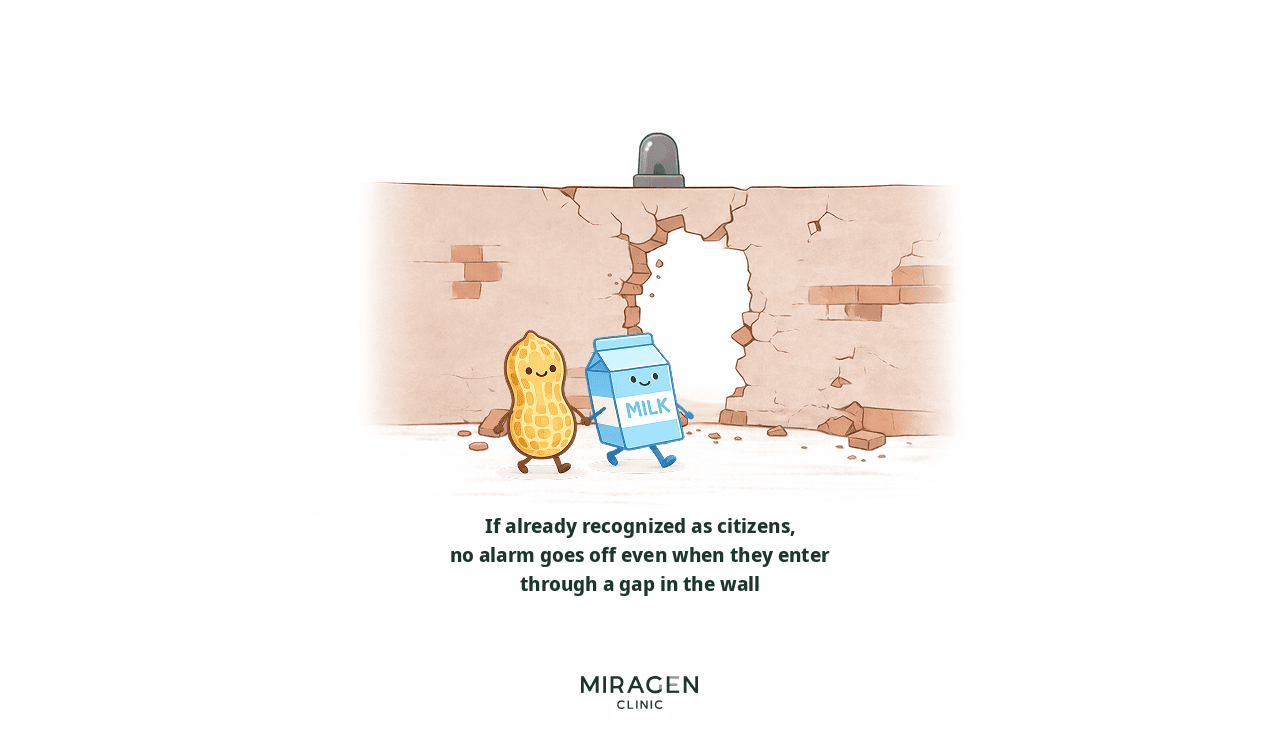
Because the immune system ignores external substances entering through the fence, thinking “It’s just a citizen,” there are many cases where the damage to the fence is severe compared to the symptoms.
However, since one can focus on repairing the broken fence rather than environmental management, treatment is generally easier than in cases accompanied by allergies (extrinsic).
4. Atopic Dermatitis and Food
The relationship between atopic dermatitis and food differs significantly between children and adults.
Since childhood is a period when the immune system learns to react to food, it is more important to establish immune tolerance by introducing a variety of foods early on, rather than imposing indiscriminate dietary restrictions, unless there is a severe allergic reaction.6
Adults are not as affected by food as children, but caution is needed as foods high in histamine, foods high in nickel (if a nickel allergy exists), sugar, and alcohol can worsen symptoms.7
Detailed information on foods good for atopic dermatitis (probiotics, Vitamin D), foods to avoid, and the effects of sugar, flour, dairy, and caffeine has been organized by evidence level in the blog post below.
Information regarding delayed-type allergy testing (IgG4) can be found in the Delayed Allergy Test Guide.
5. Steroid Ointments
Steroid ointments can suppress inflammation quickly and powerfully, but they can also weaken the skin barrier. Therefore, they must be used carefully, considering the potency grade, application site, and barrier condition.8
Basic usage instructions and precautions for steroid ointments can be found in the Topical Steroid Guide, and a list of products by grade is available in the Steroid Ointment Grades article.
6. Protopic and Elidel
Protopic and Elidel are non-steroidal anti-inflammatory agents that can be used instead of steroids. They are useful in situations requiring long-term management, such as atopic dermatitis, because they do not weaken the skin barrier.9
However, when the skin barrier is weak, excessive absorption can lead to contact dermatitis; therefore, it is advisable to check sensitivity with a patch test before use.
Detailed information can be found in the Elidel Guide and the Protopic Guide.
7. Antihistamines
Many patients with atopic dermatitis take antihistamines to reduce itching. However, to date, there is no high-level evidence that antihistamines directly reduce the itching associated with this condition.
The itch of atopic dermatitis is different from that of hives. The itch of hives is driven by histamine, so antihistamines work well.
However, the itch of atopic dermatitis is driven by pathways such as IL-31 and TSLP, rather than histamine.10 Blocking only the histamine pathway with antihistamines does not reach the root cause of the itch.
In fact, two Cochrane Systematic Reviews failed to demonstrate consistent effects on itching for both antihistamine monotherapy11 and add-on therapy12.
Furthermore, in a study directly comparing sedative (1st generation) and non-sedative (2nd generation) antihistamines, neither drug showed a difference in itch intensity compared to a placebo.13
7.1 Then why are they prescribed?
1st-generation (sedative) antihistamines block histamine receptors in the brain, inducing drowsiness.
Since itching often worsens at night, the sedative effect of antihistamines helps with sleep and indirectly assists in reducing nighttime scratching.14
In other words, antihistamines do not reduce the itch itself, but rather reduce scratching by putting the patient to sleep.
The American Academy of Dermatology (AAD), European guidelines (EuroGuiDerm), and Korean guidelines all state that the general use of antihistamines is not recommended, and only short-term nighttime use of sedative (1st generation) types for sleep assistance may be considered.15
Since 2nd-generation (non-sedative) antihistamines do not induce drowsiness and fail to reduce itching, there is no evidence to support prescribing them for the purpose of relieving itch.
8. Moisturizers
Moisturizers support the function of the skin barrier, reducing water evaporation and blocking external irritants. However, when the skin barrier is weak, moisturizer ingredients can be absorbed excessively and may actually cause irritation; therefore, it is important to find a suitable moisturizer.16,17
If you suspect a moisturizer is causing irritation, it is helpful to stop moisturizing for about 3 days (zero-moisturizing). The principles and criteria for zero-moisturizing can be found in the Zero-Moisturizing Treatment article.
For more details on moisturizer selection criteria and MD creams, please refer to the MD Cream Guide.
9. Managing Irritants in Daily Life
9.1 Laundry Detergents and Fabric Softeners
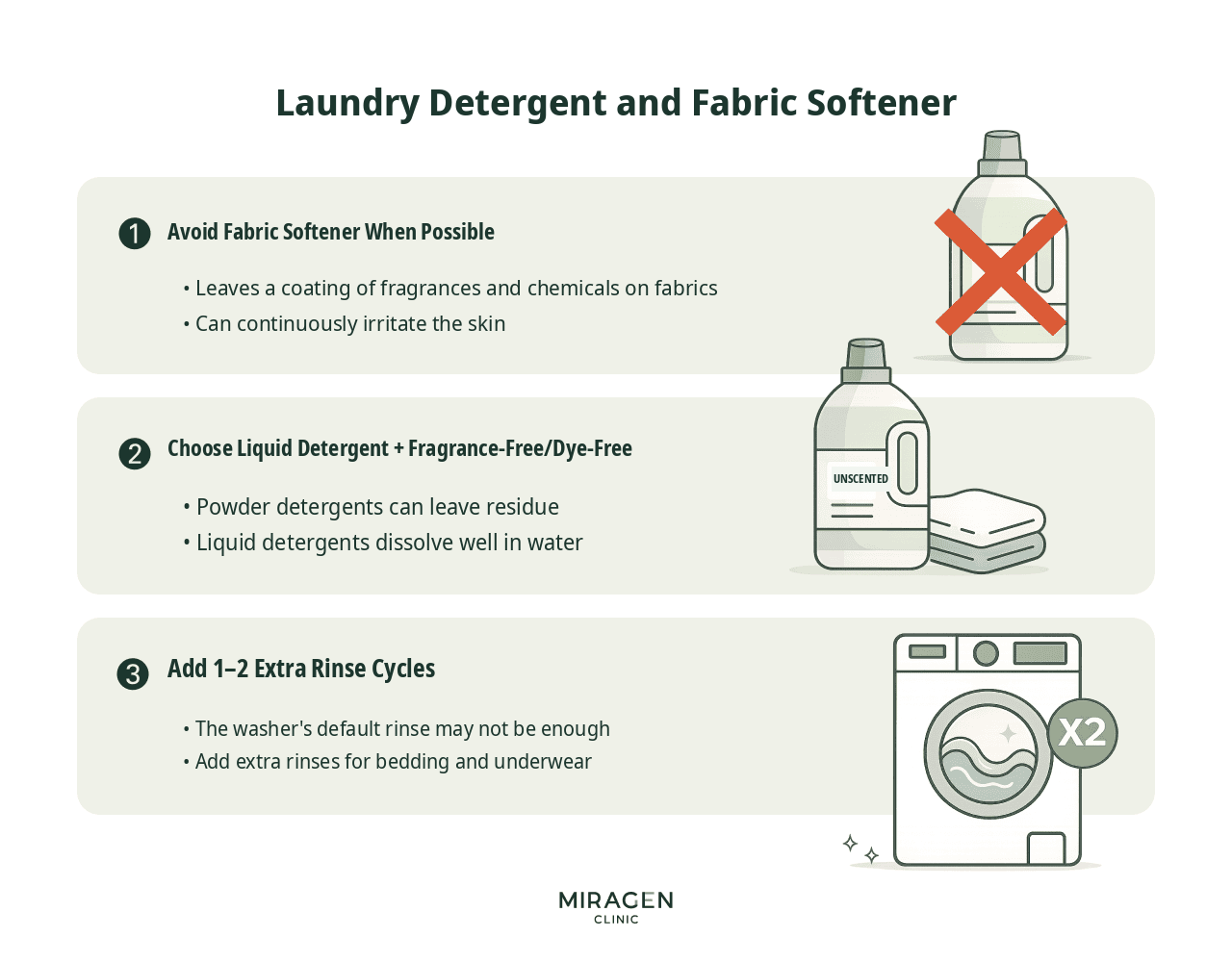
Detergent residue and fabric softeners left on clothes worn daily and blankets used overnight gradually break down the skin barrier.18
- Avoid using fabric softeners if possible: The principle of fabric softeners is to coat the fiber surface with a film of ‘fragrance’ and ‘chemical components.’ These ingredients cause continuous irritation to the skin.
- Liquid Detergent + Fragrance-free/Dye-free: Liquid detergents, which dissolve well in water, leave less residue than powder detergents. We recommend products that are ‘free of fragrances and dyes’ rather than those that ‘smell good.’
- Sufficient Rinsing: You should add 1–2 extra rinse cycles beyond the washing machine’s default setting to completely remove residual detergent components.
9.2 Perfumes and Fragrances
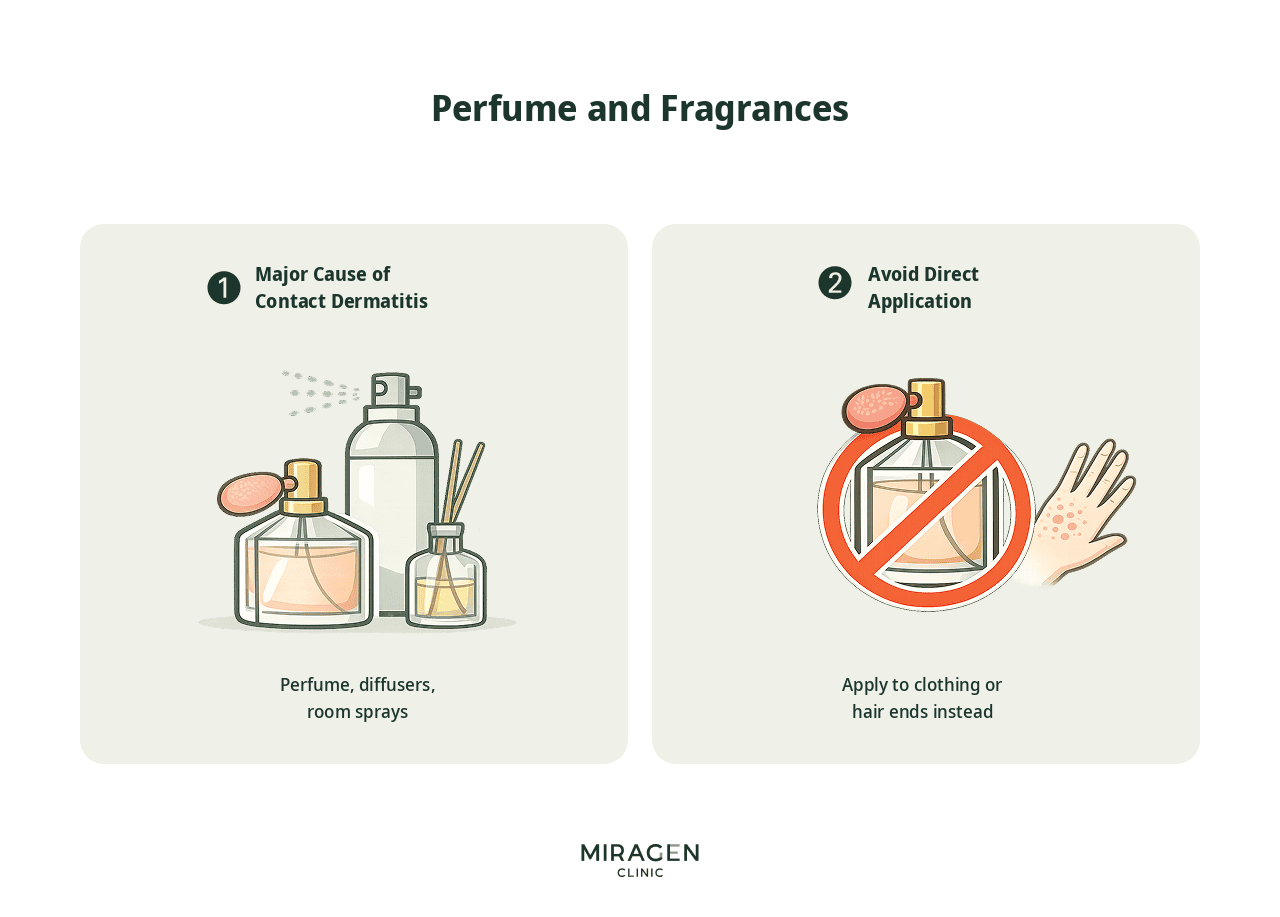
- The Main Culprit of Contact Dermatitis: Perfume is one of the most common causes of allergic contact dermatitis.19 Not only perfumes, but also fragrance components floating in the air from diffusers and room sprays can settle on the skin and cause irritation.
- No Direct Application: When the skin barrier is unstable, you must absolutely avoid spraying perfume directly onto the skin. If you want a scent, consider alternatives such as using a small amount on clothes or the ends of your hair instead of the skin.
9.3 Other Lifestyle Habits
- Minimize Cosmetics: It is best to refrain from using sunscreen or cosmetics until the skin barrier is fully recovered. They can seep into the skin and worsen inflammation.
- Watch Your Body Temperature: Increased body temperature from alcohol, spicy food, saunas, baths, or hot showers can increase blood flow to the skin and worsen inflammation.
- Proper Cleansing and Showering: It is very important to wash off irritants on the skin. Be sure to wash your face and shower every morning and evening, and wash immediately if exposed to external irritants. However, harsh cleansers or hot water will further break down the barrier. If the barrier is significantly weakened, focus on washing with water and use lukewarm water.
- Masks and Air Purifiers: If you have allergies to respiratory antigens, wear a mask when going out and run an air purifier indoors to minimize allergen exposure.
10. Our Clinic’s Treatment Policy
We consider the recovery of the skin barrier to be more important than simply suppressing inflammation.
To achieve this, we provide guidance on lifestyle habits to reduce external irritation after performing MAST tests, patch tests, and skin barrier function tests, and we perform concurrent treatments to protect the skin barrier.
Initial Visit
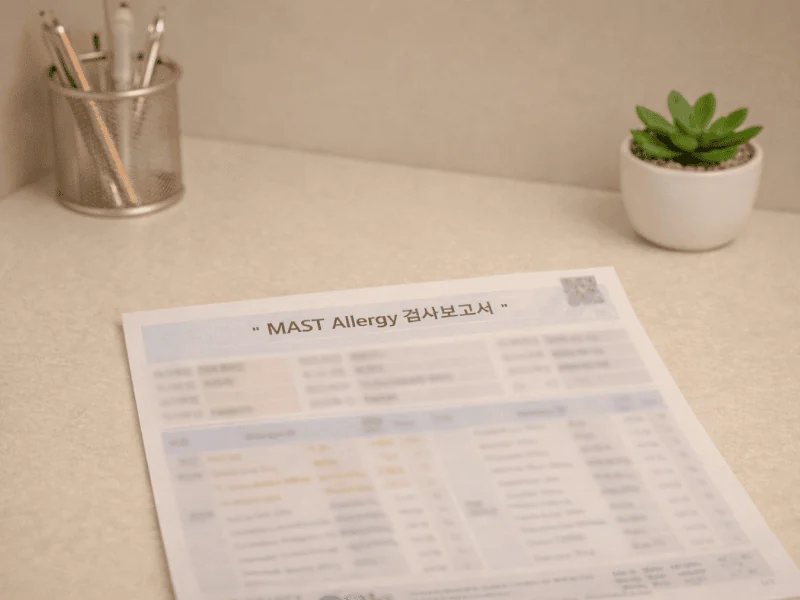
1. Acute Allergy Test
Identifying factors that cause inflammation
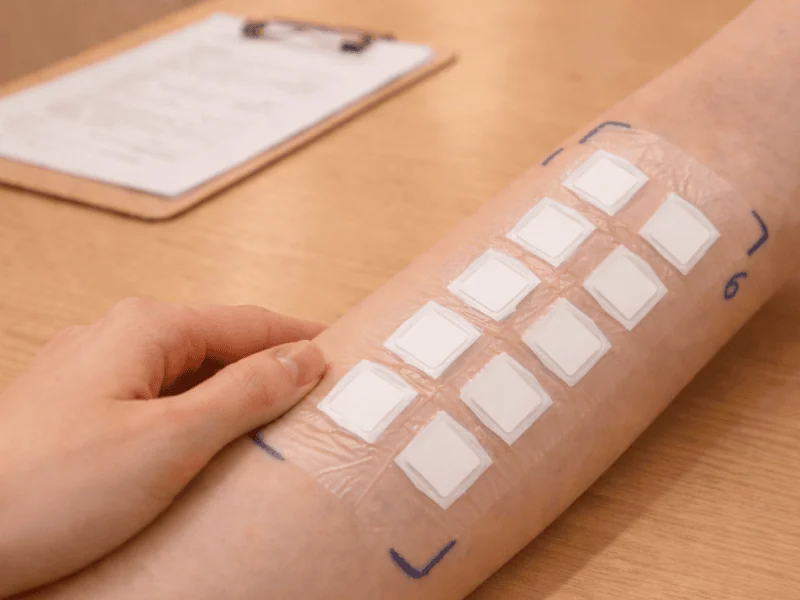
2. Delayed Allergy Test
Identifying sensitivity to Protopic, Elidel, and MD creams
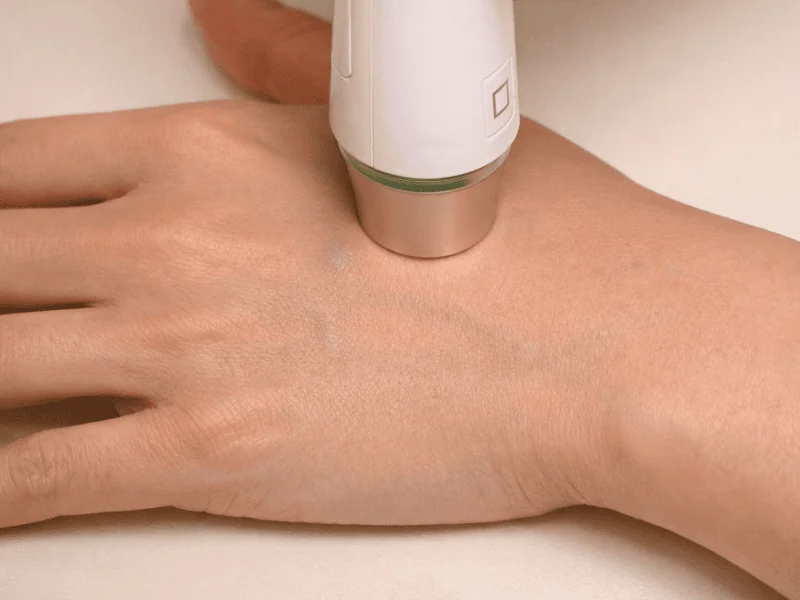
3. Skin Barrier Function Test
Assessing the extent of damage to the skin barrier, which protects against external irritants
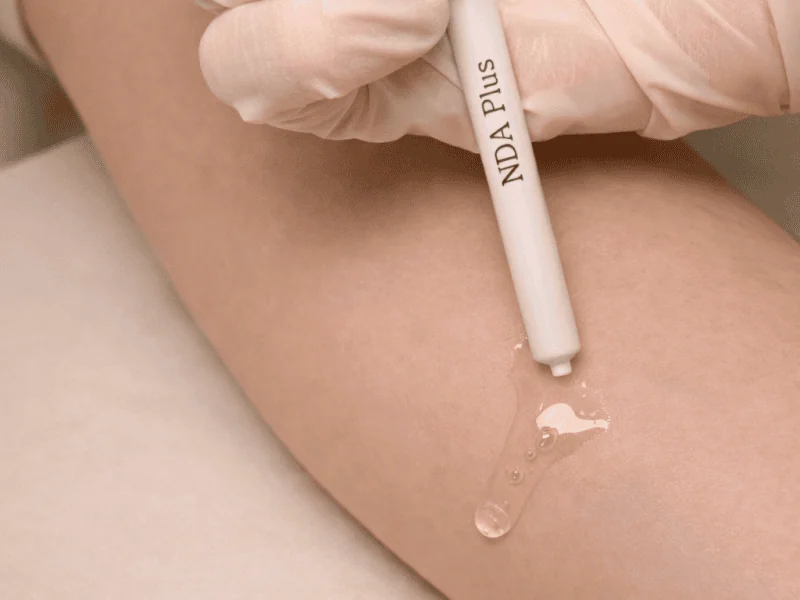
4. Skin Barrier Improvement
Protecting the skin barrier with wound dressing
Second Visit
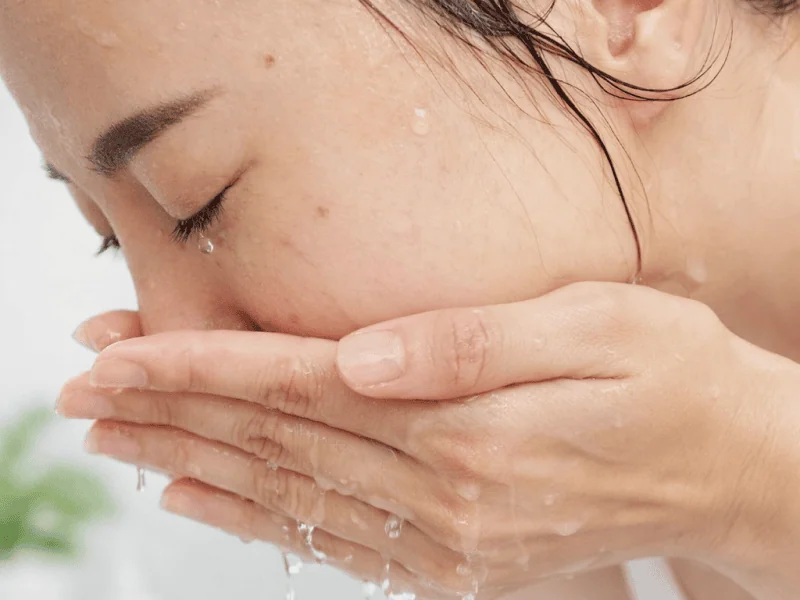
1. Guidance on Lifestyle Improvements
Providing guidance on improving the living environment based on test results
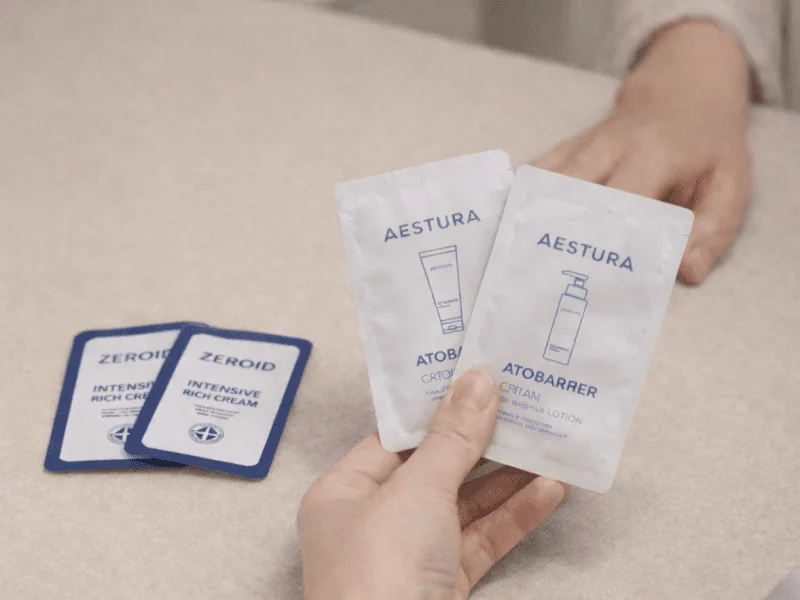
2. Provision of MD Cream Samples
Providing samples of MD creams that showed no sensitivity

3. Ointment Prescription
Managing inflammation, Demodex mites, and fungi as needed using non-sensitizing ointments
4. Skin Barrier Improvement
Protecting the skin barrier with wound dressing
Conclusion
Atopic dermatitis is a chronic inflammatory disease that begins with skin barrier damage. Once the barrier is restored and external irritants can no longer penetrate easily, you can become relatively free from the various restrictions mentioned above.
Therefore, our treatment goal is not temporary relief of atopic symptoms, but the reconstruction of a strong ‘skin fortress’ that protects itself.
References
- Elias PM, Hatano Y, Williams ML. Basis for the barrier abnormality in atopic dermatitis: outside-inside-outside pathogenic mechanisms. J Allergy Clin Immunol. 2008;121(6):1337-1343.
- Palmer CN, Irvine AD, Terron-Kwiatkowski A, et al. Common loss-of-function variants of the epidermal barrier protein filaggrin are a major predisposing factor for atopic dermatitis. Nat Genet. 2006;38(4):441-446.
- Lack G. Epidemiologic risks for food allergy. J Allergy Clin Immunol. 2008;121(6):1331-1336.
- Kubo A, Nagao K, Amagai M. Epidermal barrier dysfunction and cutaneous sensitization in atopic diseases. J Clin Invest. 2012;122(2):440-7.
- Schmid-Grendelmeier P, Simon D, Simon HU, et al. Epidemiology, clinical features, and immunology of the intrinsic (non-IgE-mediated) type of atopic dermatitis (constitutional dermatitis). Allergy. 2001;56(9):841-849.
- Du Toit G, Roberts G, Sayre PH, et al. Randomized trial of peanut consumption in infants at risk for peanut allergy. N Engl J Med. 2015;372(9):803-813.
- Katta R, Schlichte M. Diet and dermatitis: food triggers. J Clin Aesthet Dermatol. 2014;7(3):30-36.
- Coondoo A, Phiske M, Verma S, et al. Side-effects of topical steroids: A long overdue revisit. Indian Dermatol Online J. 2014;5(4):416-425.
- Czarnecka-Operacz M, Jenerowicz D. Topical calcineurin inhibitors in the treatment of atopic dermatitis – an update on safety issues. J Dtsch Dermatol Ges. 2012;10(3):167-172.
- Wilson SR, Thé L, Batia LM, et al. The epithelial cell-derived atopic dermatitis cytokine TSLP activates neurons to induce itch. Cell. 2013;155(2):285-295.
- Apfelbacher CJ, van Zuuren EJ, Fedorowicz Z, et al. Oral H1 antihistamines as monotherapy for eczema. Cochrane Database Syst Rev. 2013;(2):CD007770.
- Matterne U, Böhmer MM, Weisshaar E, et al. Oral H1 antihistamines as ‘add-on’ therapy to topical treatment for eczema. Cochrane Database Syst Rev. 2019;(1):CD012167.
- Wahlgren CF, Hägermark Ö, Bergström R. The antipruritic effect of a sedative and a non-sedative antihistamine in atopic dermatitis. Br J Dermatol. 1990;122(4):545-551.
- Klein PA, Clark RA. An evidence-based review of the efficacy of antihistamines in relieving pruritus in atopic dermatitis. Arch Dermatol. 1999;135(12):1522-1525.
- Kim JE, et al. Consensus guidelines for the treatment of atopic dermatitis in Korea (Part I). Ann Dermatol. 2015;27(5):563-577.
- Cork MJ, Robinson DA, Vasilopoulos Y, et al. New perspectives on epidermal barrier dysfunction in atopic dermatitis: gene-environment interactions. J Allergy Clin Immunol. 2006;118(1):3-21; quiz 22-3.
- Rastogi S, Patel KR, Singam V, et al. Allergic contact dermatitis to personal care products and topical medications in adults with atopic dermatitis. J Am Acad Dermatol. 2018;79(6):1028-1033.e6.
- Tanzer J, Meng D, Ohsaki A, et al. Laundry detergent promotes allergic skin inflammation and esophageal eosinophilia in mice. PLoS One. 2022;17(6):e0268651.
- Cheng J, Zug KA. Fragrance allergic contact dermatitis. Dermatitis. 2014;25(5):232-245.
Frequently Asked Questions
Can atopic dermatitis be cured?
The fundamental cause of atopic dermatitis is a weak skin barrier. When the skin barrier becomes strong, external irritants cannot penetrate, leading to improved symptoms; this state can be maintained long-term unless a specific event occurs. Furthermore, pediatric atopic dermatitis often improves naturally as the skin barrier matures with growth. Adults can also maintain a symptom-free state by removing the causes of barrier damage (such as steroid misuse, excessive skin procedures, and irritating cosmetics) and through consistent management.
I still itch even after taking antihistamines for atopic dermatitis. Why is that?
This is because the itch of atopic dermatitis is driven by pathways such as IL-31 and TSLP, rather than histamine. Antihistamines are effective for itching caused by histamine, such as hives, but their direct effect on the itching associated with this condition has not been proven. While the drowsiness caused by 1st-generation (sedative) antihistamines may indirectly help reduce nighttime scratching, it does not reduce the itch itself.
What is a good moisturizer for atopic dermatitis?
Because everyone’s skin is different, a ‘good moisturizer’ varies by individual. Due to the nature of this condition where the skin barrier is weak, moisturizers are very helpful; however, in a state where the barrier is weak, the moisturizer can seep into the skin and worsen inflammation. Therefore, the key is to find a product that suits you. At our clinic, we check the sensitivity of various MD creams through patch testing and provide samples of safe products. When choosing one yourself without a test, select a product with a short ingredient list and test it on the affected area for at least 3 days.
Does applying steroid ointment for a long time thin the skin?
Yes, long-term use of steroid ointments can weaken the skin barrier and cause skin thinning. Areas with thin skin, such as the face, are at a higher risk of side effects. However, by using an appropriate grade of product at a sufficient intensity for a short period and then gradually reducing it (tapering), you can effectively control inflammation while minimizing side effects.
My child has atopy; is it okay to feed them eggs and milk?
Unless there are severe allergic reactions such as vomiting or hives, it is actually important to introduce them in small amounts. Since childhood is a period when the immune system ‘creates a list of citizens versus the mafia,’ the immune system must be educated to recognize food entering the digestive tract as a safe substance (immune tolerance). In a study of 640 subjects, the group with early peanut consumption had an approximately 81% lower incidence of allergies compared to the avoidance group. Excessive dietary restriction can actually increase the risk of allergies and hinder growth.
Are atopy and allergies the same thing?
No, they are not. Atopy, which occurs due to a weak skin barrier, is the cause, and an allergy is the result. When external substances penetrate through gaps in a weakened skin barrier, the immune system recognizes them as dangerous; subsequently, an allergic reaction occurs even when the same substance enters through food or respiration. However, not all patients have allergies; approximately 20% have ‘intrinsic’ atopy, which involves skin barrier issues without allergies.

Ready to get back to your daily life?
Start now.
If you have indemnity insurance,
you can get started without 부담.
Resolve your questions first with a free consultation.


