Conditions
Seborrheic Dermatitis | Why does it occur, and how should it be treated?
Table of Contents
1. What is Seborrheic Dermatitis?
Seborrheic dermatitis is a skin condition where areas with high sebum secretion — such as the scalp, around the nose, eyebrows, ears, and chest — become red and develop yellowish scales.
While it is commonly known to be caused by fungus (Malassezia), recent studies are shifting the focus toward the fact that skin barrier damage occurs first,1 making the skin vulnerable to Malassezia metabolites.2
2. Causes of Seborrheic Dermatitis | Damaged Barrier First, Fungus Second
2.1 Evidence that Malassezia is not the ‘Cause’
Malassezia is a normal resident flora found in 75–98% of healthy adults.
While it is present in everyone, seborrheic dermatitis only occurs in certain individuals.
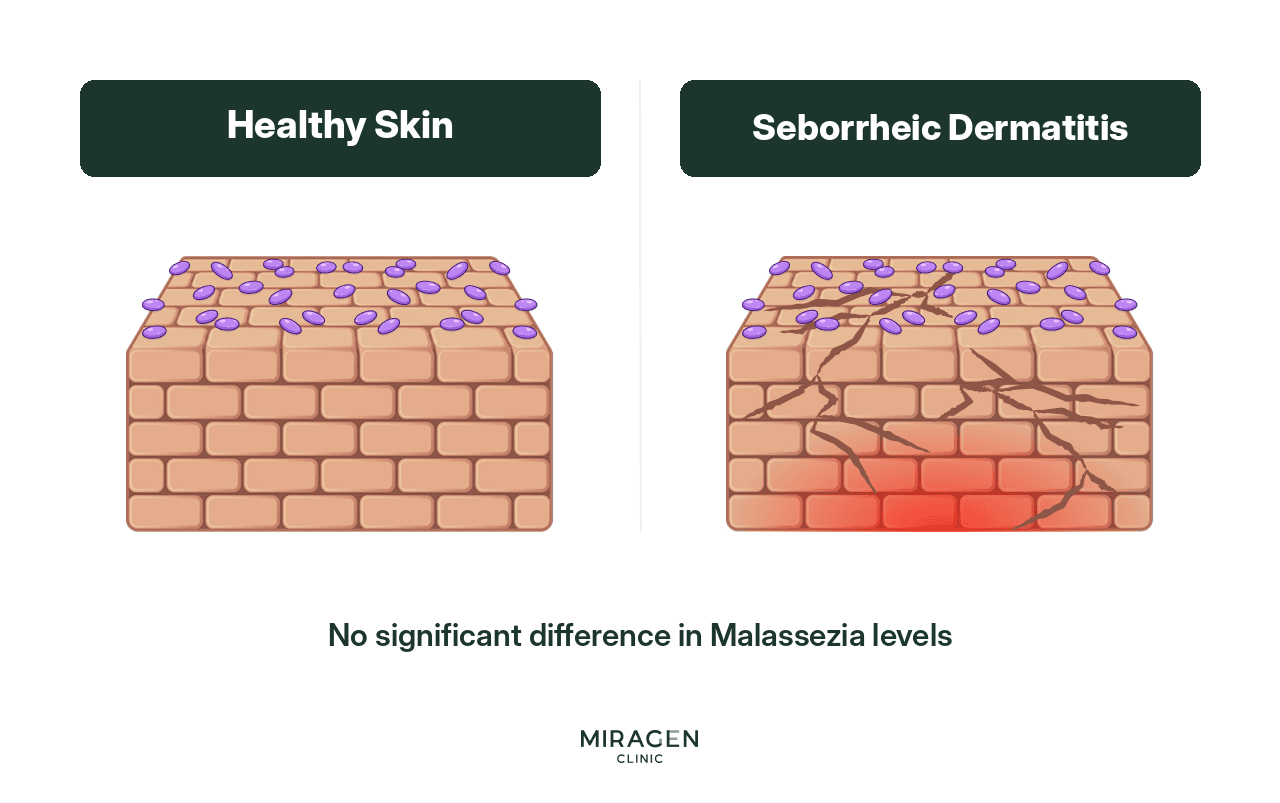
Recent research has shown that the amount of Malassezia itself in the lesions of patients does not differ significantly from healthy skin. In contrast, there were significant differences in the ceramide composition and permeability of the skin barrier.1
Furthermore, a systematic review of 51 clinical trials confirmed the short-term efficacy of antifungals but reported that recurrence is common after discontinuation. If Malassezia were truly the cause, eliminating the fungus should cure it; however, in reality, it recurs if the barrier is not restored.3
2.2 Actual Pathogenesis
This does not mean Malassezia is irrelevant. The pathogenesis suggested by the latest research is as follows:
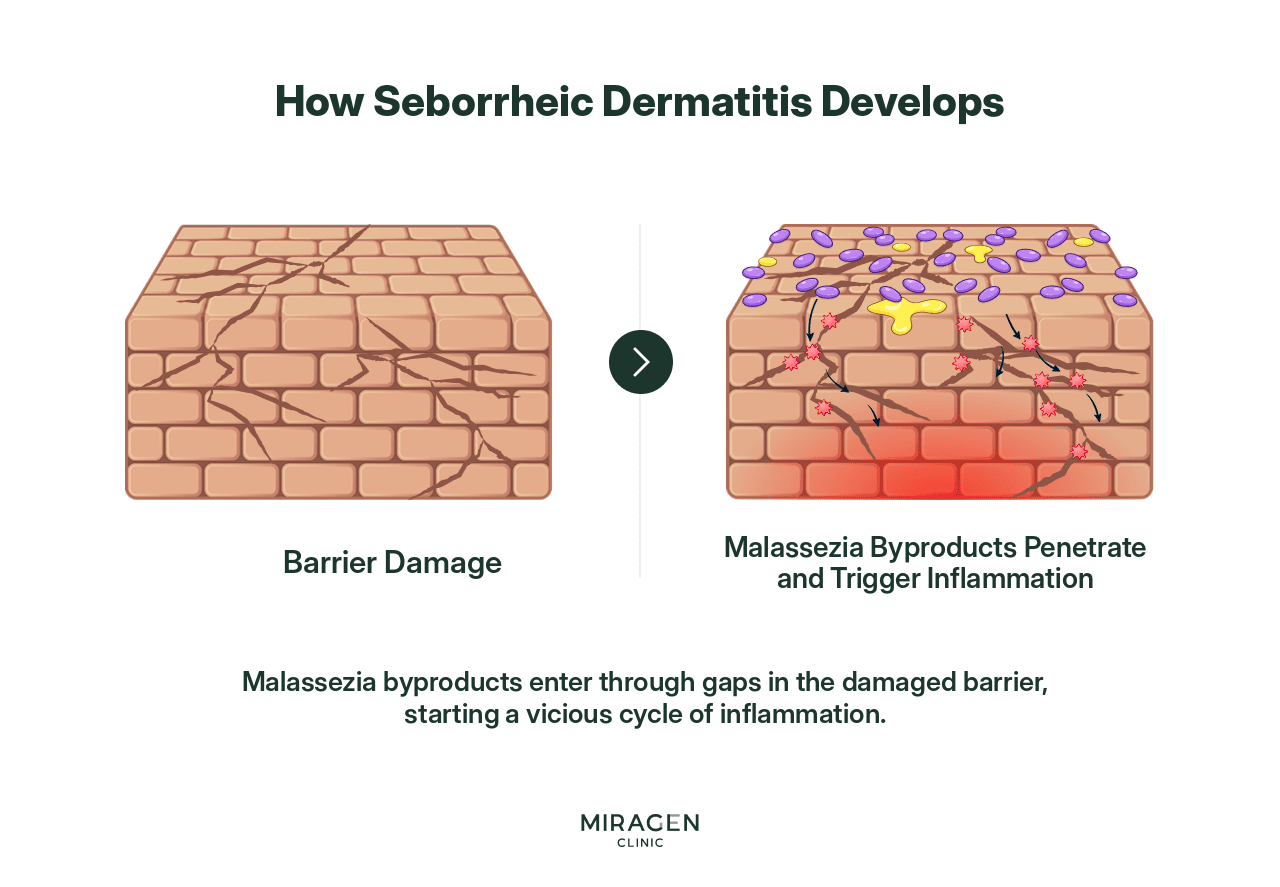
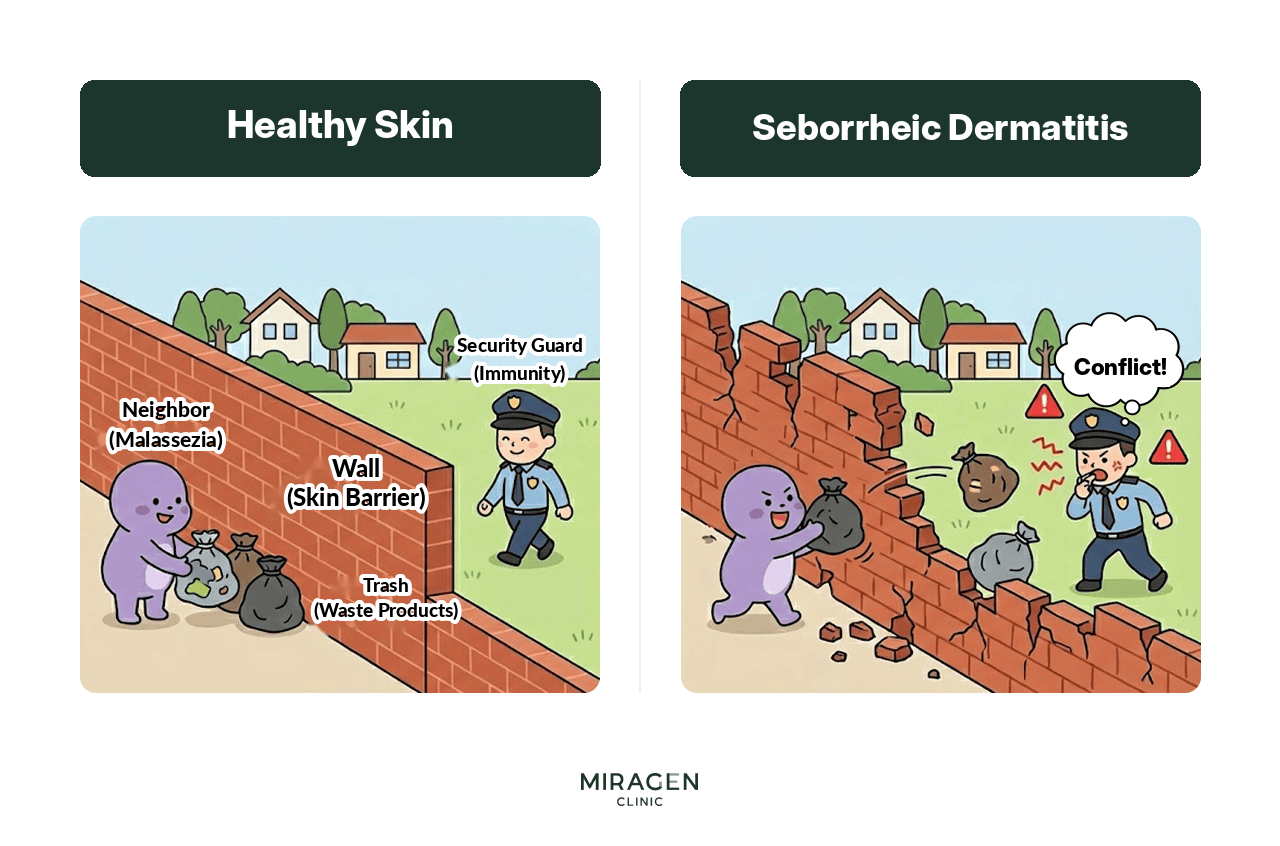
- Skin Barrier Damage
- Malassezia breaks down sebum to produce irritating fatty acids → These are blocked by a normal barrier, but in a damaged barrier, they penetrate between keratinocytes, causing further damage.
- Malassezia cell wall components and metabolites invade through gaps in the damaged barrier → Induces inflammation → Causes additional barrier damage.
In short, the fundamental cause is skin barrier damage, and Malassezia acts as an aggravating factor.
2.3 Seborrheic Dermatitis, Atopic Dermatitis, and Rosacea: What is the difference?
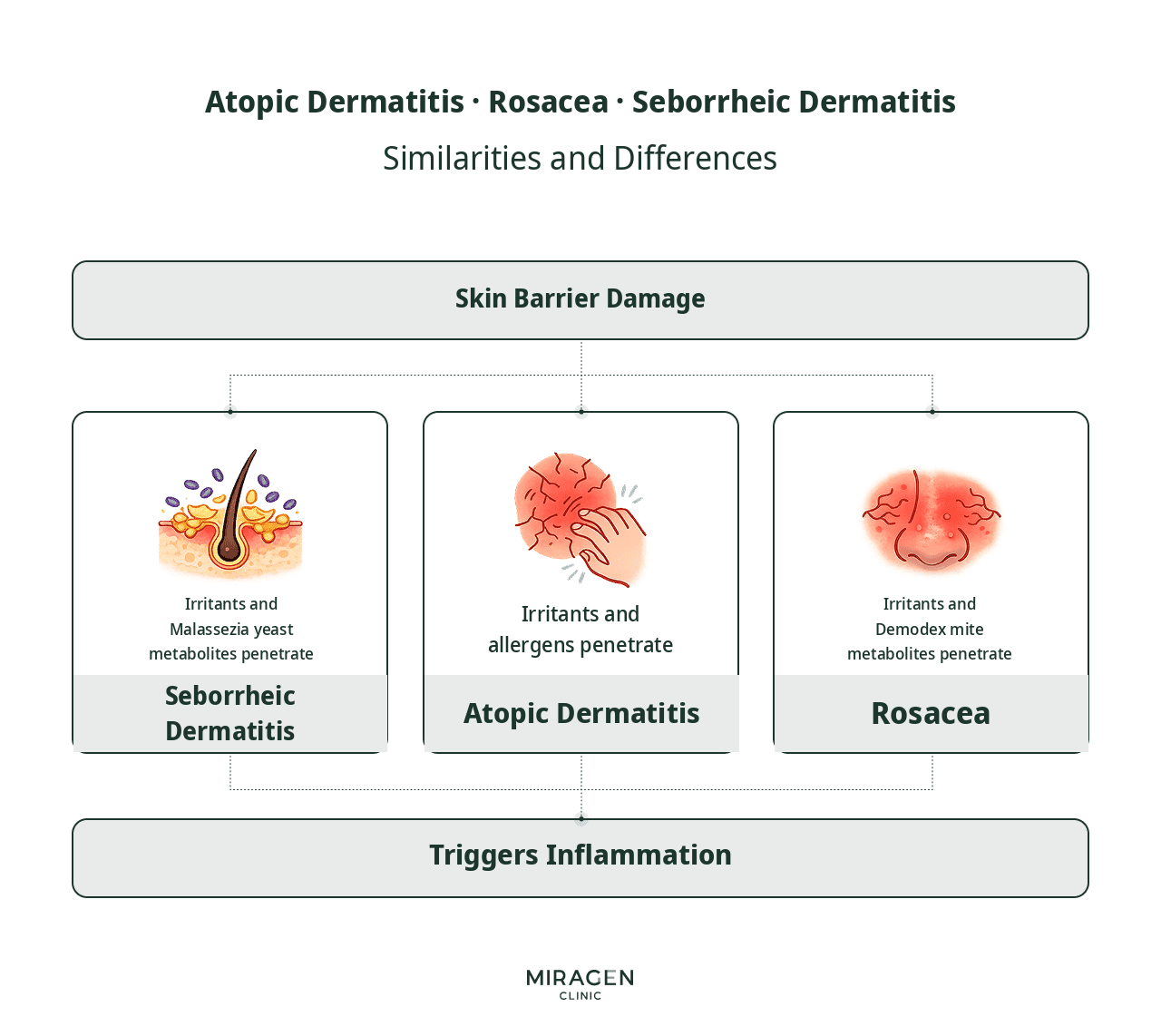
All three conditions share the commonality that the skin barrier is weak, making them prone to contact dermatitis even from daily irritants. In addition, each condition has its own unique aggravating factors.
- Seborrheic Dermatitis — Inflammation caused by the penetration of Malassezia fungal metabolites
- Atopic Dermatitis — Immune hypersensitivity reaction triggered by the penetration of allergens (dust mites, pollen, etc.).
- Rosacea — Vasodilation and inflammation caused by the penetration of Demodex mite metabolites
Since the fundamental cause is the same, the treatment principle of requiring barrier recovery is also shared. However, because the additional treatments tailored to each condition differ, an accurate diagnosis is crucial.
Detailed information on each condition can be found in the Atopic Dermatitis Guide and Rosacea Guide.
3. Symptoms and Common Areas
3.1 Common Areas
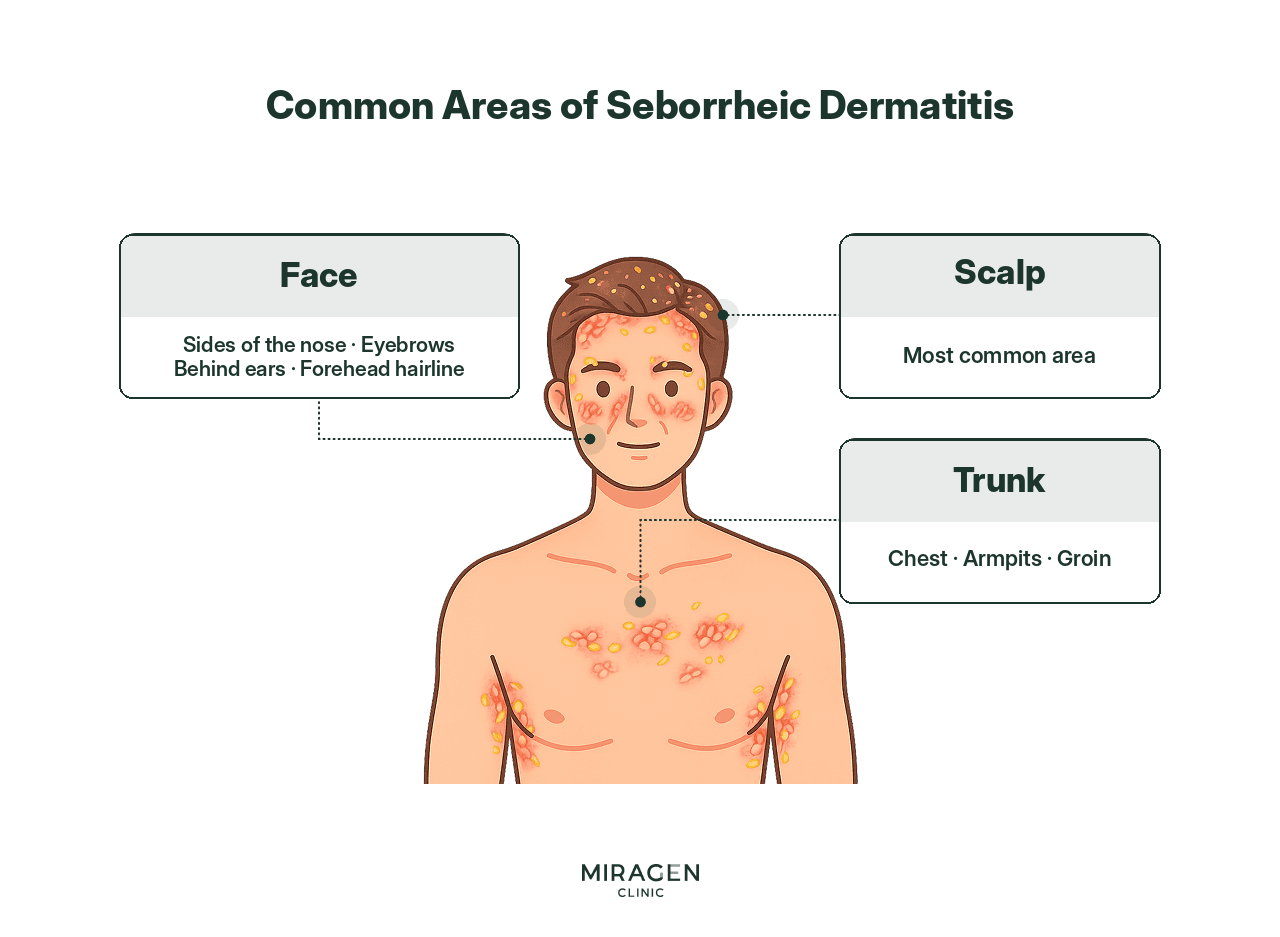
- Scalp: The most common area
- Face: Sides of the nose, eyebrows, behind the ears, and forehead hairline
- Trunk: Chest, armpits, and groin
3.2 Symptom Characteristics
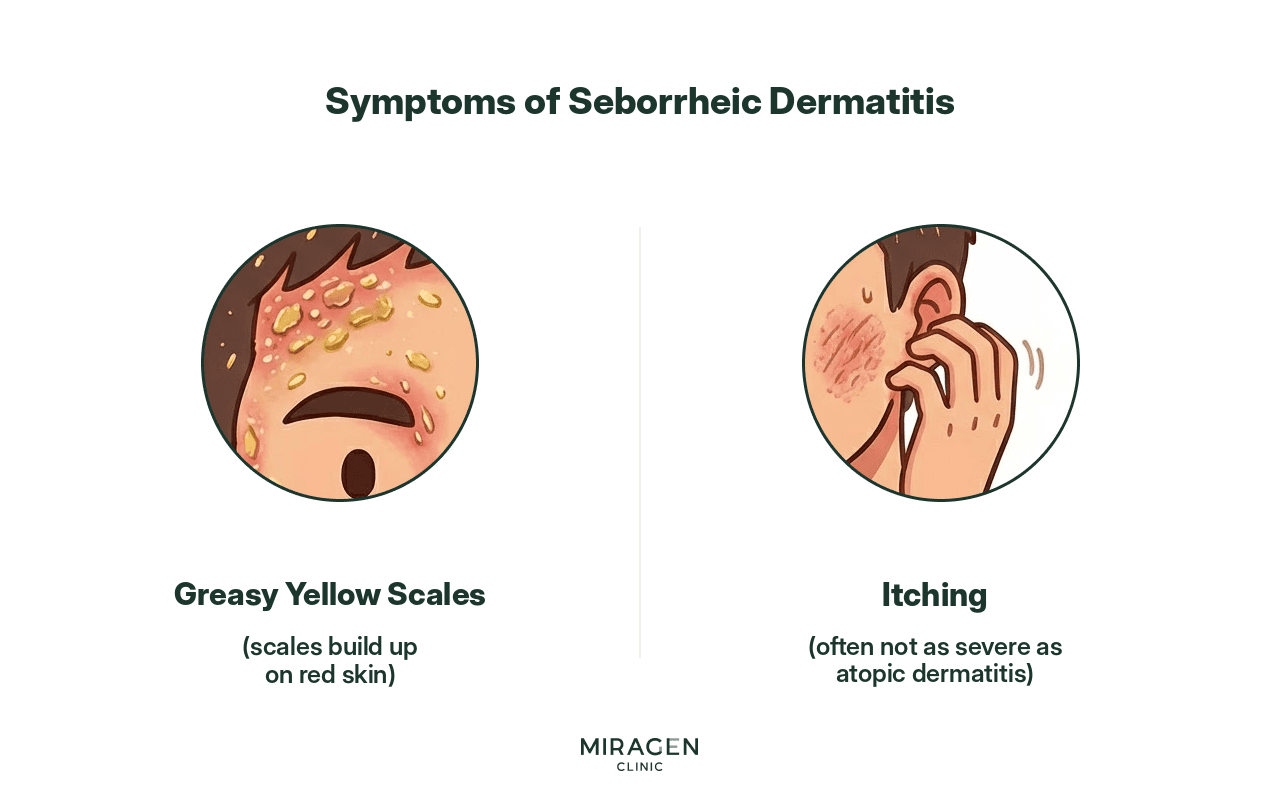
- Oily yellow scales accumulating on red skin
- Itching (often less severe than atopic dermatitis)
4. Steroid Ointments
Steroid ointments can suppress inflammation quickly and powerfully, but they can also weaken the skin barrier. Therefore, they must be used carefully, considering the potency grade, application area, and barrier condition.
In seborrheic dermatitis specifically, if local immunity is suppressed by steroids, it can create an environment where Malassezia thrives more easily. Rather than repetitive use, it is important to use them for a short period when inflammation is severe and then transition quickly.
Basic usage instructions and precautions for steroid ointments can be found in the Topical Steroid Guide, and a list of products by grade is available in the Steroid Ointment Grades article.
5. Protopic and Elidel
These are non-steroidal anti-inflammatory drugs that can be considered as alternatives to steroids. They do not weaken the skin barrier, making them useful for long-term management.4
However, when the skin barrier is weak, excessive absorption can lead to contact dermatitis; therefore, it is advisable to check sensitivity with a patch test before use.
Detailed information on the context and characteristics of each medication can be found in the Elidel Guide and Protopic Guide.
6. Moisturizers
Moisturizers support skin barrier function, reducing water evaporation and blocking external irritants. However, when the skin barrier is weak, moisturizer ingredients may be absorbed excessively and cause irritation, so finding a suitable moisturizer is crucial.5,6
If you suspect a moisturizer is causing irritation, it is helpful to stop moisturizing for about 3 days (zero-moisturizing). The principles and criteria for zero-moisturizing can be found in the Zero-Moisturizing Treatment article.
For more details on moisturizer selection criteria and MD creams, please refer to the MD Cream Guide.
Scalp Moisturizers
The scalp is difficult to apply creams or ointments to evenly and cannot be easily washed off, limiting treatment options. Using a scalp-specific moisturizer can help support barrier function and reduce the amount of steroid use.7
However, oily moisturizers can essentially provide food for Malassezia and worsen symptoms.2,8 For the scalp, lotion-type products with low oil content are suitable.
Please refer to the Zeroid MD article for information on scalp moisturizers.
7. Managing Irritants in Daily Life
7.1 Perfumes and Fragrances
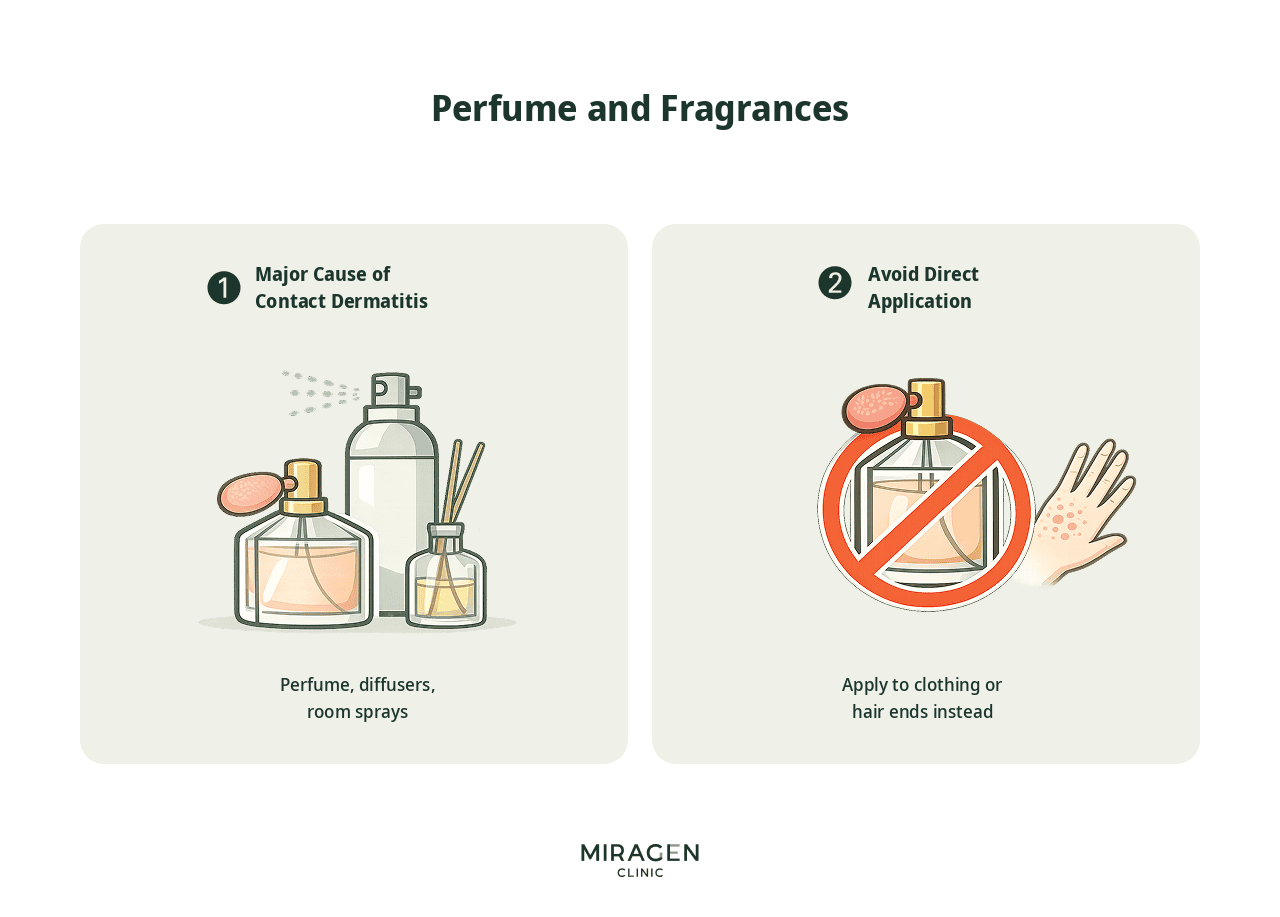
- A Major Culprit in Worsening Dermatitis: Perfume is one of the most common causes of allergic contact dermatitis.9 Not only perfumes but also airborne fragrance components from diffusers and room sprays can settle on the skin and cause irritation.
- No Direct Application: When the skin barrier is unstable, you must absolutely avoid spraying perfume directly onto the skin. If you want a scent, consider alternatives such as using a small amount on clothes or the ends of your hair instead of the skin.
7.2 Other Lifestyle Habits
- Minimize Cosmetics: It is recommended to refrain from using sunscreen or makeup until the skin barrier recovers. These can penetrate the skin and worsen inflammation.
- Proper Cleansing and Showering: It is important to wash away irritants on the skin. Wash your face and shower morning and evening, and wash immediately if exposed to external irritants like fine dust. However, harsh cleansers or hot water will further break down the barrier. If the barrier is significantly weakened, focus on washing with water and use lukewarm water.
- Watch your body temperature: High body temperatures from saunas or baths increase blood flow to the skin, which can worsen inflammation.
- Antifungal Cleansing: Use a ketoconazole cleanser (Nizoral) twice a week. Lather it like a cleanser on symptomatic areas—not just the scalp, but also the face and trunk—leave it for 3–5 minutes, and then rinse.
8. Our Clinic’s Treatment Policy
We prioritize the recovery of the skin barrier over simply suppressing inflammation.
To achieve this, we conduct delayed allergy tests (patch tests) and skin barrier function tests, provide guidance on lifestyle habits to reduce external irritation, and perform treatments to protect the skin barrier.
At the first visit
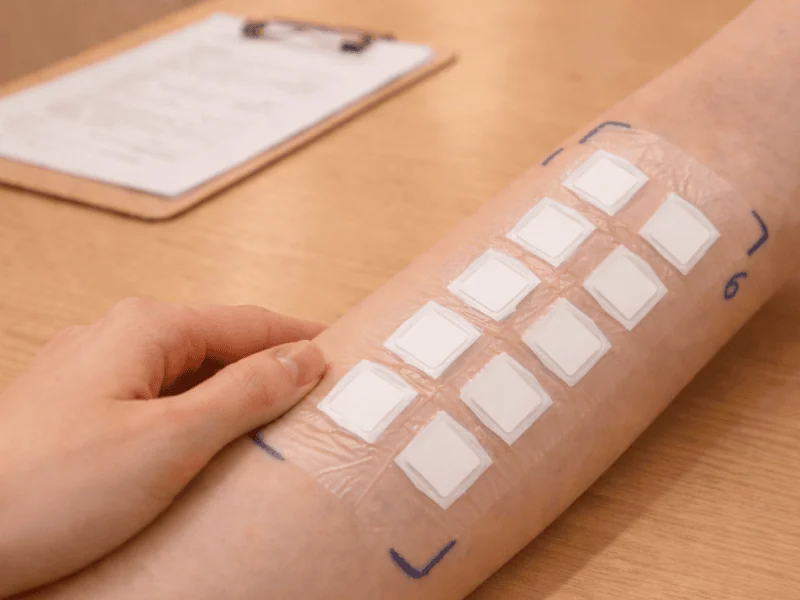
1. Delayed hypersensitivity test
Identifying sensitivity to Protopic, Elidel, and MD creams
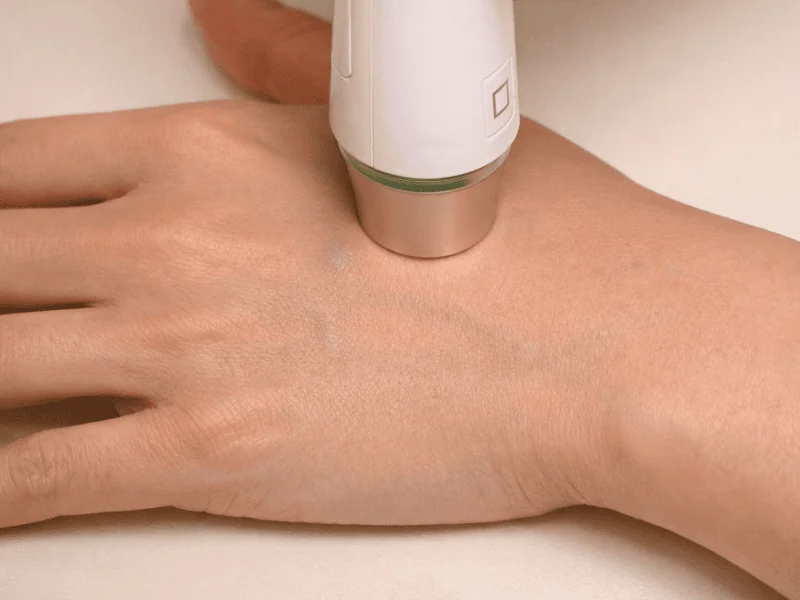
2. Skin barrier function test
Assess the extent of damage to the skin barrier that protects against external irritants
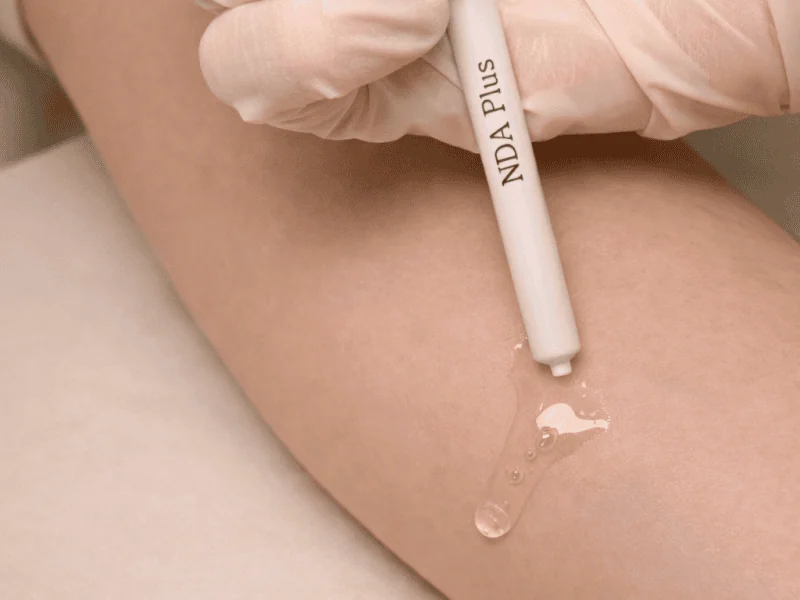
3. Skin barrier improvement
Protecting the skin barrier using wound dressings
At the second visit
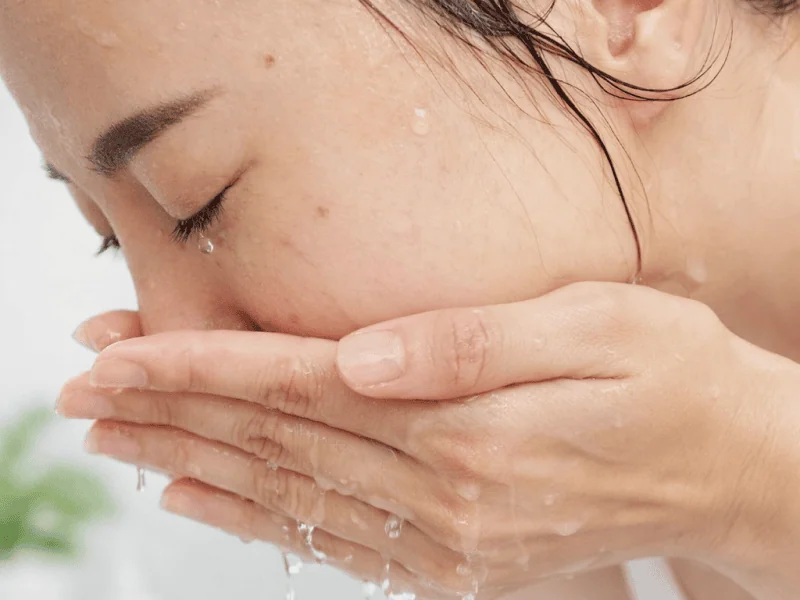
1. Lifestyle improvement guidance
Guidance on improving the living environment based on test results
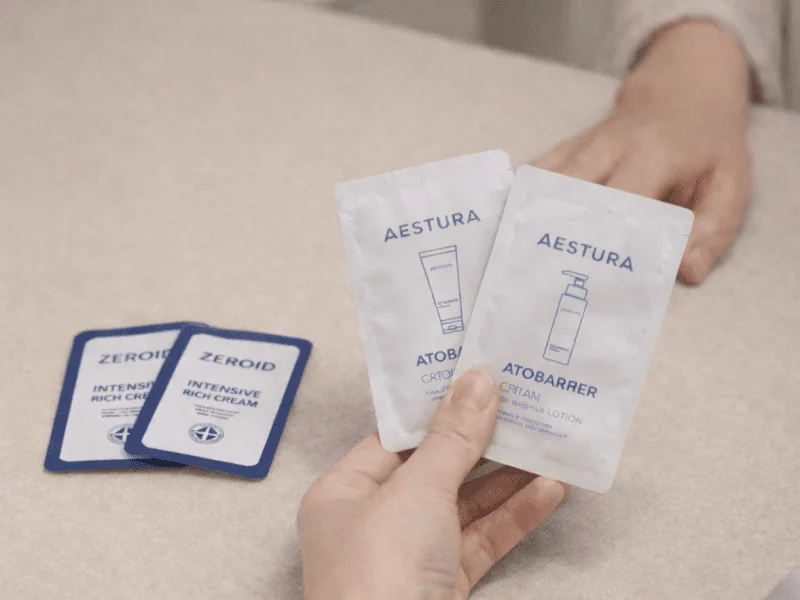
2. Provision of MD cream samples
Provide samples of MD creams that do not cause sensitivity
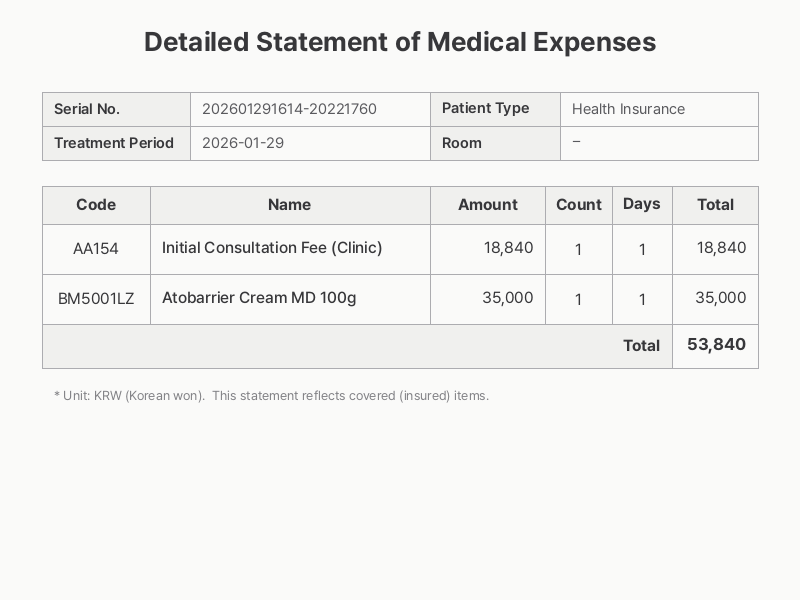
3. Ointment prescription
Controlling inflammation, Demodex, and fungi with non-sensitizing ointments as needed
4. Skin barrier improvement
Protect the skin barrier with a wound dressing material
Conclusion
Seborrheic dermatitis is not simply a “fungal infection.” Skin barrier damage is the fundamental cause, and Malassezia merely plays a role in worsening inflammation through its normal metabolic activities when the barrier is compromised.
Therefore, it is difficult to prevent recurrence with antifungal treatment alone. Our treatment goal is not temporary relief of seborrheic dermatitis symptoms, but the reconstruction of a sturdy ‘skin fortress’ that protects itself.
References
- Rousel J, Nădăban A, Saghari M, et al. Lesional skin of seborrheic dermatitis patients is characterized by skin barrier dysfunction and correlating alterations in the stratum corneum ceramide composition. Exp Dermatol. 2024;33(1):e14980.
- DeAngelis YM, Gemmer CM, Kaczvinsky JR, et al. Three etiologic facets of dandruff and seborrheic dermatitis: Malassezia fungi, sebaceous lipids, and individual sensitivity. J Investig Dermatol Symp Proc. 2005;10(3):295-297.
- Okokon EO, Verbeek JH, Ruotsalainen JH, et al. Topical antifungals for seborrhoeic dermatitis. Cochrane Database Syst Rev. 2015;(5):CD008138.
- Czarnecka-Operacz M, Jenerowicz D. Topical calcineurin inhibitors in the treatment of atopic dermatitis – an update on safety issues. J Dtsch Dermatol Ges. 2012;10(3):167-172.
- Cork MJ, Robinson DA, Vasilopoulos Y, et al. New perspectives on epidermal barrier dysfunction in atopic dermatitis: gene-environment interactions. J Allergy Clin Immunol. 2006;118(1):3-21; quiz 22-3.
- Rastogi S, Patel KR, Singam V, et al. Allergic contact dermatitis to personal care products and topical medications in adults with atopic dermatitis. J Am Acad Dermatol. 2018;79(6):1028-1033.e6.
- Takagi Y, Ning X, Takahashi A, et al. The efficacy of a pseudo-ceramide and eucalyptus extract containing lotion on dry scalp skin. Skin Pharmacol Physiol. 2018;31(4):218-226.
- Lee YW, Lee SY, Lee Y, et al. Evaluation of Expression of Lipases and Phospholipases of Malassezia restricta in Patients with Seborrheic Dermatitis. Ann Dermatol. 2013;25(3):310-4.
- Cheng J, Zug KA. Fragrance allergic contact dermatitis. Dermatitis. 2014;25(5):232-245.
Frequently Asked Questions
Can seborrheic dermatitis be completely cured?
As it is a chronic condition, consistent management is more important than a complete cure. By restoring the skin barrier and managing aggravating factors, you can significantly extend the periods spent without symptoms.
Is severe dandruff also seborrheic dermatitis?
Yes, seborrheic dermatitis of the scalp is the most common cause of dandruff. If your scalp is itchy and produces a lot of flakes, seborrheic dermatitis may be suspected.
If Malassezia is the cause, won’t using antifungals cure it?
Antifungals (such as ketoconazole) can help, but they are not enough on their own. Recent studies show that the amount of Malassezia in seborrheic dermatitis patients is not significantly different from healthy skin; the key is that the skin barrier has weakened, causing a hypersensitive reaction even to normal amounts of Malassezia metabolites. Therefore, barrier recovery is the fundamental part of treatment.
Does frequent face washing help?
Washing is important, but excessive washing actually damages the skin barrier. Washing gently twice a day, morning and evening, with a mild cleanser is appropriate. Avoid harsh scrubs or hot water.
Why does it get worse when I’m stressed?
When you are stressed, irritants are released from skin nerves, activating immune cells and hindering skin barrier recovery. Additionally, changes in lifestyle patterns that accompany stress, such as lack of sleep and dietary changes, also contribute to worsening the condition.
How do I distinguish it from atopic dermatitis or rosacea?
While skin barrier damage is the fundamental cause for all three conditions, the primary areas and patterns of appearance differ. Seborrheic dermatitis is characterized by oily scales appearing in areas with high sebum secretion (scalp, around the nose, eyebrows, behind the ears). An accurate diagnosis requires an examination by a medical professional.
Why does drinking alcohol make it worse?
Alcohol dilates skin blood vessels and increases the detoxification burden on the liver, raising the systemic inflammatory response. Furthermore, alcohol itself can irritate the skin barrier.

Ready to get back to your daily life?
Start now.
If you have indemnity insurance,
you can get started without 부담.
Resolve your questions first with a free consultation.


