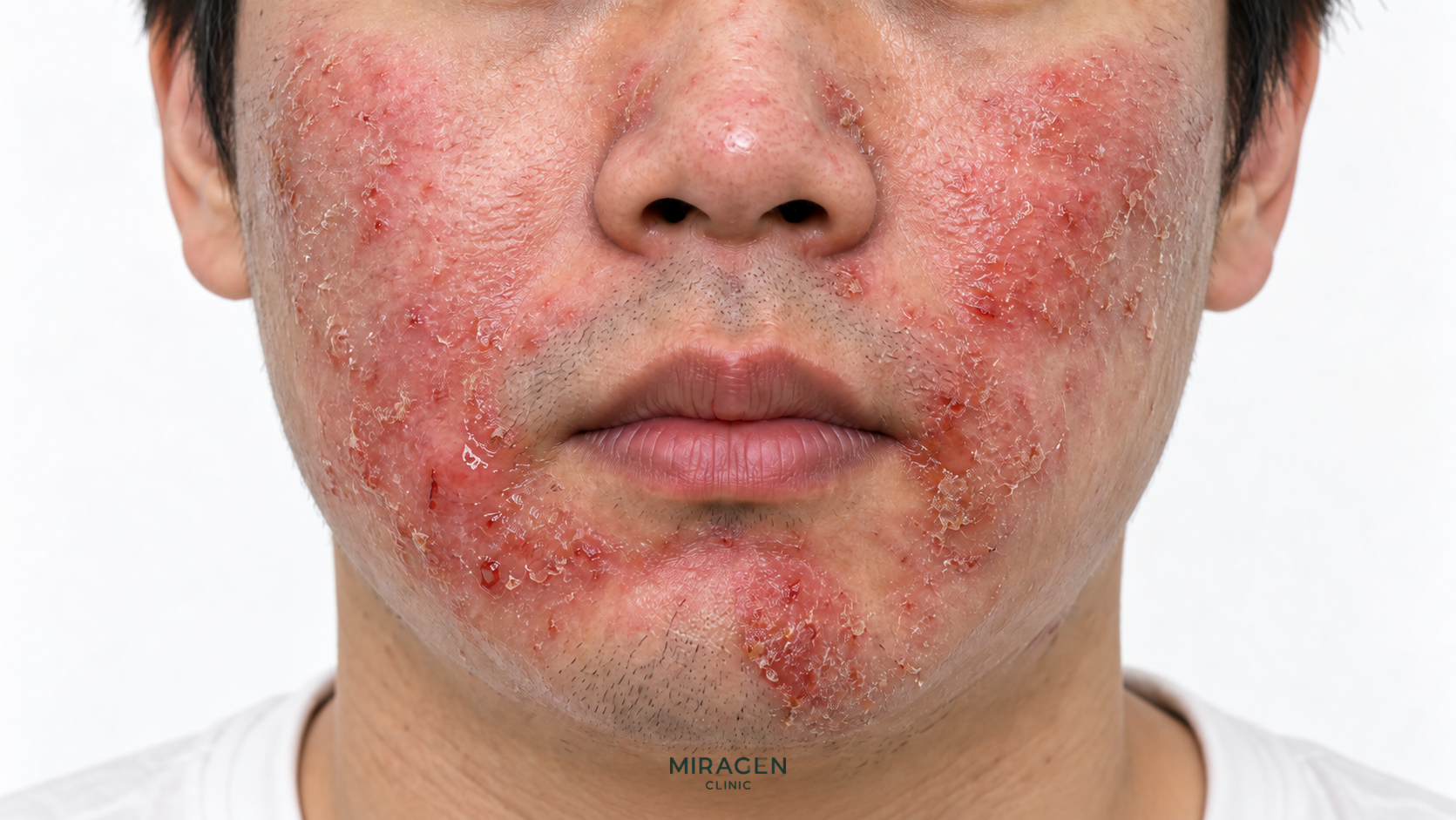
Among patients visiting for facial flushing, I often meet those who say they haven’t noticed much improvement despite receiving multiple Excel V treatments. Occasionally, some even report that their symptoms worsened after the procedure.
It is unfortunate to hear such accounts. Excel V results should normally become visible after just one session.
The same applies to Vbeam. However, since I use Excel V in my practice, I have written this based on Excel V. For a comparison between the two, please refer to this article.
Cases where Excel V results can be expected
Excel V is not a universal laser for all types of flushing. It is specifically effective for flushing accompanied by telangiectasia, and this is not just my personal opinion.
According to a 2002 study by Scottish researchers on the treatment of 232 vascular lesions, 42 out of 53 telangiectasia patients treated with a 532nm laser saw their lesions disappear or significantly improve. In contrast, two patients with generalized facial redness and minimal telangiectasia did not respond well to the treatment.1
A 2016 paper on brimonidine also suggests distinguishing between generalized facial redness and dilated vessels for treatment. It recommends vascular lasers for distinct telangiectasia, topical brimonidine for generalized redness with minimal telangiectasia, and a combination of both when both are prominent.2
My clinical experience is no different. Although I have been using Excel V for 10 years and across three generations of the device, it is very rare for it to be helpful for flushing without telangiectasia. Therefore, in such cases, even if patients specifically request Excel V, I do not recommend it.
You can determine if telangiectasia is present by looking closely in the mirror to see if there are visible capillaries within the flushed areas, as shown in the photo below.
If no capillaries are visible at all, you may not see improvement even after multiple Excel V sessions. In fact, the irritation from the laser can worsen the flushing; I see at least one such case every quarter.
However, it is often difficult to identify telangiectasia with the naked eye. In these cases, polarized dermoscopy, which was used to take the photo below, is helpful.
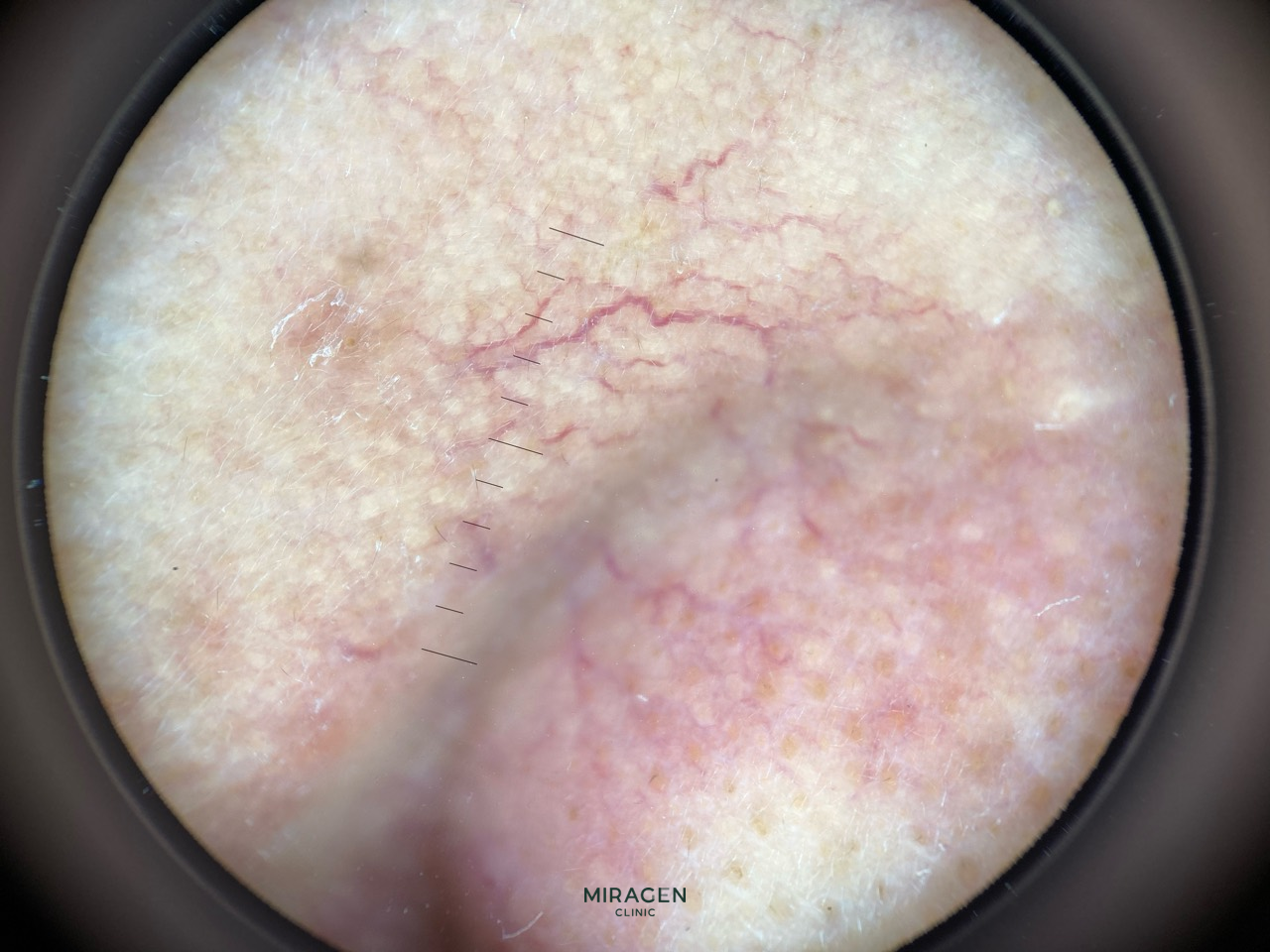
Visualizing small vessels is key to showing Excel V results
If telangiectasia is observed, delivering results becomes the responsibility of the performing clinician. The key is how well one can see the vessels.
During laser treatment, protective goggles must be worn for eye safety, but this makes it even harder to see vessels that were already difficult to spot with the naked eye.
This is where safety goggles with high visible light transmission (VLT) are beneficial. VLT refers to the amount of visible light that passes through the goggles.
VLT can vary by more than five times depending on the goggle model. The left side of the photo shows the goggles I currently use, while the right shows the ones I used previously.
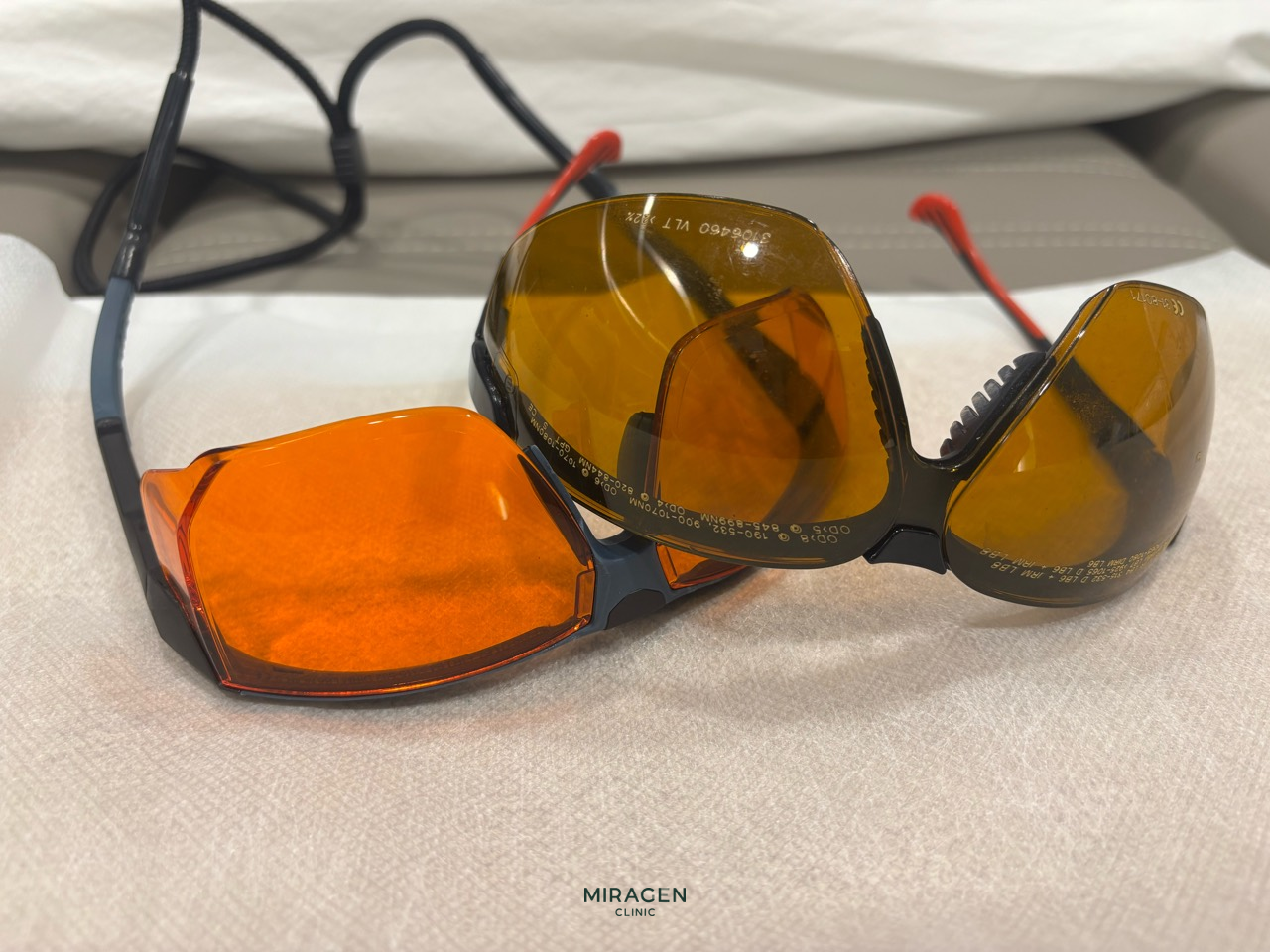
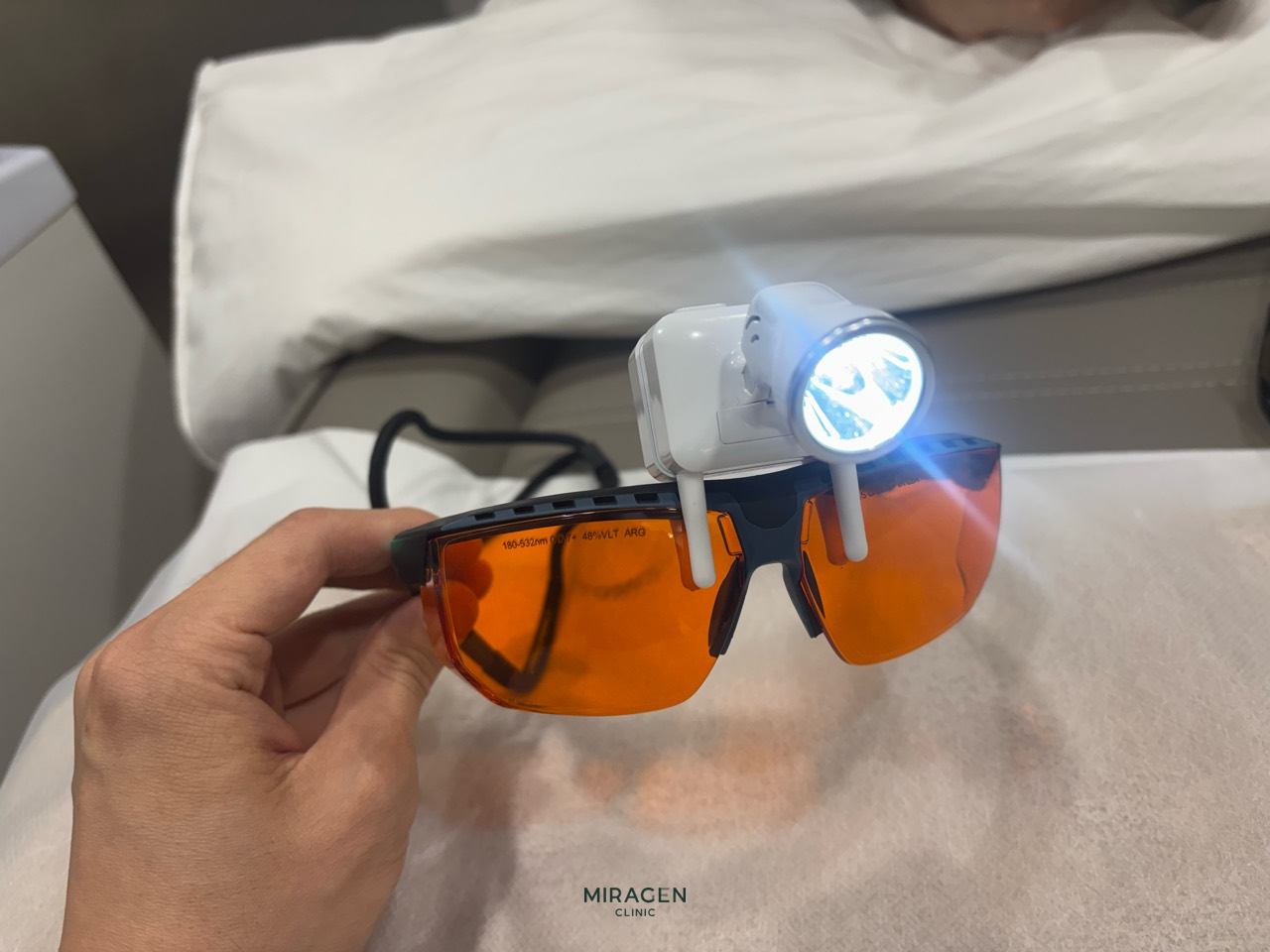
However, even goggles with high VLT are darker than the naked eye. The product I use has one of the highest VLT ratings at 48%, yet the light reaching the eyes is still reduced by about half.3
Therefore, I use a loupe light to brightly illuminate the treatment area. This increases the absolute amount of light entering through the goggles, allowing me to better observe small vessels and the changes occurring after each laser pulse.
Monitoring the laser’s effect on vessels during the procedure
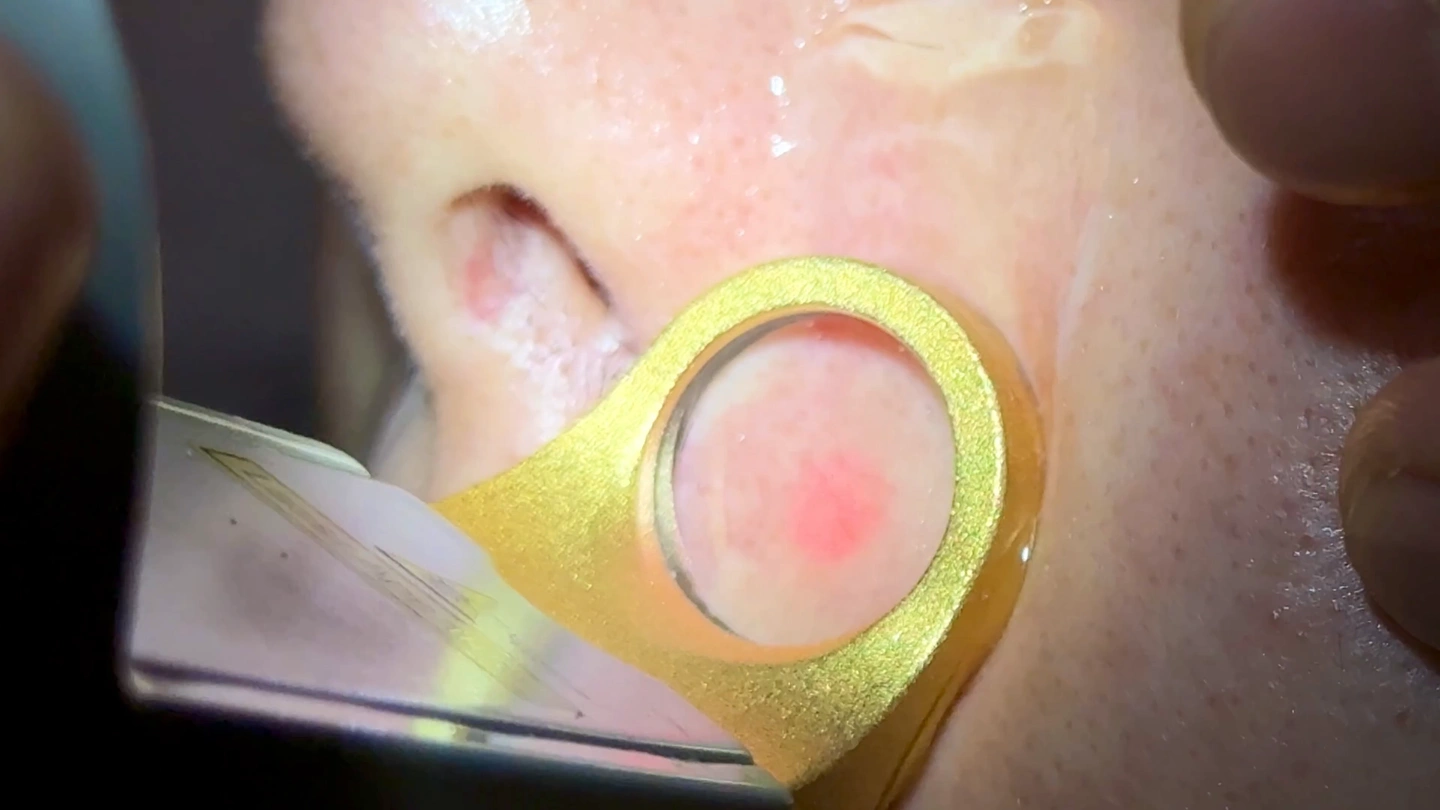
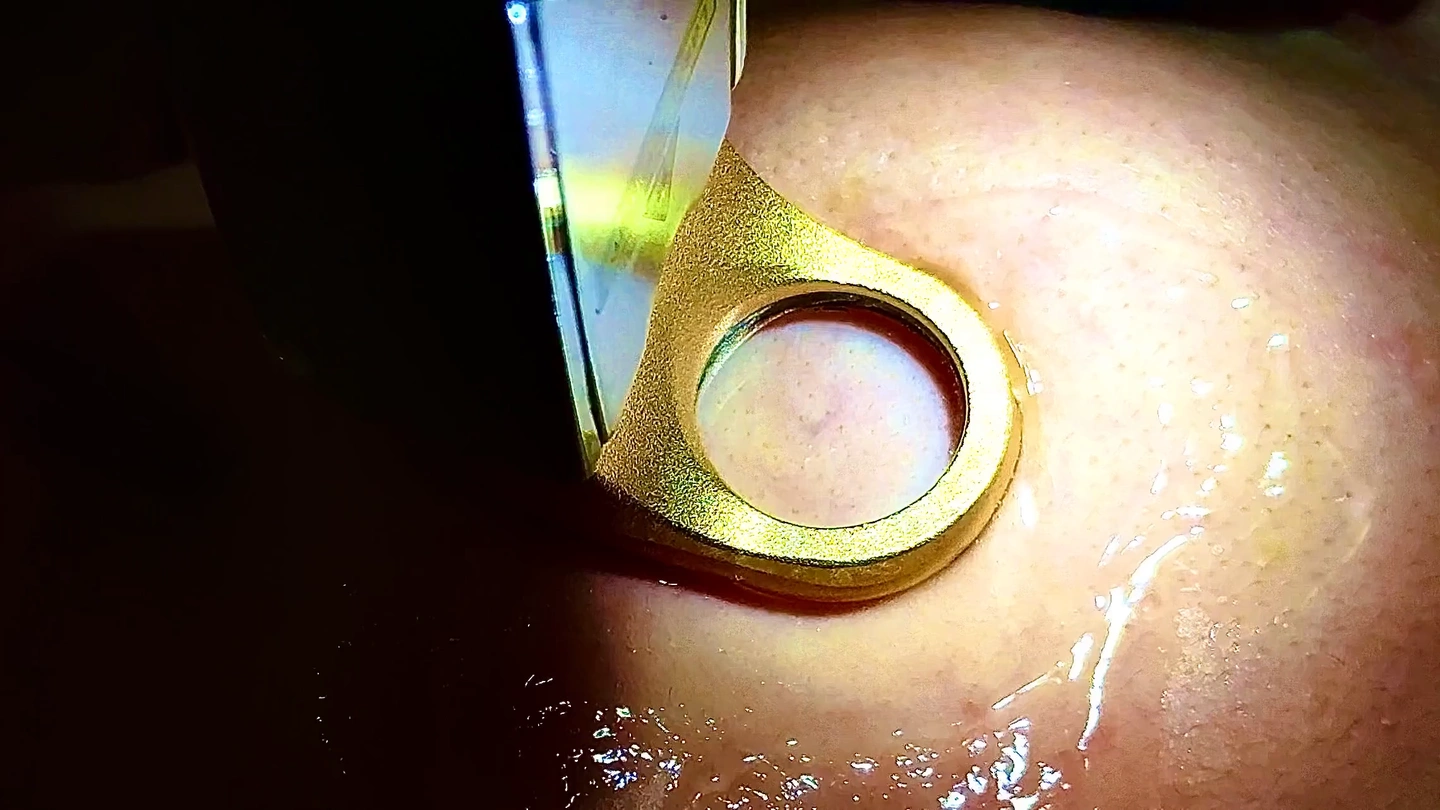
When the laser is applied correctly, you can see the vessels constrict in real-time, as shown in the video below. If a vessel does not disappear, the laser settings must be adjusted before firing again.
To confirm this reaction, one must keep their eyes open and watch the vessels even at the moment of firing. This is another reason why goggles that protect the eyes while maintaining vessel visibility are essential.
 Play video
The video could not be loaded. Open in a new tab
 Play video
The video could not be loaded. Open in a new tab
Excel V results are visible immediately after the procedure
In the comparison photos below, from left to right, you can see before the procedure, immediately after, and one day later. Although some flushing remains due to the heat generated during vessel constriction, the reduction in vessels can be observed immediately after the procedure.
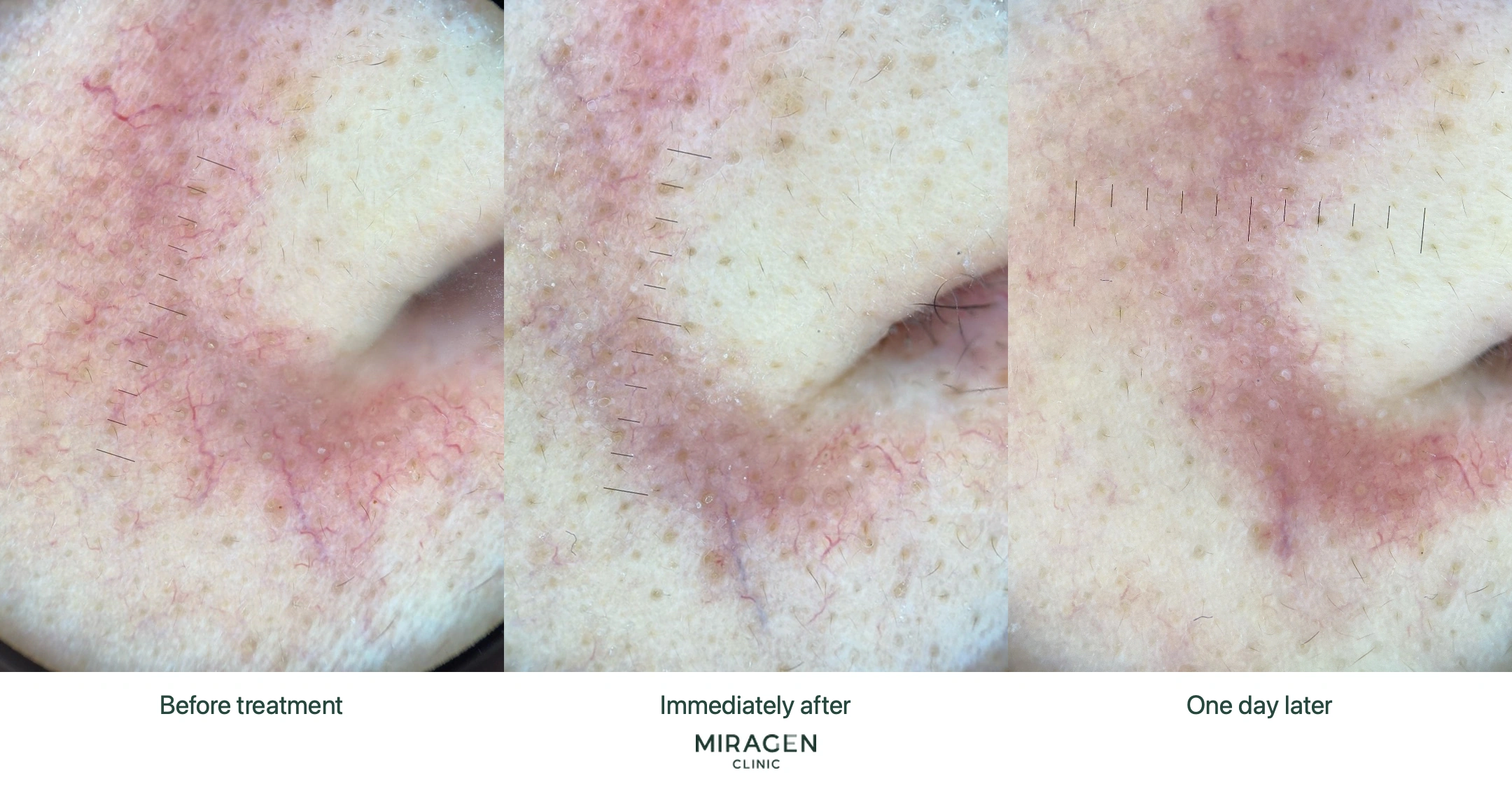
In my experience, most of the achievable results from Excel V appear within about three sessions. However, telangiectasia may gradually recur over time after treatment. In such cases, I recommend maintenance treatments every few months upon observing new vessels.
If you have received Excel V but felt no effect, please look closely in the mirror. If no telangiectasia is visible, further procedures may cause more harm than good.
If you do see telangiectasia but still haven’t noticed any change, it may be worth visiting another clinic for a second opinion.
Finally, Excel V is also highly effective for freckles. As with telangiectasia, it is normal to see clear changes from the first session, and most should disappear within three sessions. However, freckles can also recur.